Warning Signs Your Basement Remodel Needs Better Moisture Planning
Hidden Moisture Risks That Can Ruin Your Remodel
Moisture planning can make or break a finished basement or new bathroom. Water always looks for the easiest path, and if your remodel is not built to handle it, it will find its way into the places you care about most. In Maryland and the D.C. suburbs, we see a mix of humidity, heavy storms, and sudden temperature swings, so basements and bathrooms are under constant stress.
When moisture is not handled the right way, it usually does not show up as a dramatic flood first. It starts quietly. A little damp spot on the wall, a musty smell, paint that keeps peeling. Over time, that hidden moisture can eat away at finishes, slowly damage framing, and feed mold that affects indoor air quality.
Our goal here is to help you spot those early warning signs and understand when simple patching is not enough. If you know what to look for, you can bring in experienced remodeling contractors before small clues turn into big, expensive problems.
Basement Red Flags You Cannot Ignore
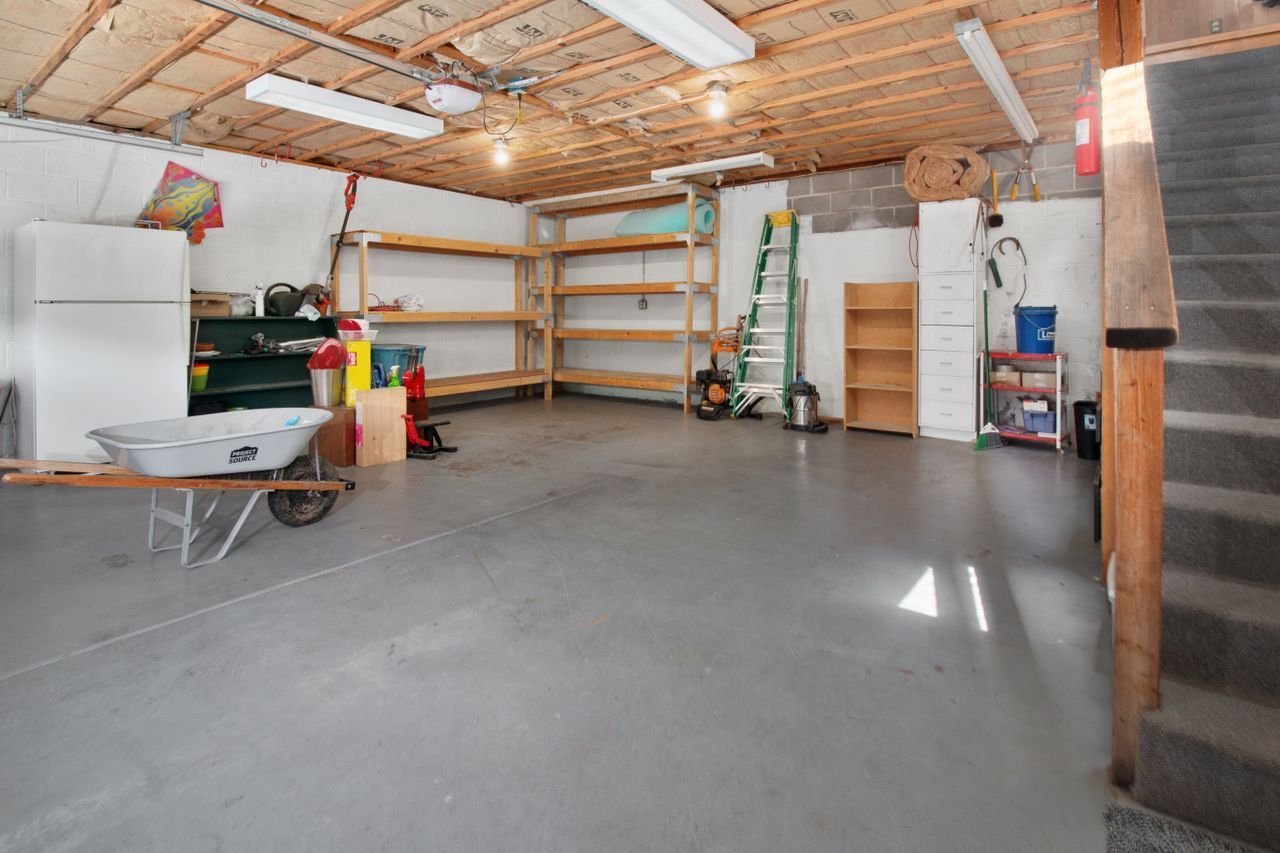
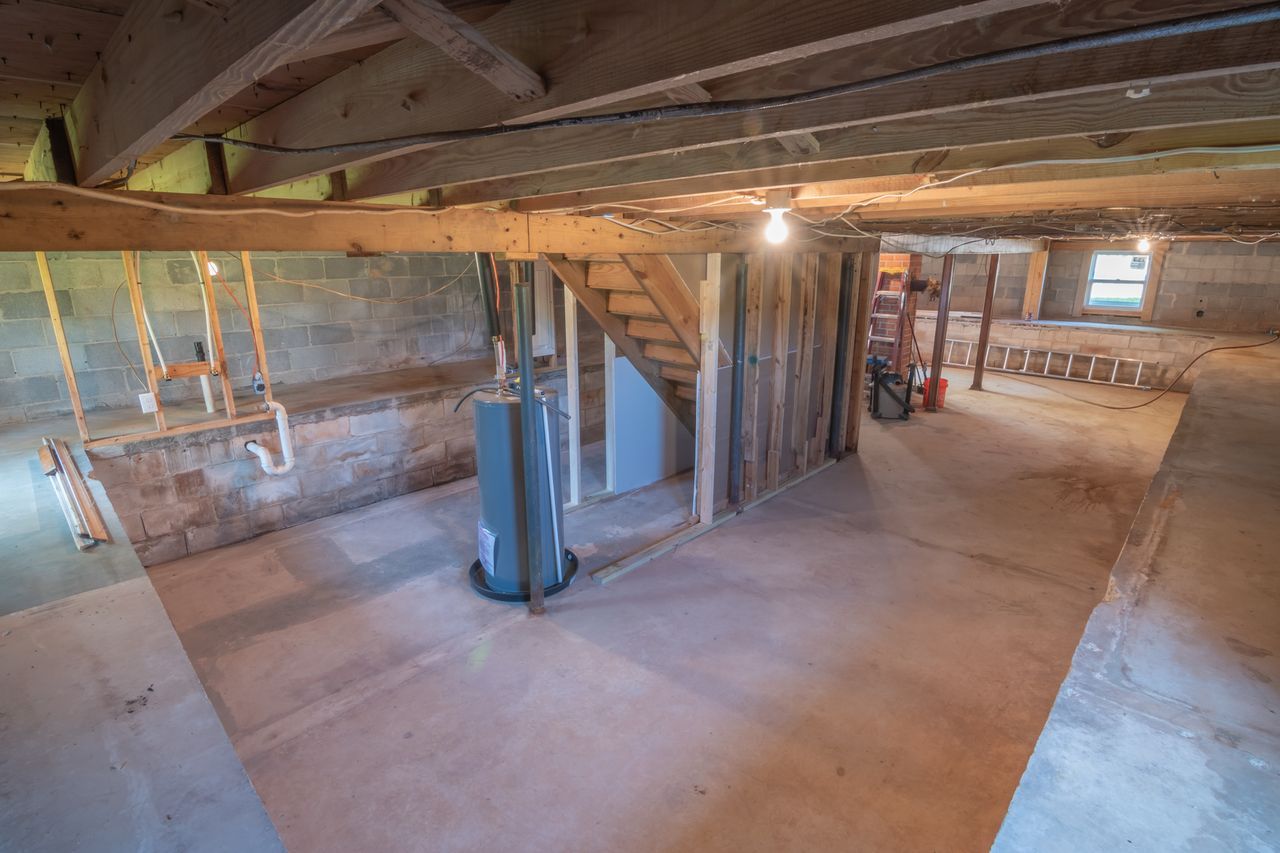
Basements sit below grade, so they are always in contact with cool concrete, wet soil, and changing air. When the moisture plan is weak or missing, the space will start to tell you.
Visible clues include:
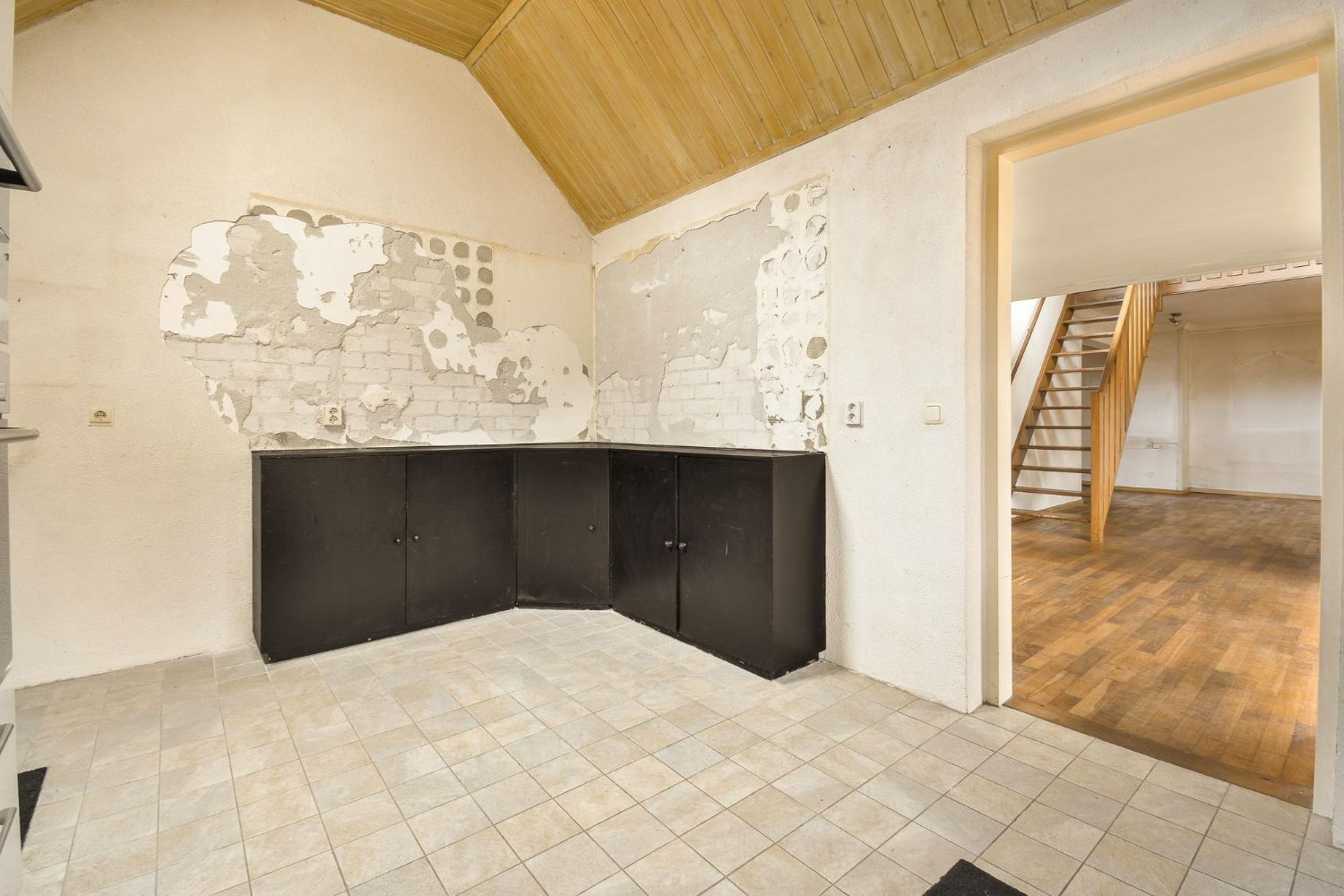
- Damp or dark spots on concrete floors or walls
- Efflorescence, the white, chalky powder on foundation walls
- Peeling or bubbling paint or sealer on masonry
- Rust on metal posts, fasteners, or bottom edges of steel doors
These signs usually mean that water or vapor is moving through the foundation. Painting over it will not stop the source.
Your nose and skin often pick up problems too. Pay attention if:
- The basement smells musty even after cleaning
- The air stays cool, clammy, and uncomfortable
- You see condensation on windows, metal ducts, or other cold surfaces
That cool, sticky feeling often comes from high humidity and vapor drive through walls and slabs. It is a warning that the space is not ready to be finished or is missing key protection.
Structural and finish damage is a clear signal that water is reaching materials behind the finished surfaces. Watch for:
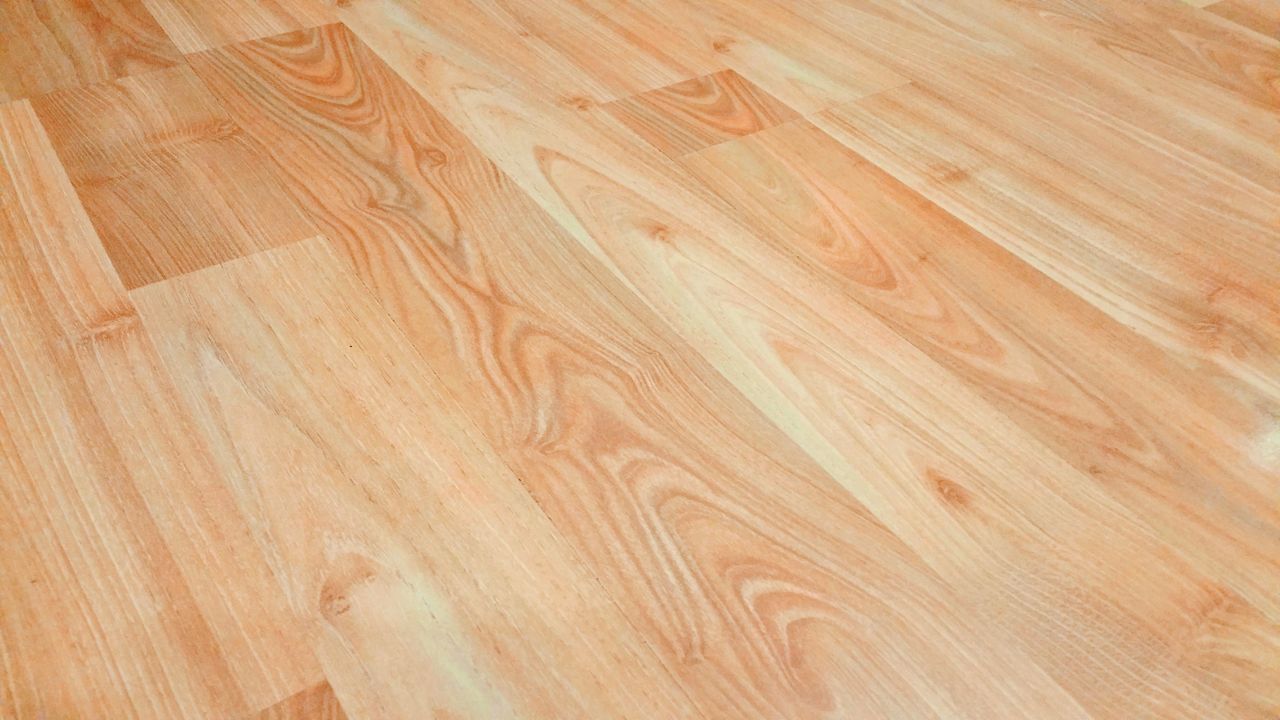
- Cupping, warping, or buckling of wood or laminate floors
- Baseboards pulling away from walls or starting to swell
- Sagging or stained ceiling drywall, especially below bathrooms or kitchens
- Recurring wall or ceiling stains in the same spots, even after repainting
When you see these, it usually means water is running or wicking behind the finished work. At that point, you need a professional evaluation, not just another coat of paint.
Bathroom Warning Signs of Poor Moisture Control
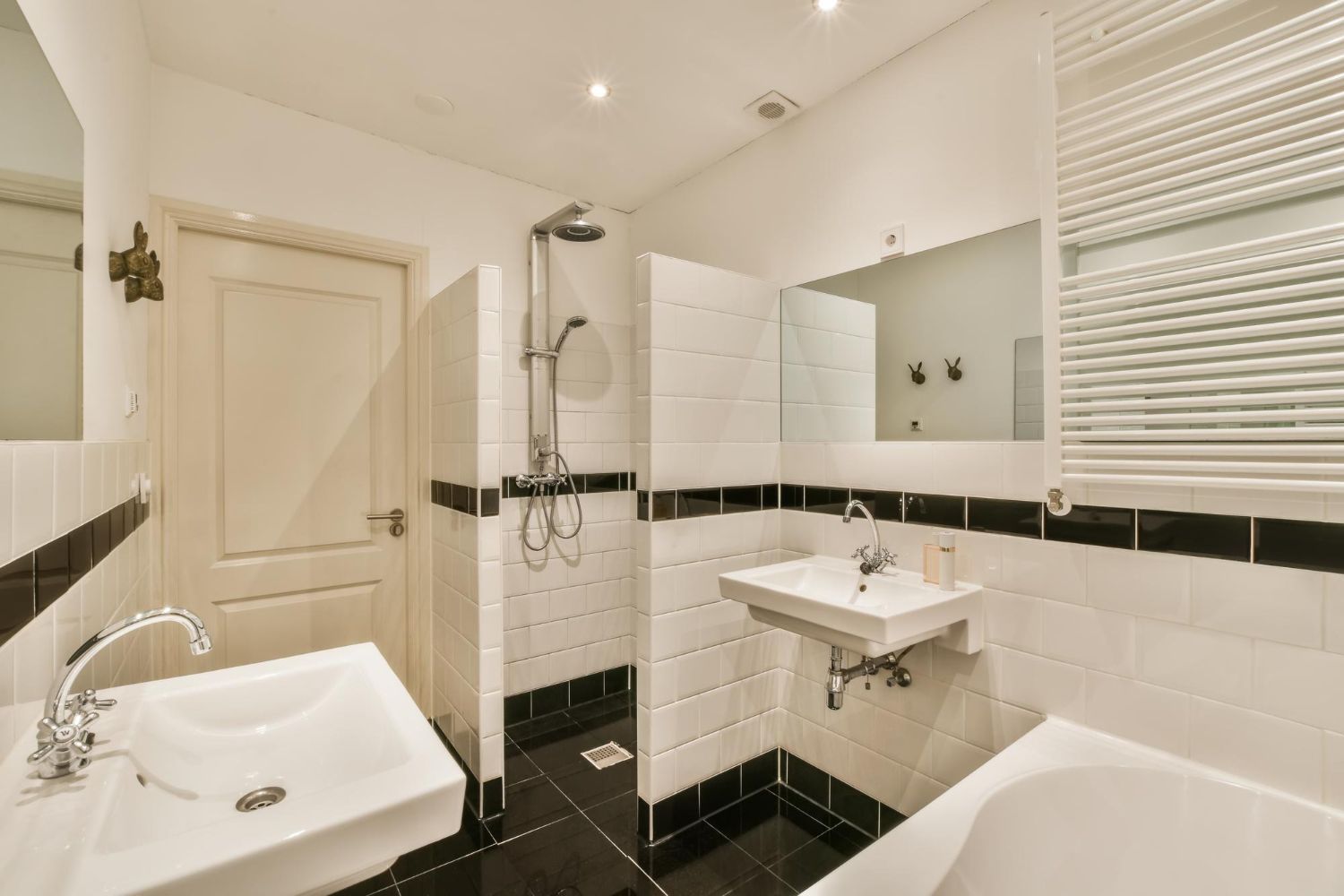
Bathrooms are small rooms with big amounts of water. Steam, splashes, and leaks all put pressure on surfaces and structure. If the space was not designed with moisture in mind, it will show.
One early warning sign is surfaces that never fully dry:
- Grout or caulk lines that stay dark long after a shower
- Corners of the tub or shower that feel damp all the time
- Paint that always looks slightly glossy or wet near the ceiling
These clues often mean that steam is hanging in the room or water is collecting in places it should not.
Persistent mold and mildew are another clear signal. If you keep cleaning but it keeps coming back:
- On ceilings, even away from the shower
- Around vents or fan covers
- In shower corners and along glass tracks
This suggests that the fan is not strong enough, not used long enough, not ducted correctly, or that there are deeper issues with insulation and vapor control behind the tile and drywall.
Hardware and fixtures will also tell you when moisture is trapped:
- Early rust or pitting on hinges, fan grilles, or faucet bases
- Swelling or soft spots on cabinet doors and drawer fronts
- Soft drywall around towel bars, toilet paper holders, or baseboards
These are signs that water is soaking into materials instead of being directed out of the room.
Moisture Planning Essentials for a Healthy Basement
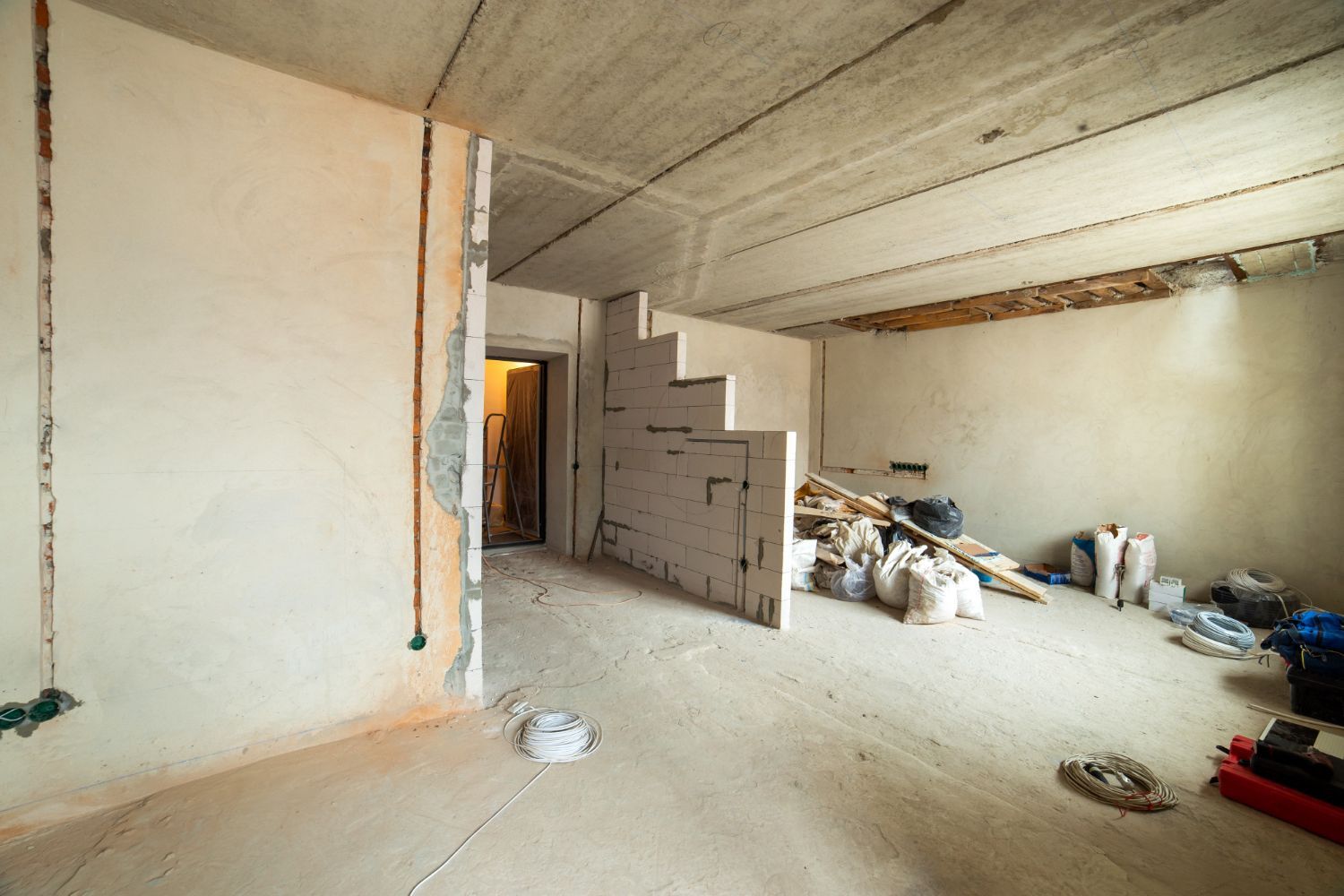
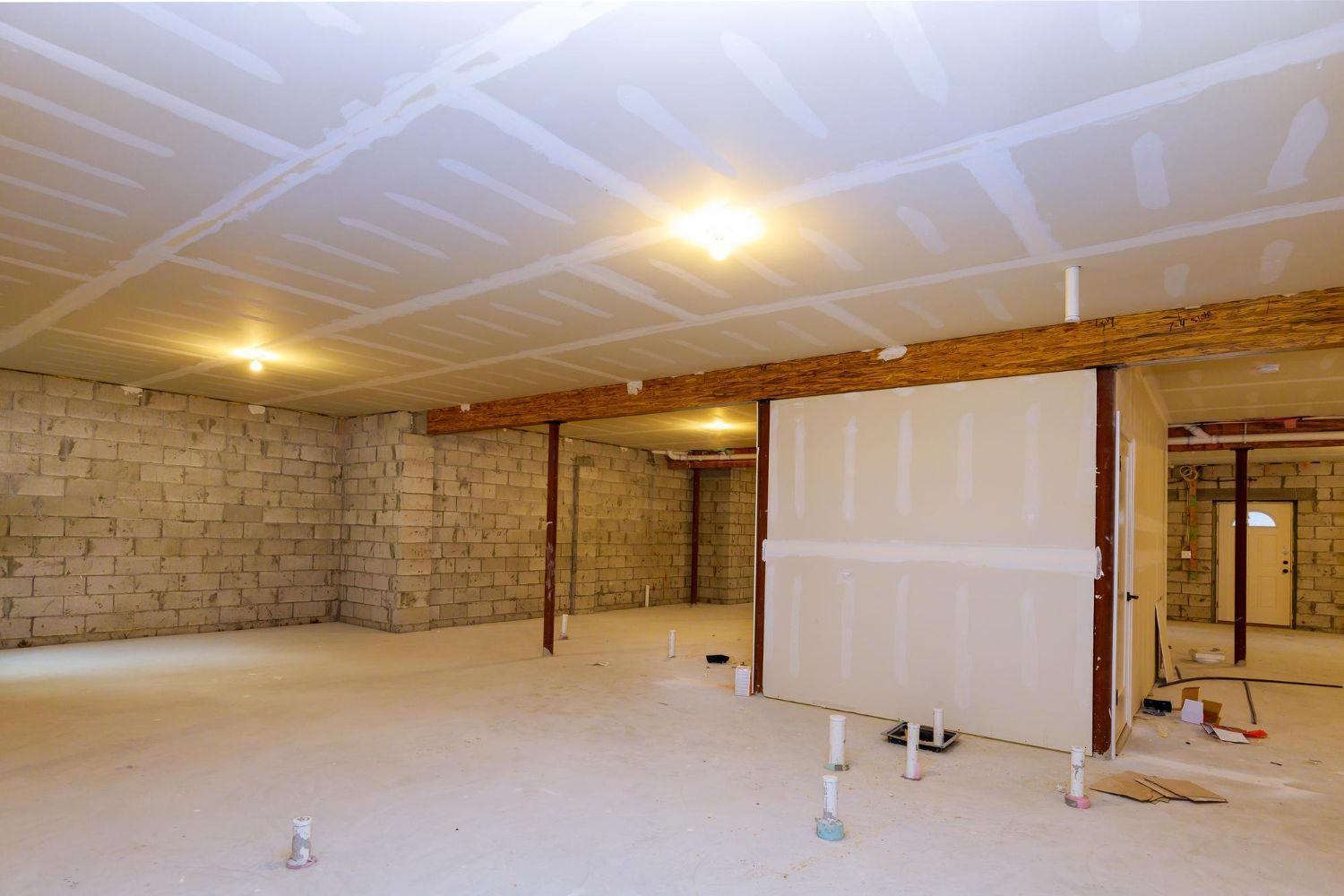
A healthy basement starts outside. Before you think about flooring or wall colors, you need a plan for how water will move around and under your home.
On the exterior and at the foundation, key steps include:
- Proper grading so soil slopes away from the house
- Gutters that are clean and appropriately sized
- Downspouts that discharge well away from the foundation
- When needed, French drains or sump pump systems to control groundwater
Inside, you want a layered defense. That means treating the foundation as the base of a system, not just a surface to cover. Interior protection usually includes:
- Modern vapor barriers on the correct side of the wall, installed in the right order
- Framed walls that are spaced off the concrete, not pressed tight against it
- Insulation that can handle contact with cool foundation surfaces
- Sealed penetrations around pipes, wires, and ducts
- Subfloor systems that lift finished flooring off the cold slab
Humidity control is the final piece. Smart dehumidification and HVAC planning can keep the whole level comfortable. Good design might involve:
- Dedicated dehumidifiers placed where air can circulate freely
- Connecting the basement to the home’s HVAC so temperatures and humidity stay stable
- Ducting and returns that move air through all rooms, not just the main open area
Bathroom Design Choices That Keep Moisture in Check
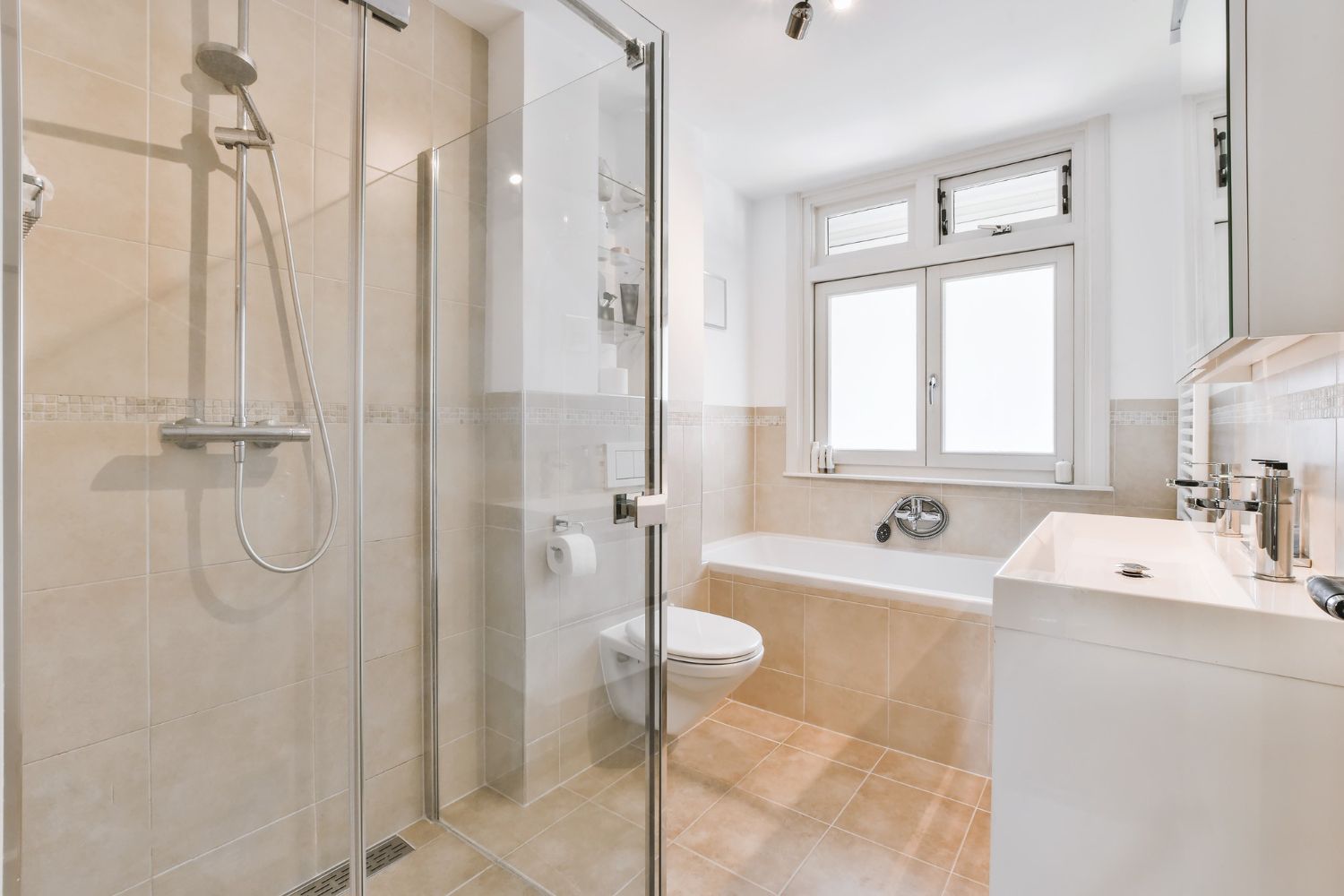
Bathroom moisture planning lives in the details. A good design uses the right fan, the right materials, and a layout that sends water straight to the drain.
Ventilation has to actually work, not just look good on paper. That means:
- Fans sized for the room, with enough power to pull out steam
- Quiet models so people will actually use them
- Timers or humidity sensors so the fan runs long enough after a shower
- Ducts that run to the exterior, with minimal bends, so moist air does not leak into ceilings or attics
Material choices make a huge difference in how the bathroom ages. Common recommendations include:
- Porcelain or ceramic tile for floors and shower walls
- Cement board as a backer in wet areas instead of standard drywall
- Solid-surface or well-detailed surrounds that reduce grout lines
- High-quality, moisture-resistant primers and paints on walls and ceilings
Thoughtful layout and details keep water where it belongs. Smart design includes:
- Shower placement that keeps sprays away from doors and openings
- Glass enclosures sized and sealed to limit splashing
- Proper slope on shower floors so water does not sit or run to corners
- Niches and benches that are waterproofed and pitched slightly toward the drain
Protecting Both Spaces for the Long Term
At some point, moisture problems move beyond what a homeowner can safely handle alone. When you see basement wall staining that keeps returning, floors that are starting to warp, or bathroom mold that comes back no matter how often you clean, it is time for a professional moisture assessment and a full design plan, not another round of patching.
Careful planning for both basements and bathrooms, inside and out, from structure to finishes, helps keep remodeled spaces healthy, comfortable, and durable for years.
Get Started With Your Project Today
If you are ready to turn your unused or outdated basement into a functional, welcoming space, our team at Bathroom Remodeling of Maryland, Inc. is here to help. As trusted
basement remodeling contractors in Gaithersburg, we listen carefully to your goals and create a plan that fits your home, timeline, and budget. Tell us about your ideas, and we will guide you through design options, materials, and scheduling so you know exactly what to expect. To schedule a consultation or ask questions, simply
contact us and we will follow up promptly.