When Basement Bathrooms Make Sense in Maryland Home Remodels
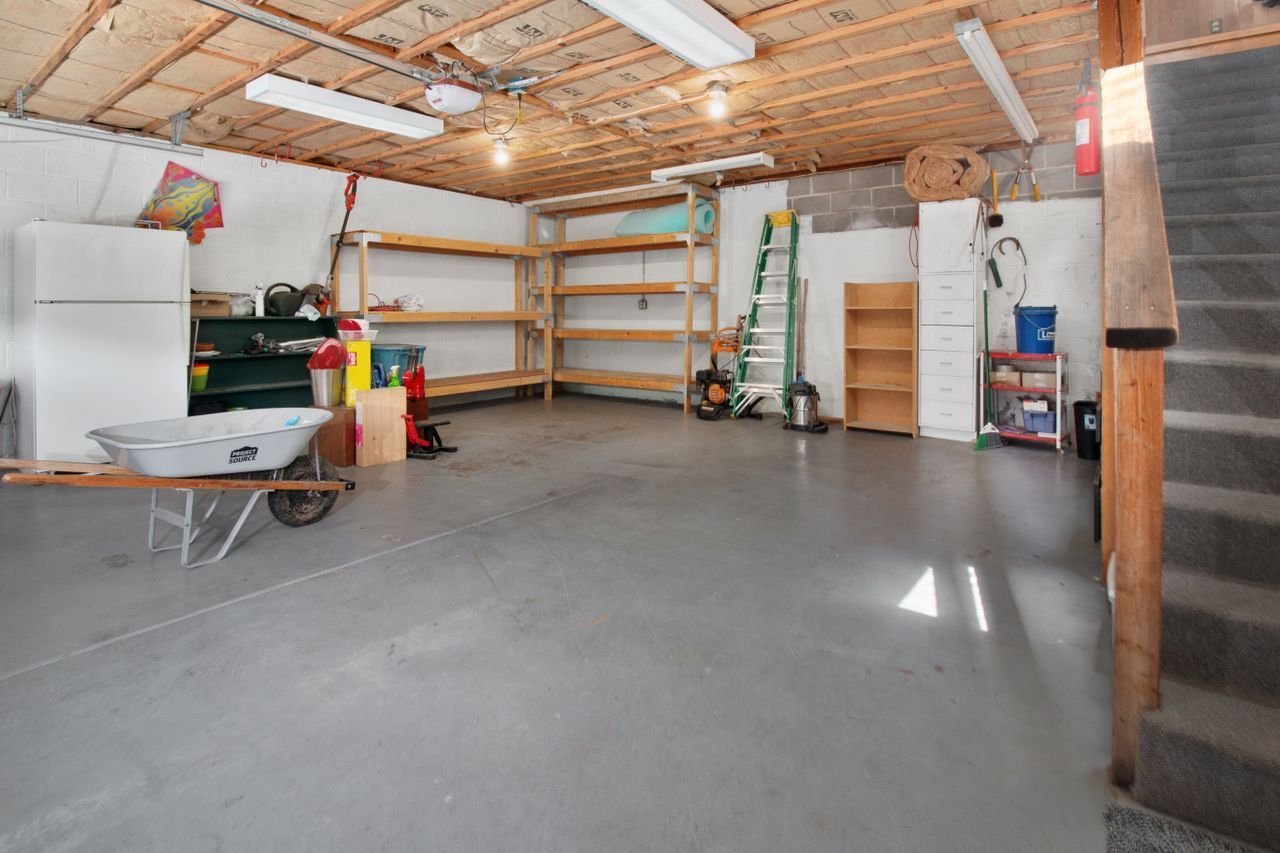
Basement: Turning Lower-Level Space Into Livable Area
Adding finished space to a basement can turn dead space into a real part of your home. When it is planned well, that lower level can work like any other floor, not just a place for storage and laundry.
For a basement remodel in Bethesda or other Maryland suburbs, timing and layout matter. In some neighborhoods, a fully finished lower level fits right in with local homes and resale expectations. In others, adding too much finished space can feel like overbuilding for the area. The key is matching the size and finish level of the lower level to the way homes around you are used and sold.
As a design and remodeling team that works across Maryland and the DC suburbs, we pay close attention to local codes, soil conditions, moisture issues, and typical resale plans. In this guide, we will walk through when finishing a basement makes sense, how to plan the space, what building and code rules can affect the design, and the smart choices that keep the area dry, bright, and comfortable for years.
Bathroom: When a Lower-Level Bath Makes Sense
Not every lower level needs a bathroom. The best time to add one is when the space will be used every day, or often enough that trips upstairs become annoying.
A basement bathroom is usually worth it when you are creating things like:
- A guest suite or private bedroom
- An in-law or long-term stay space
- A teen hangout or game area
- A home gym with space to shower
- A media or movie room for big gatherings
In these cases, a nearby bathroom adds privacy and comfort. Guests do not have to walk through the whole house at night, and family members can spread out without relying on a single hall bath.
Basement: Layout, Headroom, Light, and Moisture
Basement layout plays a big role in how well the space works. Key planning points include:
- How close new rooms can sit to existing plumbing stacks and mechanical systems
- Where beams, ductwork, and low soffits might affect headroom
- Where there is natural light from windows or a walk-out area
Good headroom throughout the lower level is important so the space feels safe and easy to move in. Keeping main circulation paths away from areas with lower soffits or bulkheads can help.
Maryland soil and water conditions are a big factor too. Some basements are in areas with higher water tables or more frequent heavy rain. Many homes have sump pumps, French drains, or other systems already in place. Before framing walls or picking finishes, it helps to evaluate:
- Existing or needed waterproofing on walls and floors
- Current or potential drainage paths
- Signs of past leaks, damp spots, or musty smells
Planning for moisture early helps keep the finished basement from becoming a problem area later.
Bathroom: Design Choices That Work Below Grade
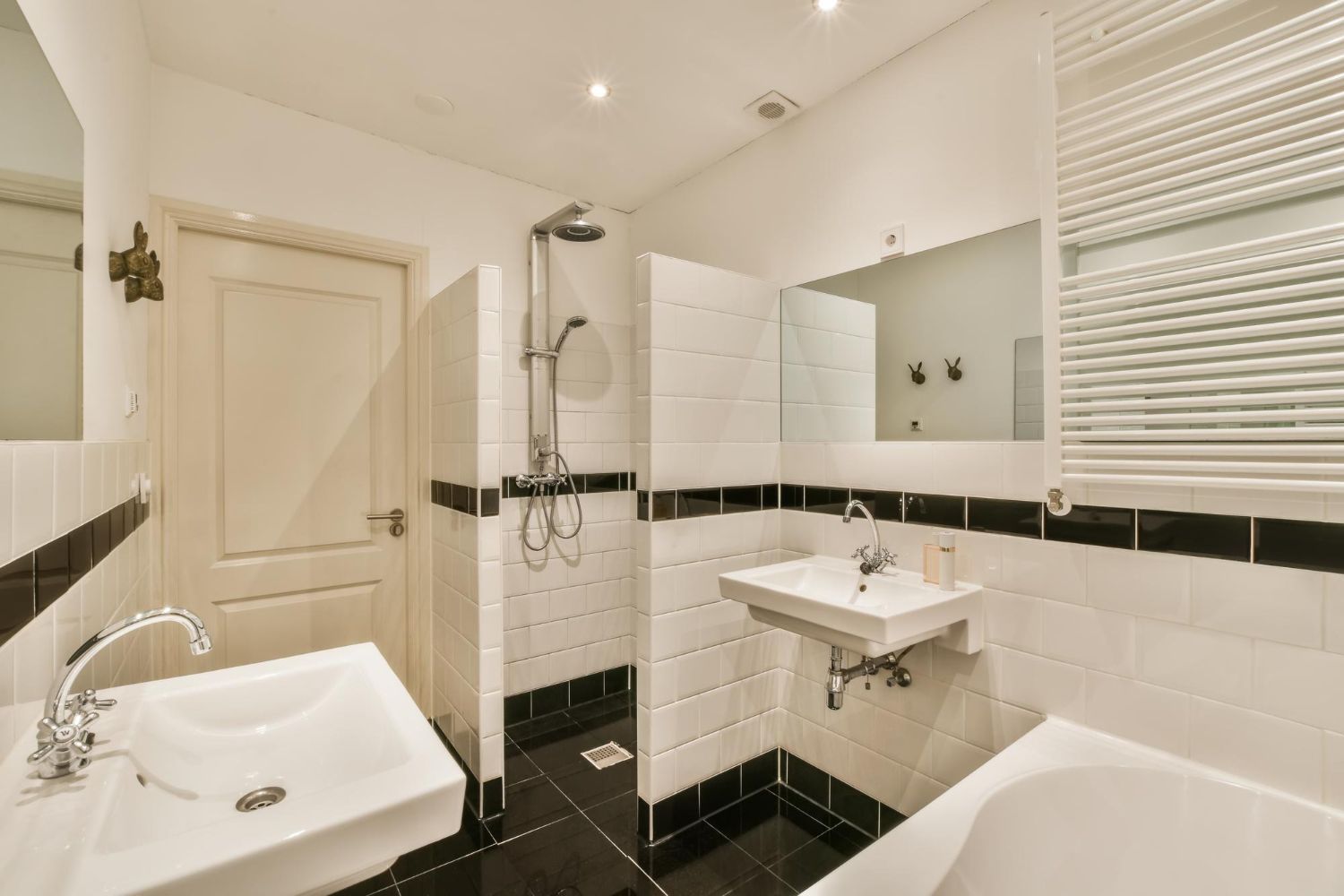
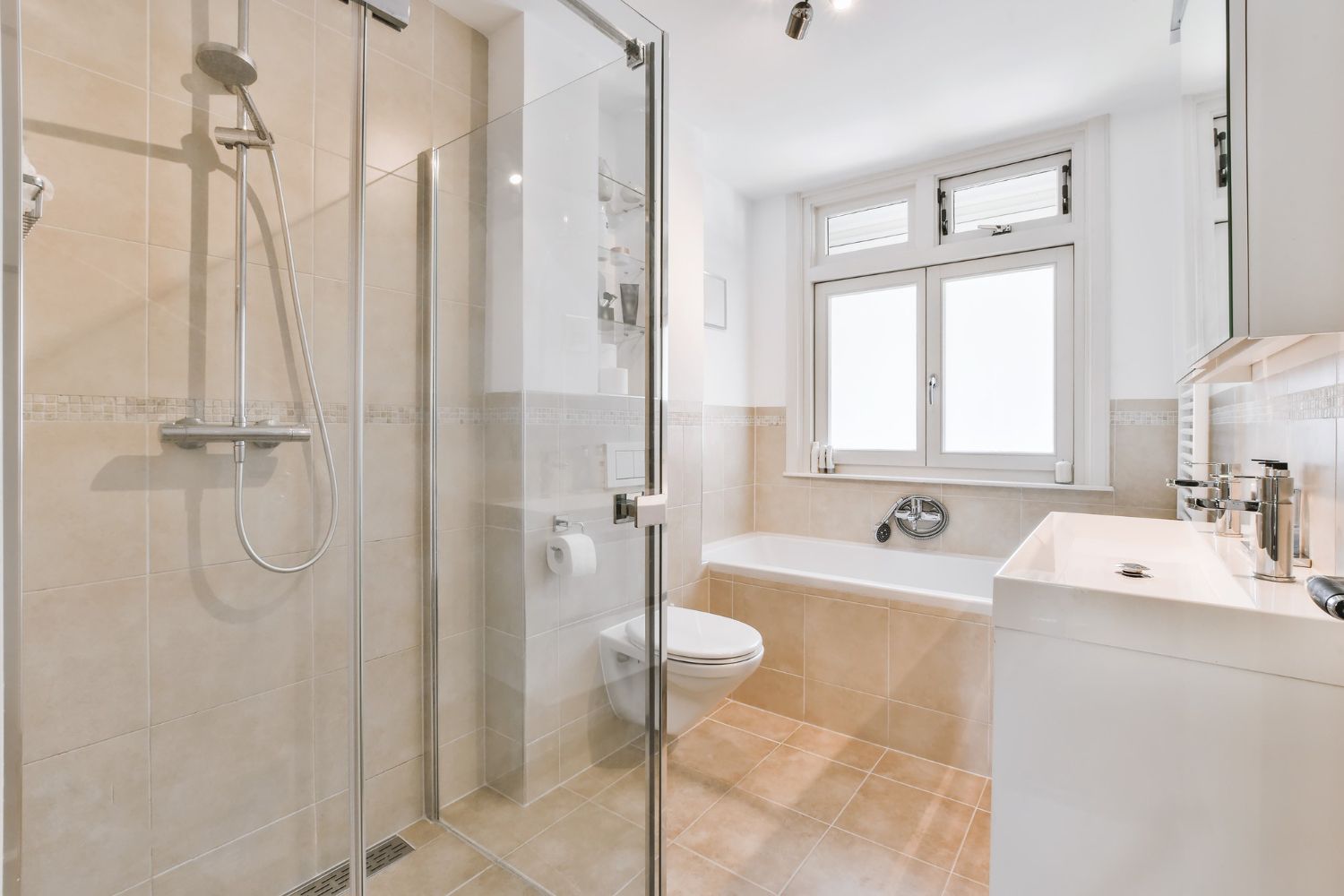
Bathroom spaces below grade need a little extra design care so they do not feel dark or cramped. Even a small footprint can feel open with the right choices.
Lighting is one of the biggest pieces. Useful strategies include:
- Recessed ceiling lights for even brightness
- A light over or beside the mirror for clear grooming light
- A warm color temperature that feels cozy, not harsh
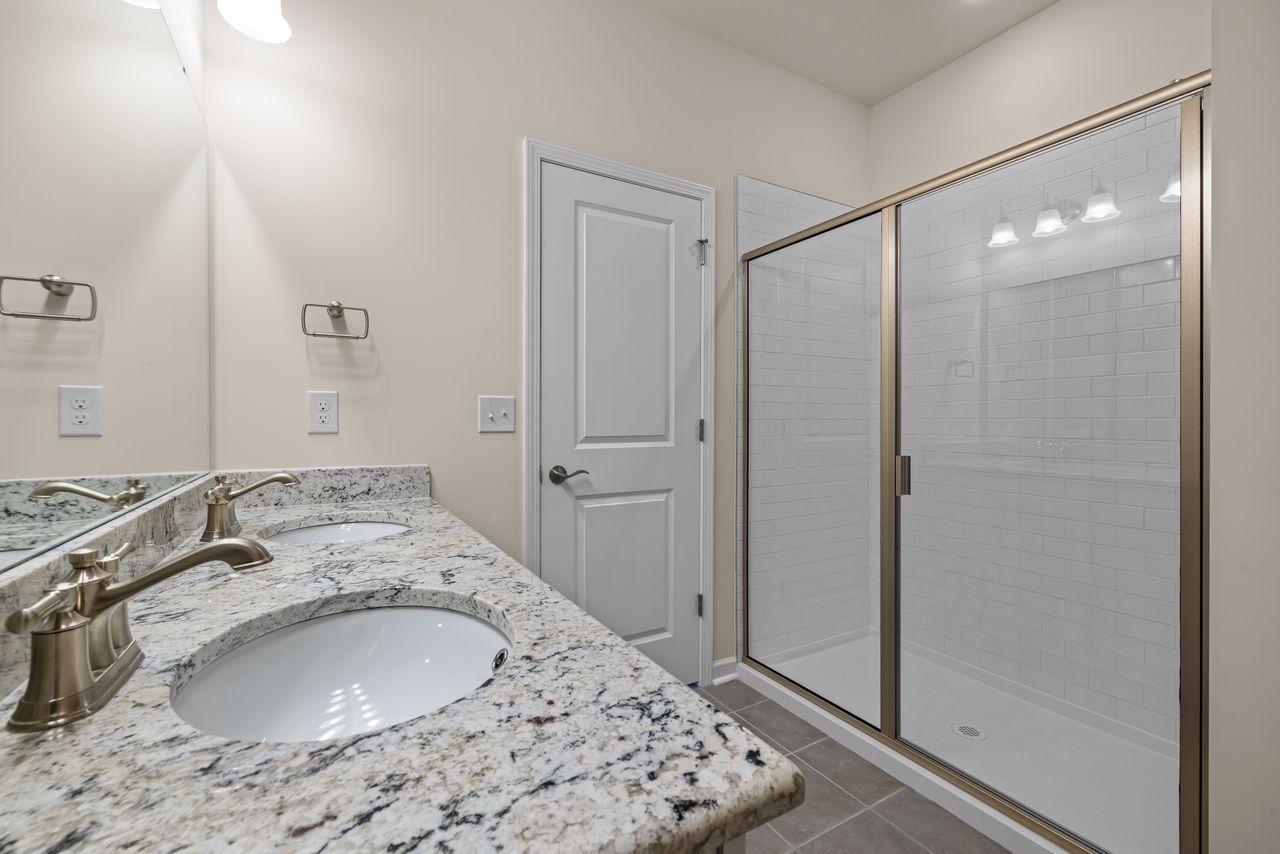
- Light-colored tile, paint, and vanity finishes to bounce light around
Mirrors can help double the sense of space, especially across from a light source. Glossy or semi-gloss finishes also reflect light and are easier to wipe down.
Ventilation and comfort are just as important. A quiet, properly sized exhaust fan moves humid air out after showers and helps prevent mold. In Maryland’s humid summers and cooler winters, added touches can make a big difference:
- Heated flooring for comfort over concrete slabs
- Proper insulation around walls and pipes
- Humidity control that works with the rest of the home
For layout, bathrooms in lower levels often need more compact solutions. It helps to focus on:
- The right size shower or tub for the space
- A vanity that offers storage without blocking walking paths
- Wall niches, shallow cabinets, or open shelves for storage
- Pocket doors or carefully planned door swings to avoid tight corners
A well-planned bathroom does not feel like an afterthought. Even in a small area, there can be room to move and enough storage for daily use.
Basement: Structural, Code, and Safety Factors in Maryland
Every lower-level remodel has to meet local building rules. In Maryland and areas like Montgomery County, codes help keep spaces safe and comfortable, especially when people may sleep or spend long hours downstairs.
A few code-related points that can affect a finished basement:
- Minimum ceiling heights for finished spaces
- Egress requirements if a bedroom is part of the plan
- Fire separation and access to exits
- Electrical standards for outlets and lighting
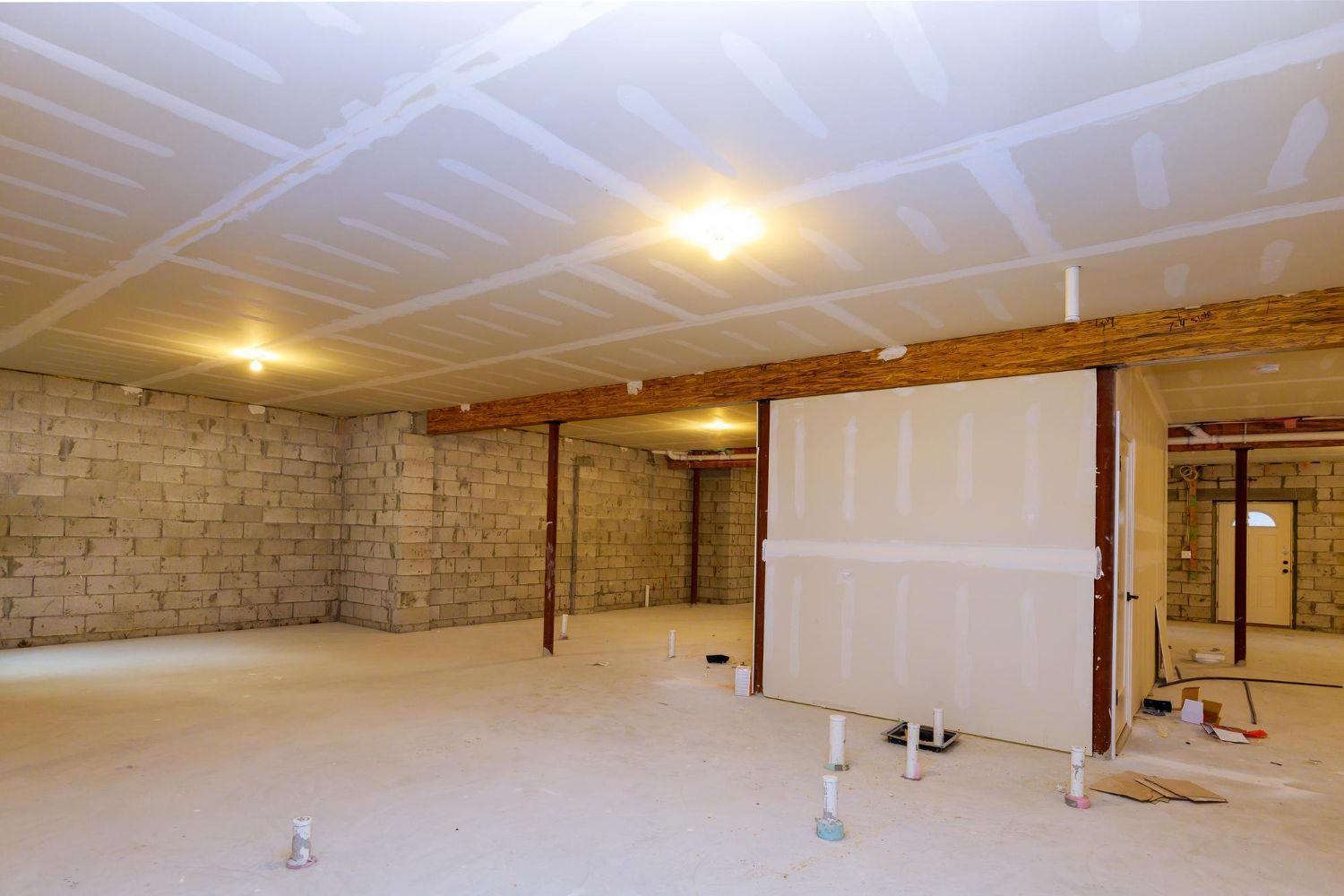
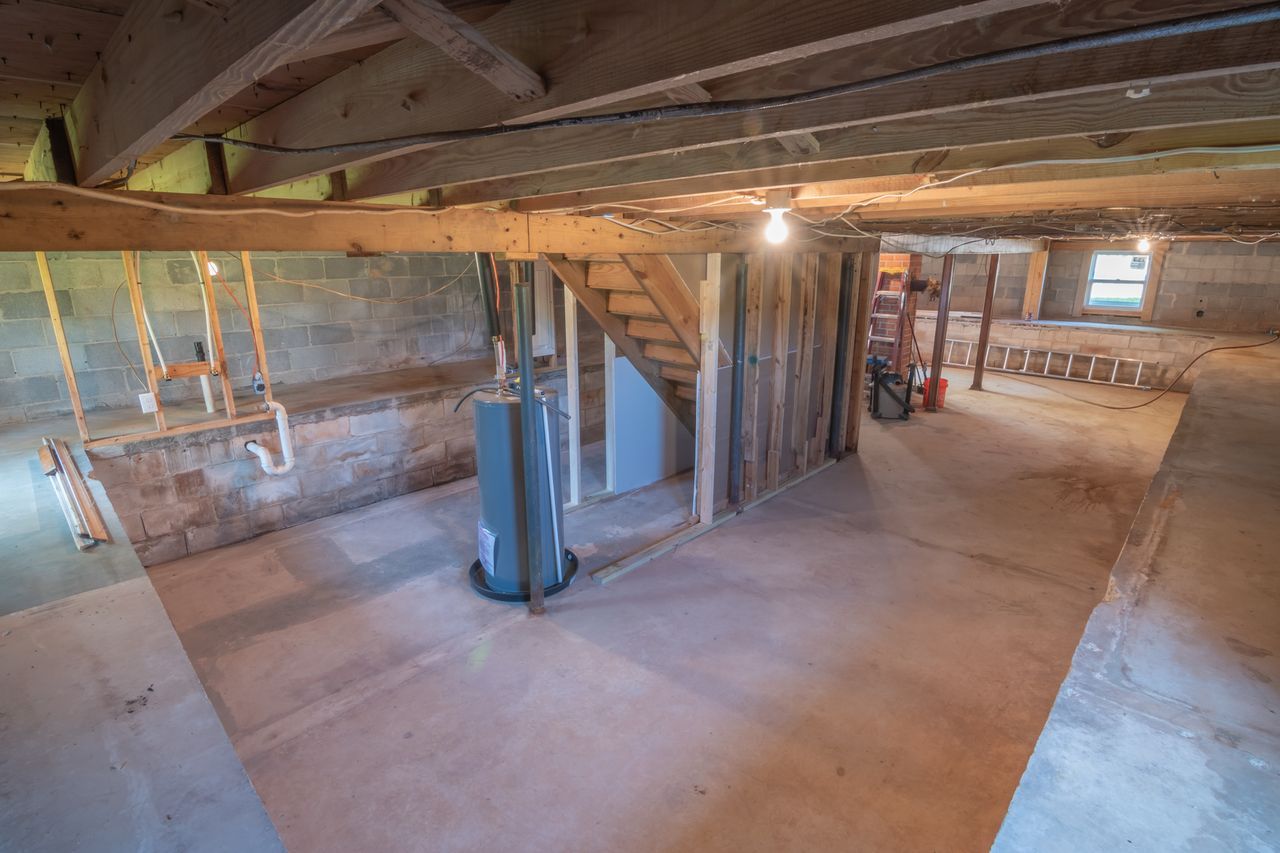
The way your home’s main sewer line exits can also shape the broader basement plan, since plumbing locations may influence where walls and rooms are best placed. Some homes already have rough-ins in the slab, which means pipes were planned for a future bath. Others may require more extensive planning around mechanical and structural elements.
Permits and inspections are not just red tape. They create records that show your work was done to code. That can ease worries for future buyers and protect you if questions come up later.
Bathroom: Plumbing Options and Code Considerations
Plumbing is often the trickiest part of a bathroom addition below grade. The way your home’s main sewer line exits will shape what is possible. Some homes already have rough-ins in the slab, which simplifies new fixtures. Others may need:
- An ejector pump to move waste up to the main line
- An upflush system that sits above the slab
- New trenches cut in the concrete for drains and vent lines
Noise from pumps and flushing can be managed with thoughtful placement and sound control in walls and floors. Local plumbing codes also influence venting methods, pipe sizing, and fixture clearances, all of which must be followed for the bathroom to pass inspection and function reliably.
Basement: Overall Budgeting and Value Strategy
Every homeowner thinks about how a project will pay off over time. With a finished basement, the return often comes from both daily comfort and how the home shows when it is time to sell.
The lower level can support many functions:
- Guest or in-law suites
- Recreation or media rooms
- Home offices or study areas
- Exercise or hobby spaces
Your goals shape the plan. If you are planning to sell in the near future, a simple, clean finish that matches the rest of the home usually makes sense. For multigenerational living or aging in place, details like wider doorways, better lighting, and clear circulation paths may matter more than pure resale math.
From a budgeting standpoint, it often helps to invest more in the unseen elements that protect the space long term:
- Spend more on: waterproofing, drainage, insulation, sound control, and quality mechanical systems
- Save on: choosing durable but standard finishes, keeping walls and soffits straightforward, and aligning new spaces with existing systems
Thoughtful tradeoffs can keep a basement practical without cutting corners in hidden areas that matter most.
Bathroom: Types of Baths and Long-Term Payoff
Different types of bathrooms support different goals in a finished lower level:
- Half bath (toilet and sink) works well near a media room or play area
- Three-quarter bath (toilet, sink, shower) fits guest spaces or gyms
- Full bath (toilet, sink, tub or tub-shower) supports bedrooms and longer stays
If you are planning to sell in the near future, a simple, clean bathroom that matches the rest of the home usually makes sense. For multigenerational living or aging in place, details like grab bar blocking inside walls, low-threshold showers, wider doors, and better lighting can add long-term usability.
Spending wisely in a bathroom often means:
- Investing in waterproofing, drainage, ventilation, quality plumbing fixtures, and solid waterproof backer boards
- Saving by choosing standard-size showers, using stock vanities, keeping plumbing close to existing stacks, and picking simpler tile layouts
These decisions help a lower-level bath stay reliable and comfortable over time.
Basement: Phasing Your Lower-Level Remodel
One common question is how to phase the work. Should you finish the whole basement at once, or plan it in stages?
The answer depends on your family’s needs. If the main goal is extra sleeping space for guests or relatives, you may focus first on framing and finishing the areas that will serve as bedrooms and main living zones. If you mainly want a bigger play area, TV room, or home office, you might prioritize those open spaces and plan for future partitions later.
A clear sequence helps the work stay organized and future updates remain easier:
- Planning and design for the full basement layout
- Plumbing and electrical rough-ins for all expected future uses
- Framing walls and soffits around beams and ducts
- Insulation, drywall, and flooring that suit lower-level conditions
- Final finishes, trim, and built-ins
A phased strategy lets homeowners align projects with budget and timing, while still respecting an overall roadmap.
Bathroom: Integrating the Bath Into the Overall Plan
Within that broader roadmap, the bathroom is a key component. Some households anchor the project around a full or three-quarter bathroom, especially when creating a guest suite or long-stay space. Others place a compact half bath near entertainment or hobby zones to serve daily activities.
Coordinating the bath with the rest of the lower level means:
- Locating fixtures where they work with traffic flow and privacy
- Aligning plumbing runs with other planned wet areas when possible
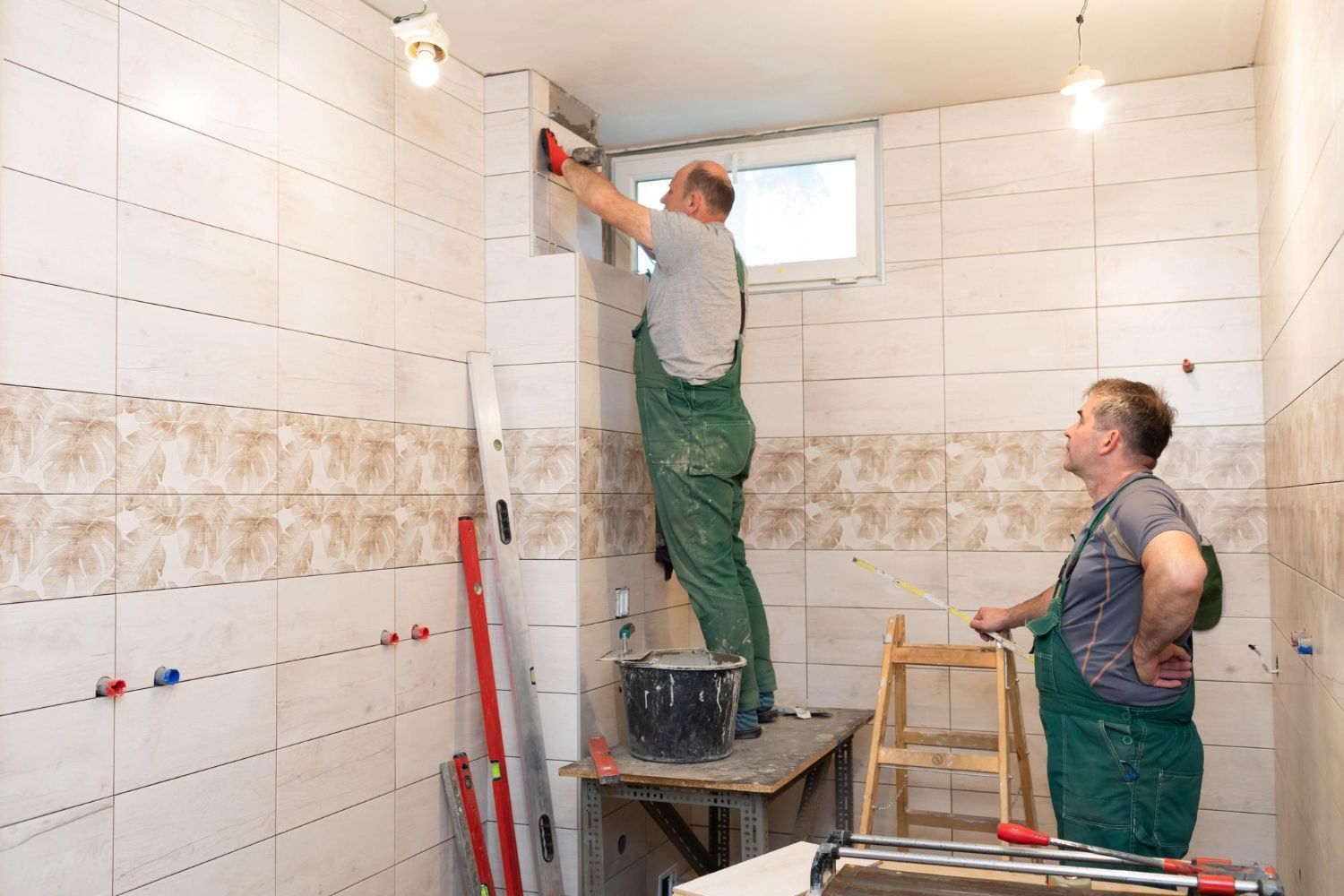
- Scheduling rough-ins at the right time so later finishes are not disturbed
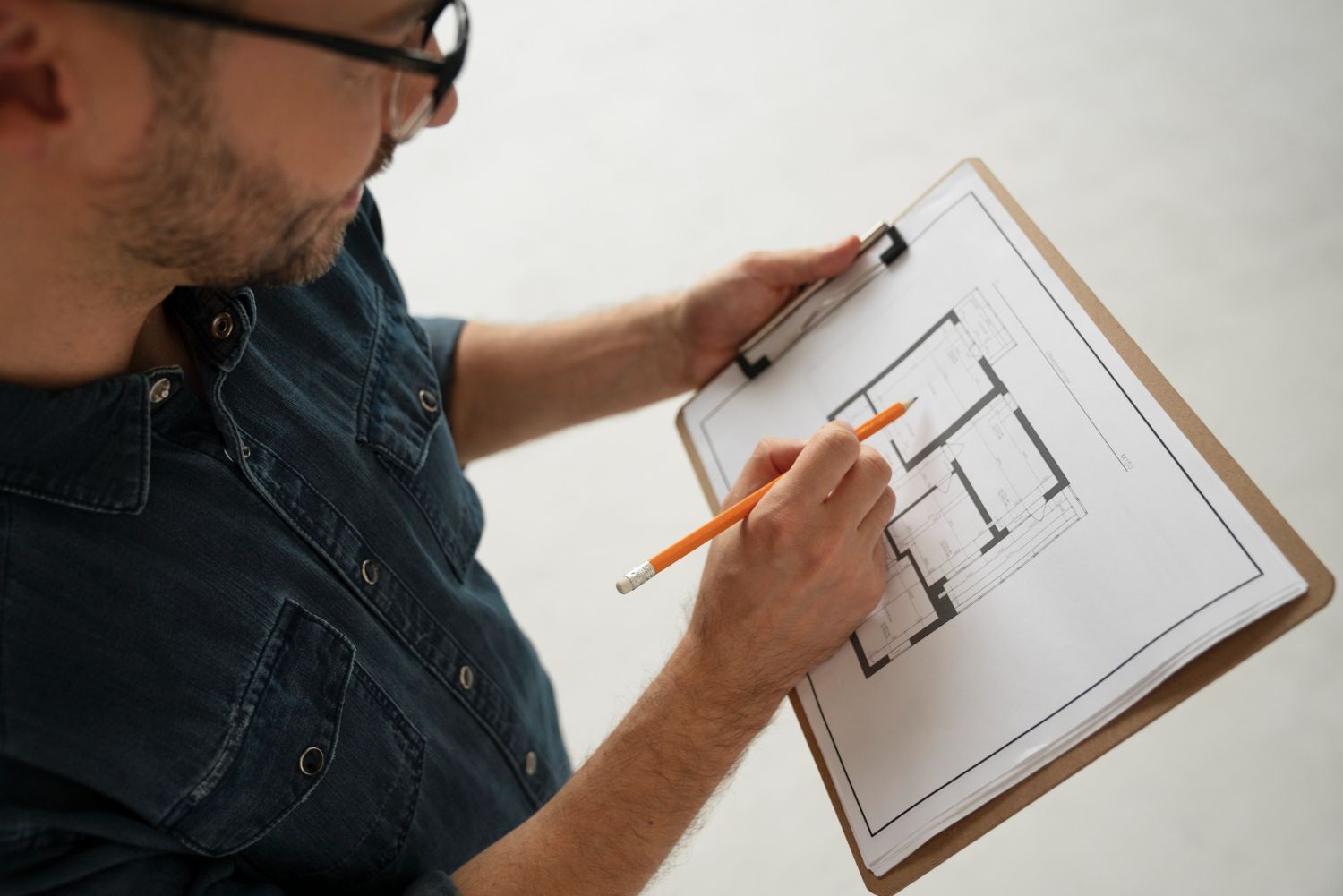
Bathroom Remodeling of Maryland, Inc. works as a design-build partner, which means we help with both the planning and the construction pieces. Homeowners often bring rough sketches or inspiration photos, and we use those to shape a layout that fits the home, supports long-term plans, and makes the most of the lower-level space while integrating the lower-level bathroom smoothly into the overall design.
Get Started With Your Project Today
If you are ready to explore a custom
basement bathroom addition in Bethesda, our team at Bathroom Remodeling of Maryland, Inc. can help you plan a space that fits your home and budget. We will walk you through layout options, materials, and timelines so you know exactly what to expect. Tell us about your ideas and goals, and we will provide a clear, no-pressure proposal. Reach out today through our
contact page to schedule your consultation.