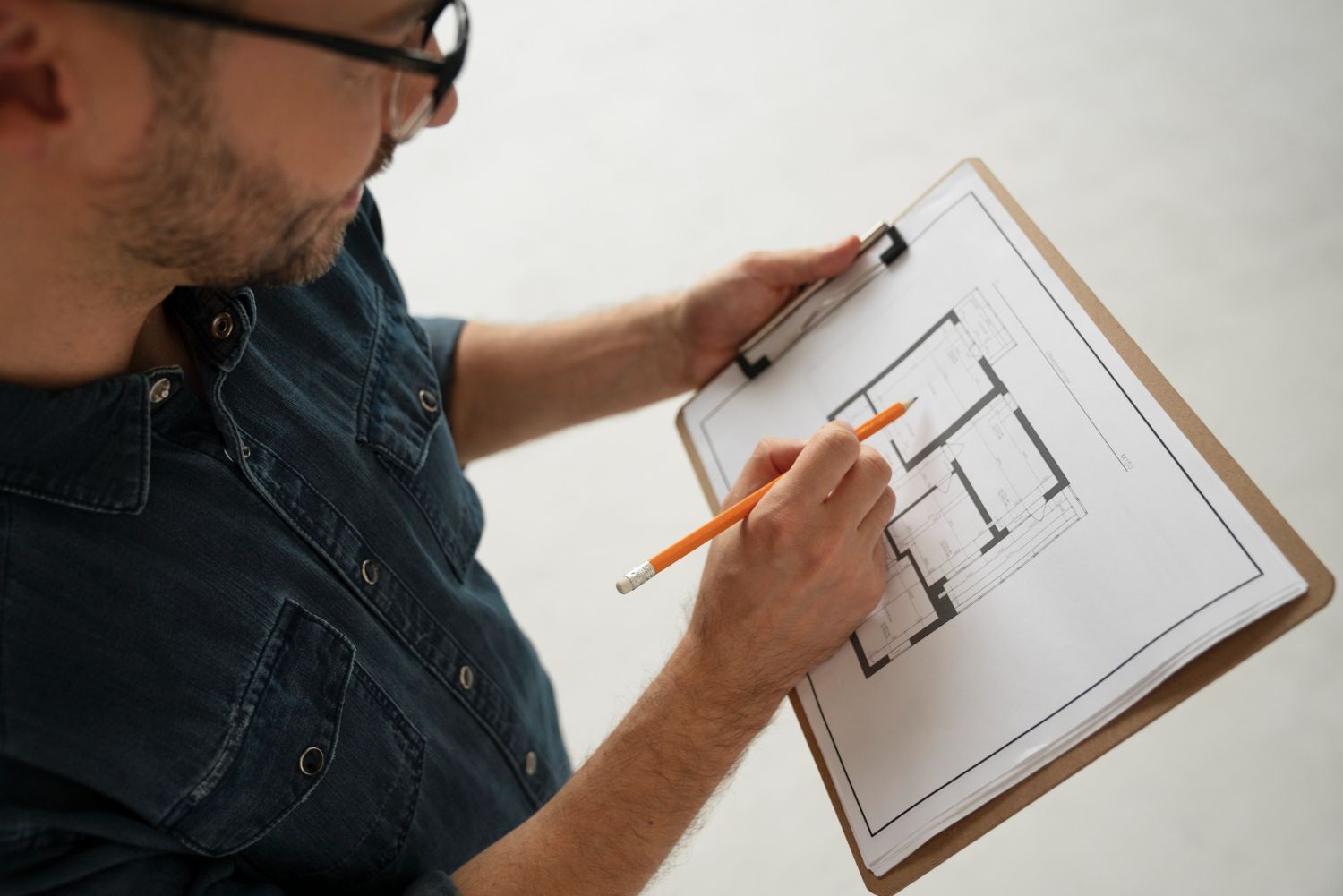
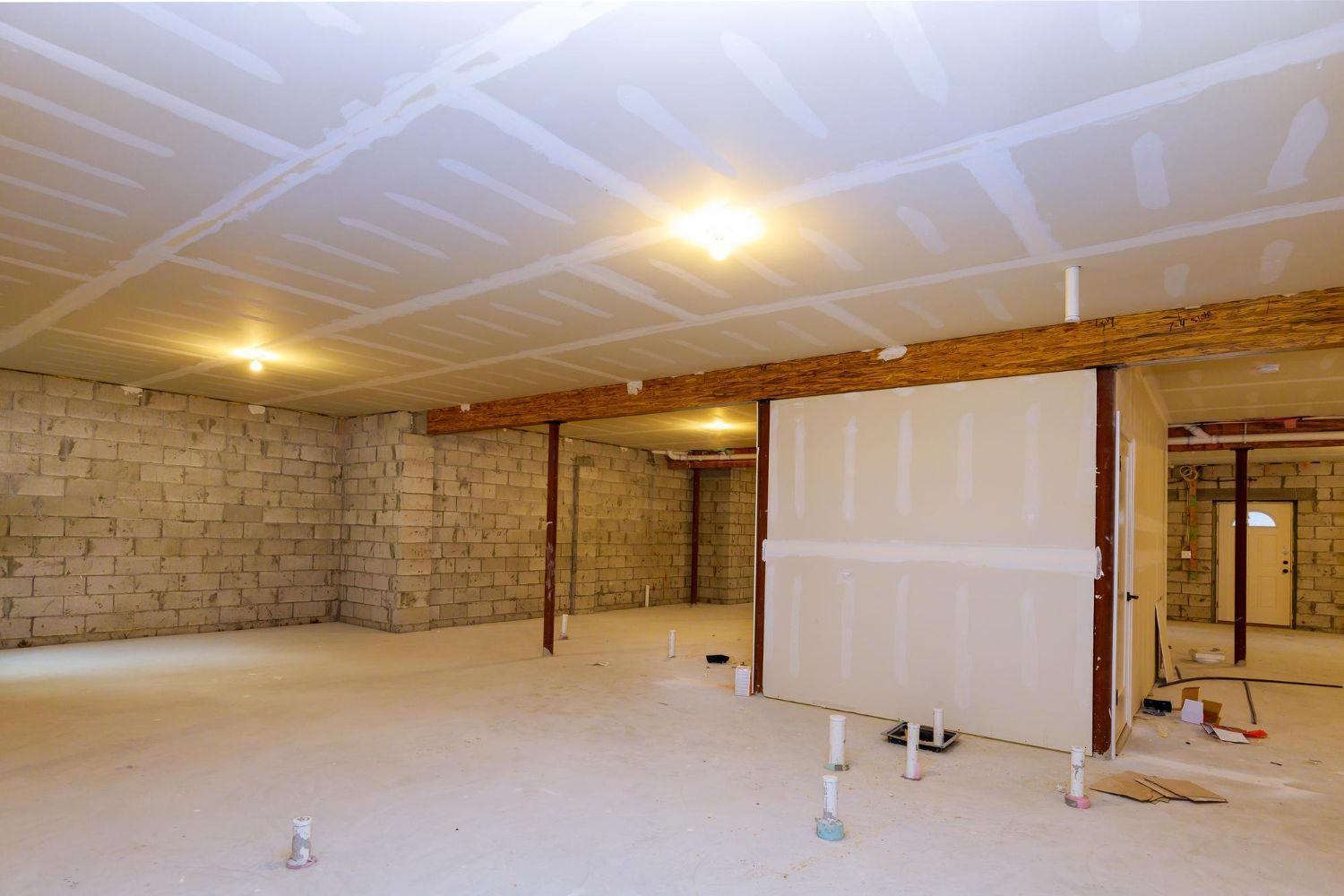
Basement Bathrooms in Maryland Homes: Smart Addition or Waste of Space?
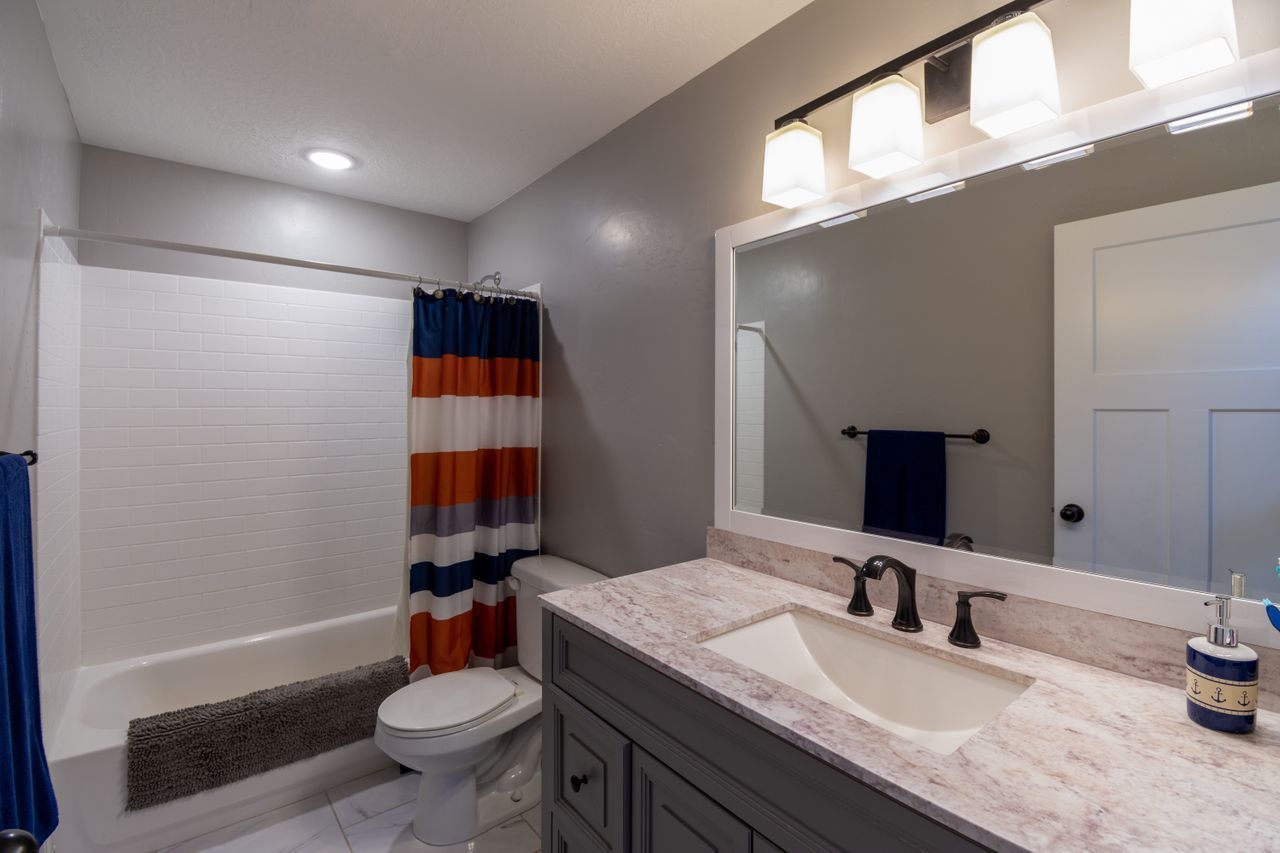
Rethinking Basement Bathrooms in Maryland Homes
Adding a bathroom to a basement sounds simple: more space, more convenience, more value. But if you live in Bethesda or the nearby Maryland and DC suburbs, the real question is whether that basement bathroom will actually earn its place or just sit there unused.
Here, we want to walk through the real pros and cons of a basement bathroom addition in Bethesda and surrounding communities. We will look at lifestyle, resale, local code basics, and design choices so you can decide if this upgrade fits how you live, not just what sounds nice on paper. As a local remodeler, we have seen what works, what does not, and when a basement bathroom truly makes sense.
Why Homeowners Consider a Basement Bathroom
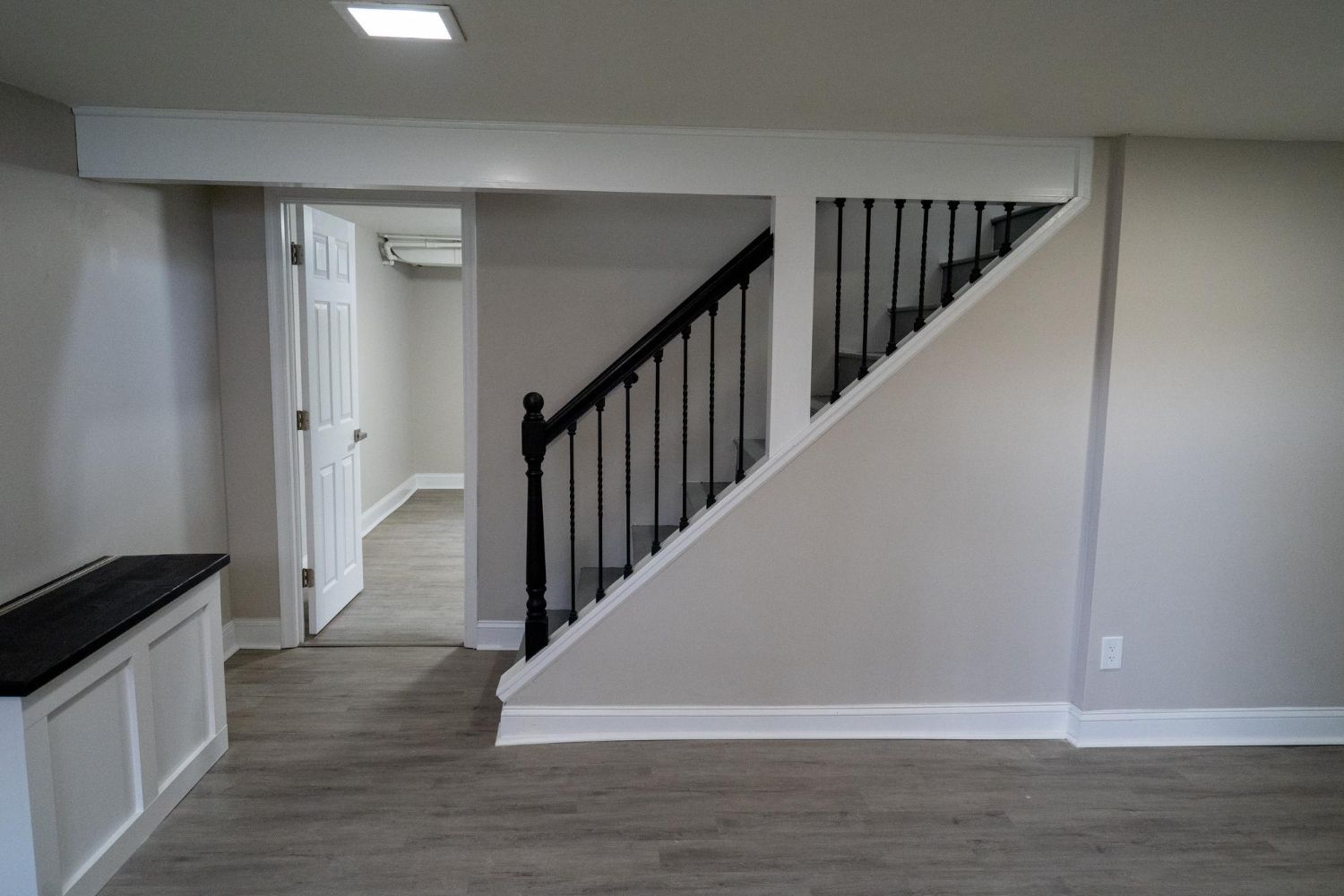
Many homeowners start thinking about a basement bathroom when their home starts to feel tight. The basement is already there, so turning it into real living space feels like the next step.
Common reasons people want a bathroom downstairs include:
- Growing families that need more room to spread out
- Multigenerational households where a parent or adult child uses the basement as a suite
- Teen hangout spaces or media rooms that run late into the night
- Home gyms where a nearby shower makes workouts easier to stick with
A basement bathroom can also make simple things more comfortable. Fewer trips upstairs mean less noise and less wear on the stairs. Guests staying overnight have more privacy if they can use a bathroom right near their bedroom space. When the bathroom is close to where people spend time, the basement stops feeling like a storage area and starts feeling like a real part of the home.
There is also the future to think about. Even if you are not planning an in-law suite or rental-style setup right now, adding plumbing opens that door later. A small bathroom today could support.
- A full guest suite
- A quiet home office with its own restroom
- A potential rental area if your home and local rules allow it
Pros and Cons of a Basement Bathroom Addition in Bethesda
In Bethesda and nearby neighborhoods, square footage is precious. Many homes do not have endless room on the main floors, so turning the basement into livable space is common. A bathroom often feels like the missing piece.
Some benefits of adding a basement bathroom in these areas include:
- Better daily convenience for family and guests
- Stronger use of finished basement square footage
- Extra appeal for buyers who want flexible space
When the basement is already used as a family room, playroom, or TV space, a bathroom keeps everyone from running up and down stairs. For buyers, a finished basement with a bathroom can feel like a bonus level, instead of just a large rec room.
But there are trade-offs. A basement bathroom addition in Bethesda can have drawbacks such as:
- Disruption during construction, since floors may be opened for plumbing
- A risk that the bathroom stays empty if the basement is not used often
- Design limits if ceiling heights, ductwork, or layout are tight
Local buyer expectations matter too. In some neighborhoods, a basement bathroom is almost expected when the basement is finished nicely. In others, it may feel like an extra that does not change what someone is willing to pay as much as a kitchen or primary bath update might. The key is matching the project to the price point and style of your specific home and street.
Costs, Codes, and Practical Realities in Maryland
Basement bathrooms come with some special technical pieces that main-level bathrooms do not. These affect the overall project and how the space works over time.
Key cost and planning factors often include:
- How far the new bathroom is from existing plumbing lines
- Whether the plumbing is below the level of the main sewer line
- The possible need for a sewage ejector pump or up-flush system
- Waterproofing and moisture control for below-grade walls and floors
- Ventilation design, especially if there is no window
Local rules in Maryland and the DC suburbs also shape what is possible. Basements must meet certain egress rules if used as bedrooms, must meet ceiling height guidelines, and must meet ventilation and electrical safety standards. These basics influence where walls, fixtures, and doors can go.
Over the long term, moisture control is a big part of a smart basement bathroom plan. Good drainage, properly sized fans, and finishes that handle humidity can help reduce the chances of musty smells, water damage, or mold. Access panels and thoughtful plumbing layouts also make future service easier if anything needs repair.
Designing a Basement Bathroom That Actually Gets Used
A basement bathroom only pays off if people truly use it. That starts with choosing the right type of bathroom for how your basement functions now and how you want it to work later.
Ask simple questions like:
- Is the basement mainly a TV or game room, so a half bath is enough?
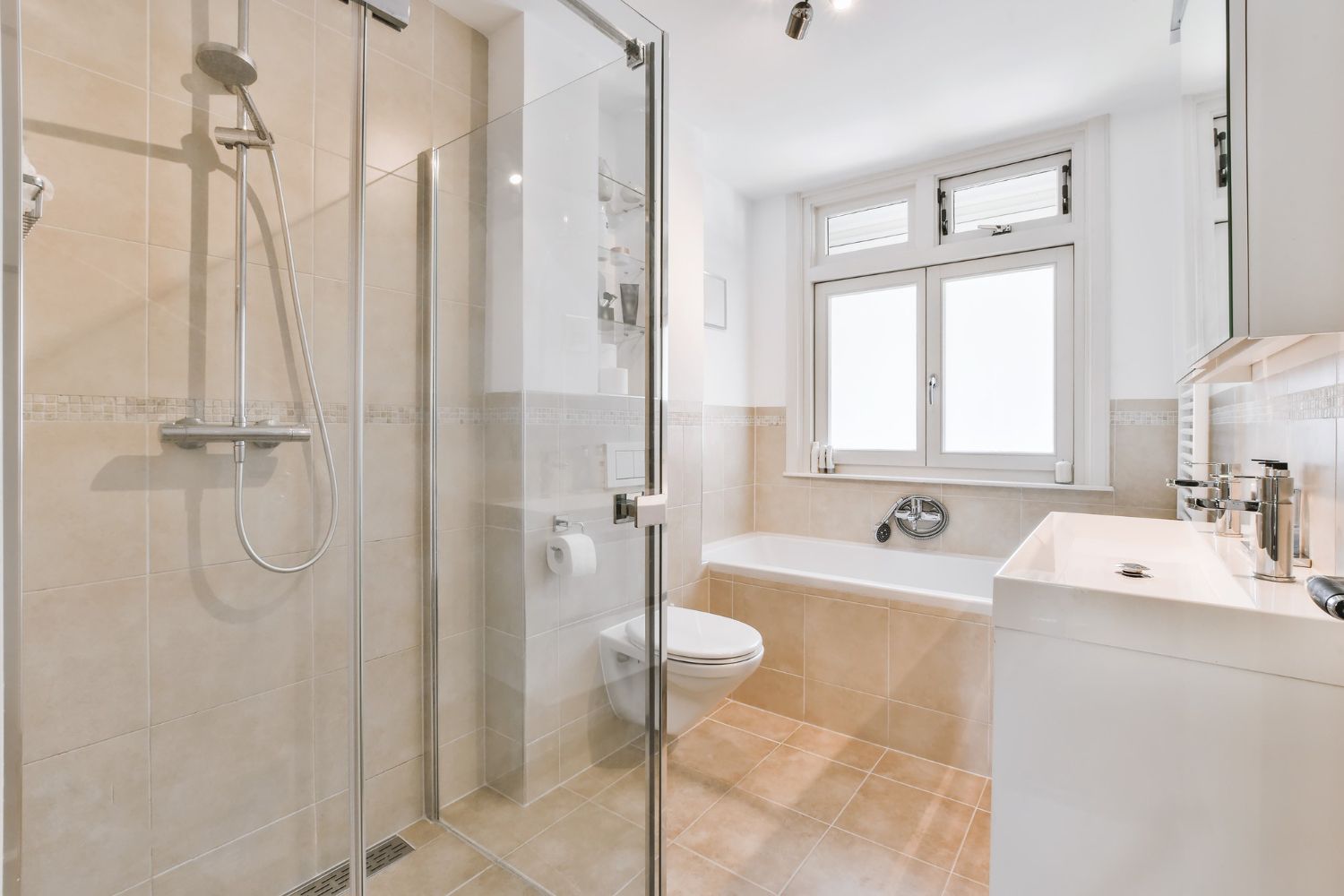
- Are you planning a guest room or suite where a shower is important?
- Will the space double as a home gym or office where a full bath adds comfort and flexibility?
Placement matters too. Putting the bathroom near existing plumbing can reduce the amount of work required. Keeping it close to stairs or between a media room and a guest area helps with traffic flow and privacy.
Storage is another area that is easy to overlook. Built-in cabinets, shelves, or a small linen closet can hold towels, cleaning supplies, and even extra blankets for guests. That way, people do not need to run upstairs for basics.
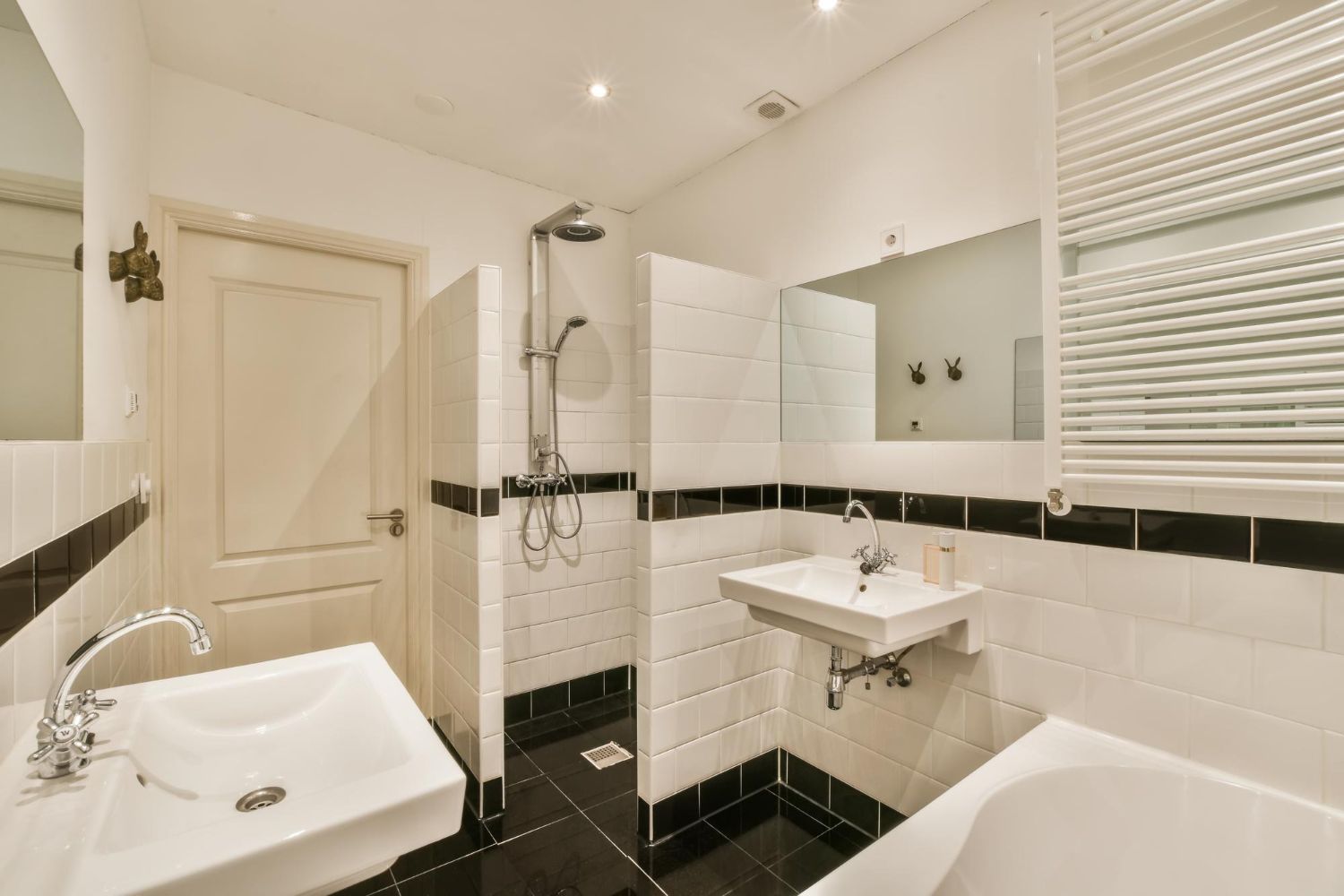
Comfort and style are just as important in the basement as they are on the main floors. Thoughtful design might include:
- Bright but soft lighting that keeps the room from feeling like a basement
- Warm, durable flooring that handles moisture
- Vent fans that are quiet but strong
- Finishes and colors that match the rest of your home so it feels connected
When a Basement Bathroom Addition Makes the Most Sense
A basement bathroom works best when it supports how you already use your home or plan to use it soon. Good times to consider one include:
- A finished basement that hosts family movie nights, playdates, or workouts
- A growing family that needs more flexible space for teens or guests
- A plan for an in-law area or a layout that could function as a small separate suite
On the other hand, a basement bathroom might not be the smartest move if:
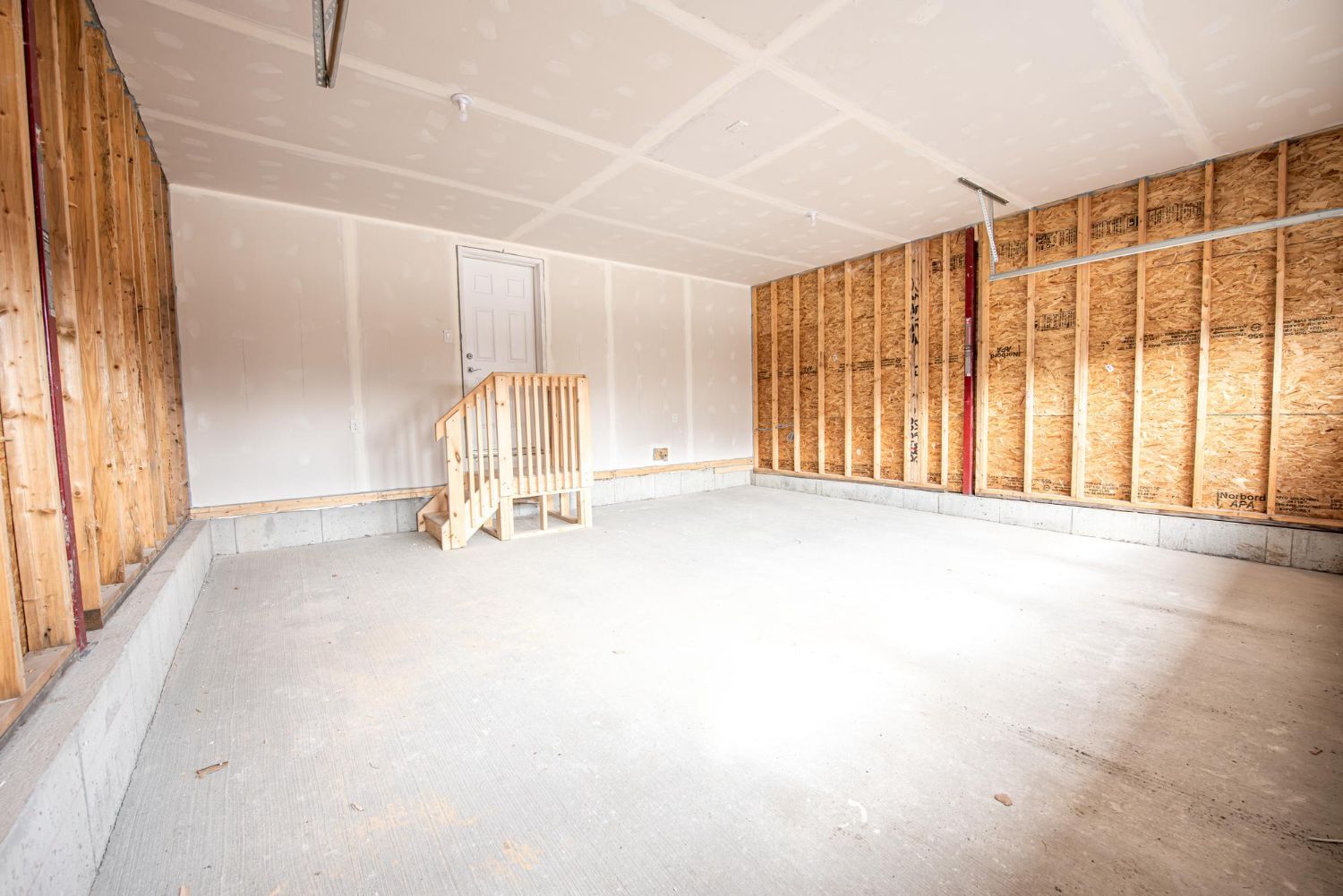
- The basement is damp, unfinished, or rarely used
- You already have plenty of bathrooms that meet daily needs
- Other parts of the home, like the kitchen or primary bath, are overdue for upgrades
From a local real estate angle, many buyers in Bethesda and nearby Maryland markets see a basement bathroom as a nice extra, especially in a well-finished lower level. But it often sits behind a strong kitchen, main-level layout, and primary suite in terms of what drives someone to choose a home. Thinking about your long-term plans and what you value daily can help you decide if a basement bathroom belongs on your list.
Get Started With Your Bethesda Basement Bathroom Today
If you are ready to explore a tailored
basement bathroom addition in Bethesda, we are here to guide you from concept to completion. At Bathroom Remodeling of Maryland, Inc., we listen carefully to your goals, timeline, and budget so your new space fits your home and lifestyle. Reach out to our team with your questions or ideas and let us walk you through clear next steps. To schedule a consultation or request an estimate, simply
contact us today.