What Maryland Bathroom Renovation Contractors Do: Roles and Communication
Homeowners in Maryland often hear the phrase “full-service bathroom renovation contractor” or “basement remodeler” and are not quite sure what that really means. You might wonder who is actually doing the work in your home, who talks to the inspector, and who you call when something unexpected shows up behind a wall.
We want to pull back the curtain a bit. In this article, we will walk through what a professional contractor handles from the first walkthrough to the final punch list, including the roles of subcontractors and how clear communication keeps both bathroom and basement projects running smoothly.
What Full-Service Bathroom Remodeling Really Looks Like
A true full-service bathroom renovation contractor manages the entire process, not just the pretty finishes at the end. From day one, there is a clear person in charge of planning, scheduling, and checking the work in your home. That means you are not left chasing different trades or guessing what happens next.
A full-service bathroom contractor usually handles:
- Initial consultation and measurements
- Design planning and layout guidance
- Permit applications and inspection coordination
- Scheduling and managing all subcontractors
- Final walkthrough and punch list completion
This is different from a handyman or a “guy with a truck” who might only handle small repairs or single trades. A bathroom renovation touches structure, plumbing, electrical, and often HVAC. Professional contractors pay attention to code rules, safety, and proper waterproofing so the space not only looks good but also works for many years.
You should also know what to expect with timing and communication. Many bathroom remodels run several weeks. A good contractor sets a pace for updates, explains how surprises inside walls or floors will be handled, and keeps you in the loop when decisions are needed.
How Contractors Plan and Build Out Your Basement
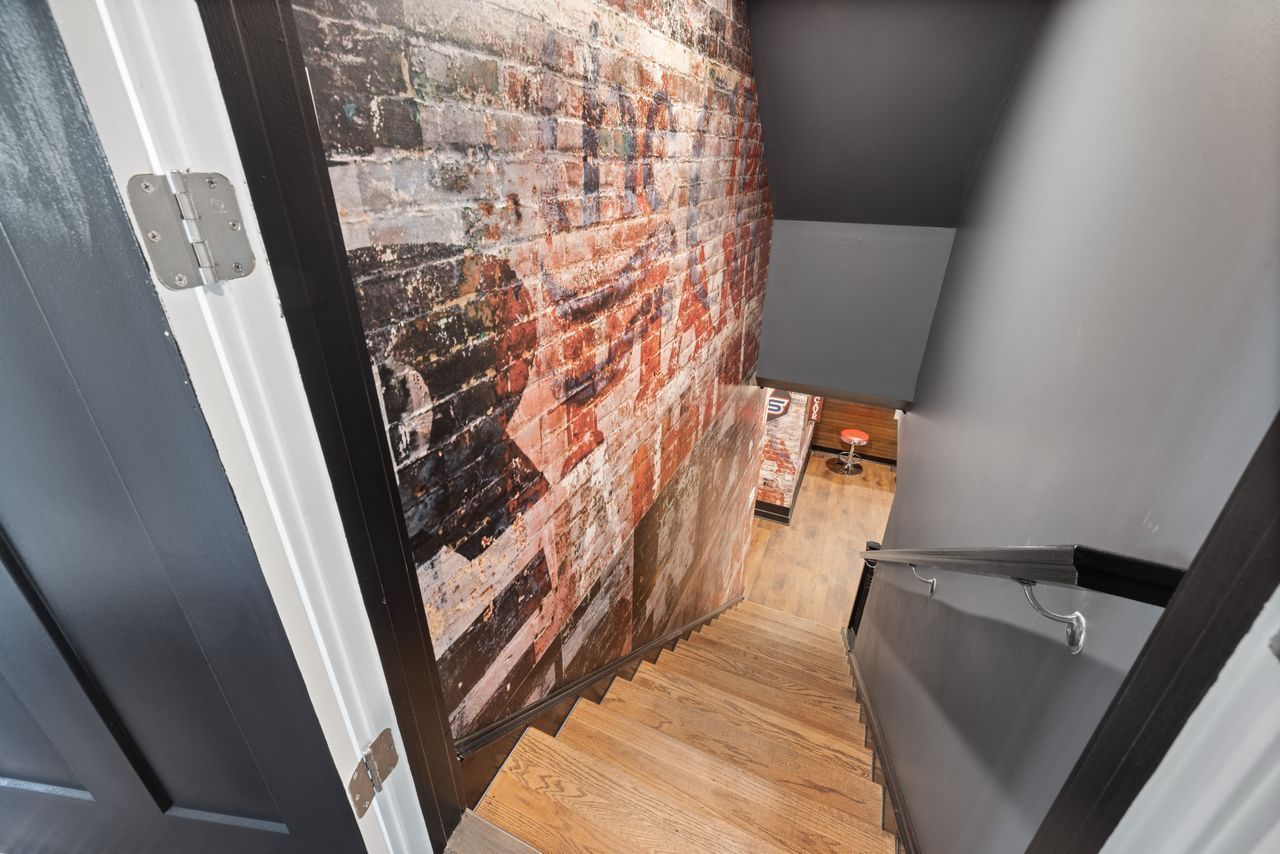
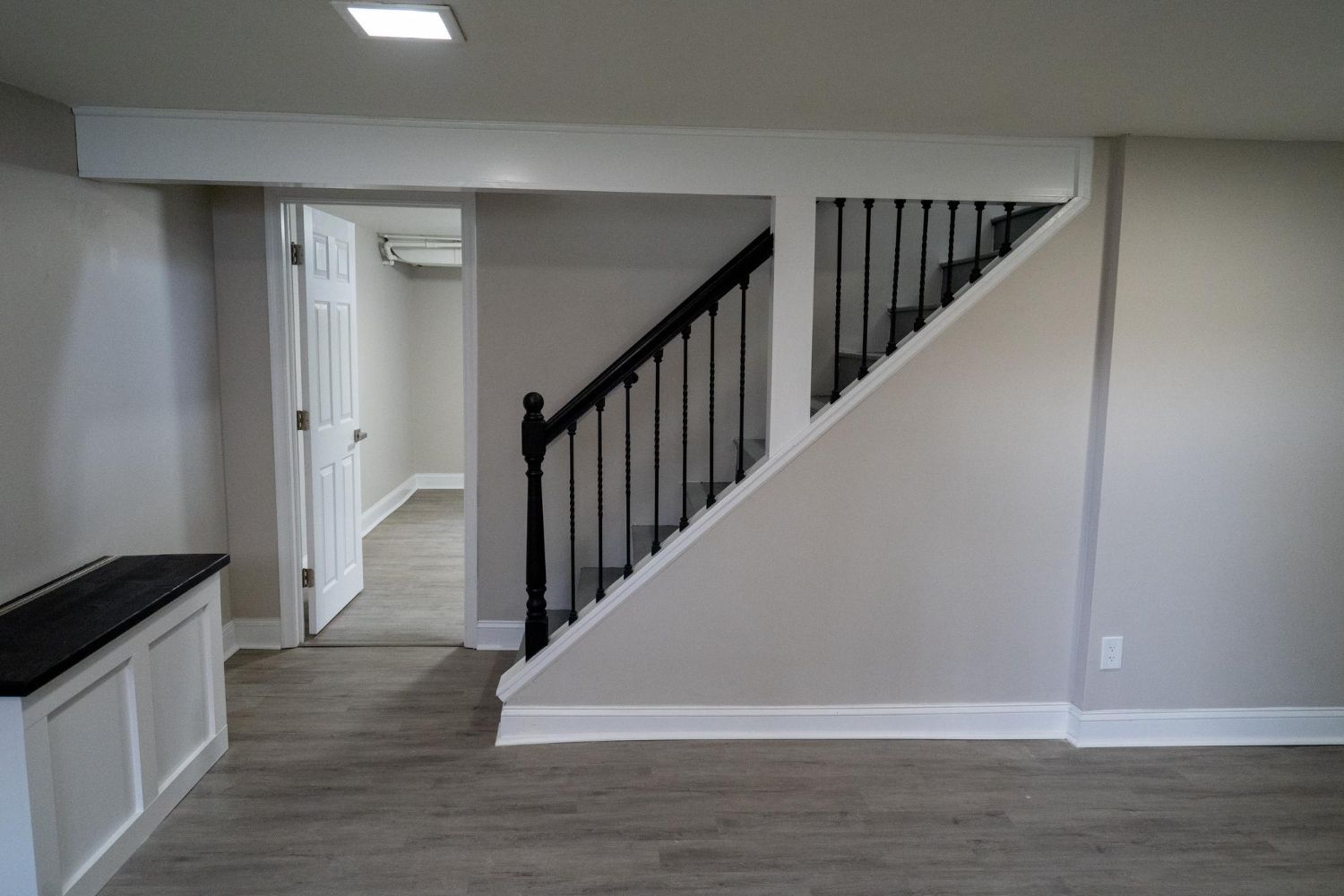
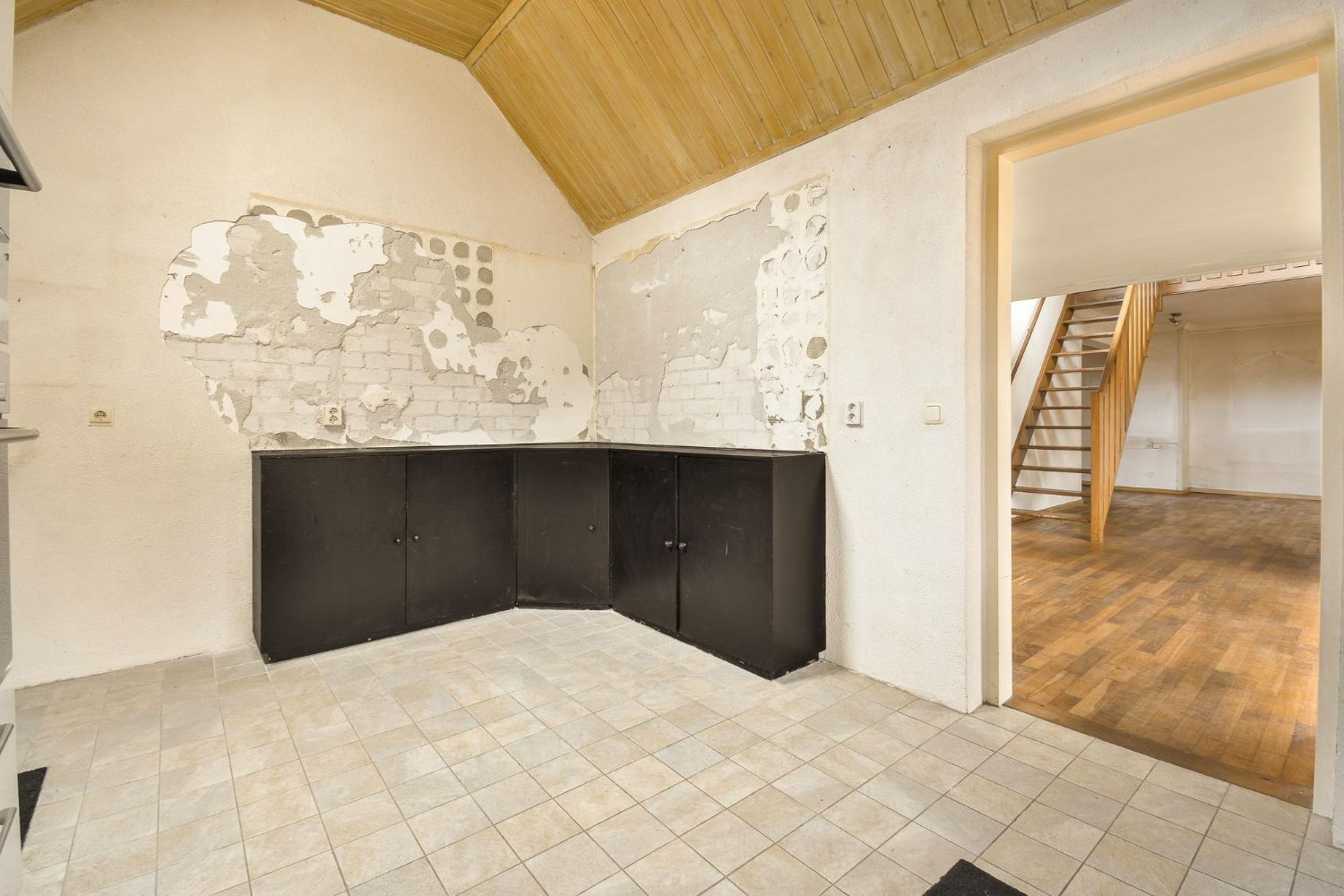
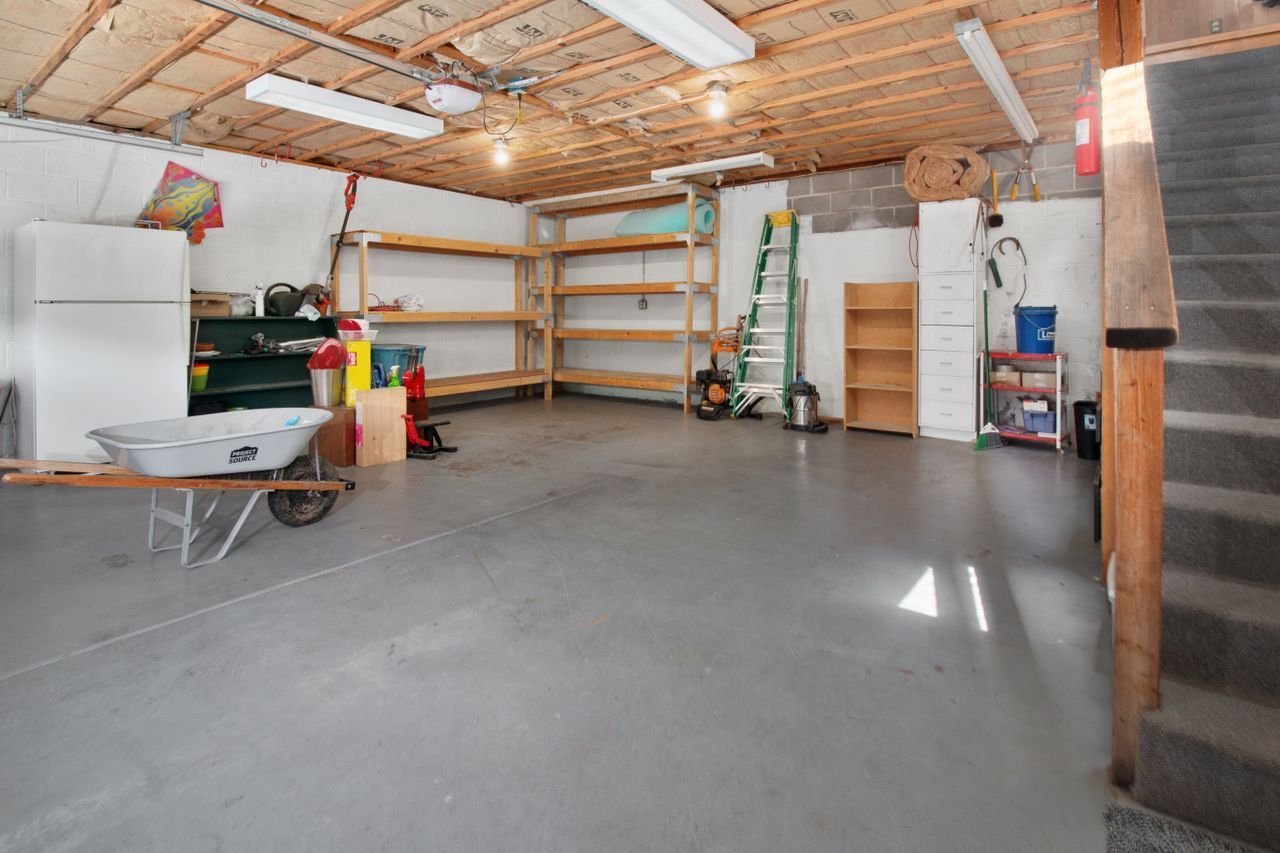
For basements, everything starts with a careful walkthrough. We look at ceiling heights, moisture signs, existing plumbing lines, and how you want to use the space. A home office or guest suite might need more quiet and privacy, while an entertainment room might focus on open space and media wiring.
During discovery and planning, we typically:
- Measure and map existing walls, posts, and utilities
- Check for water entry or damp spots
- Review access to the stairs and exterior doors
- Talk about how you plan to live in and use the new space
After that, the design work begins. Layout options, egress window or door needs, and mechanical planning all come into play. We think through where HVAC ducts will run, where plumbing rough-ins should go for a bath or wet bar, and if the electrical panel can handle added circuits for lights and outlets. For below-grade conditions, finishes must handle possible humidity and temperature swings.
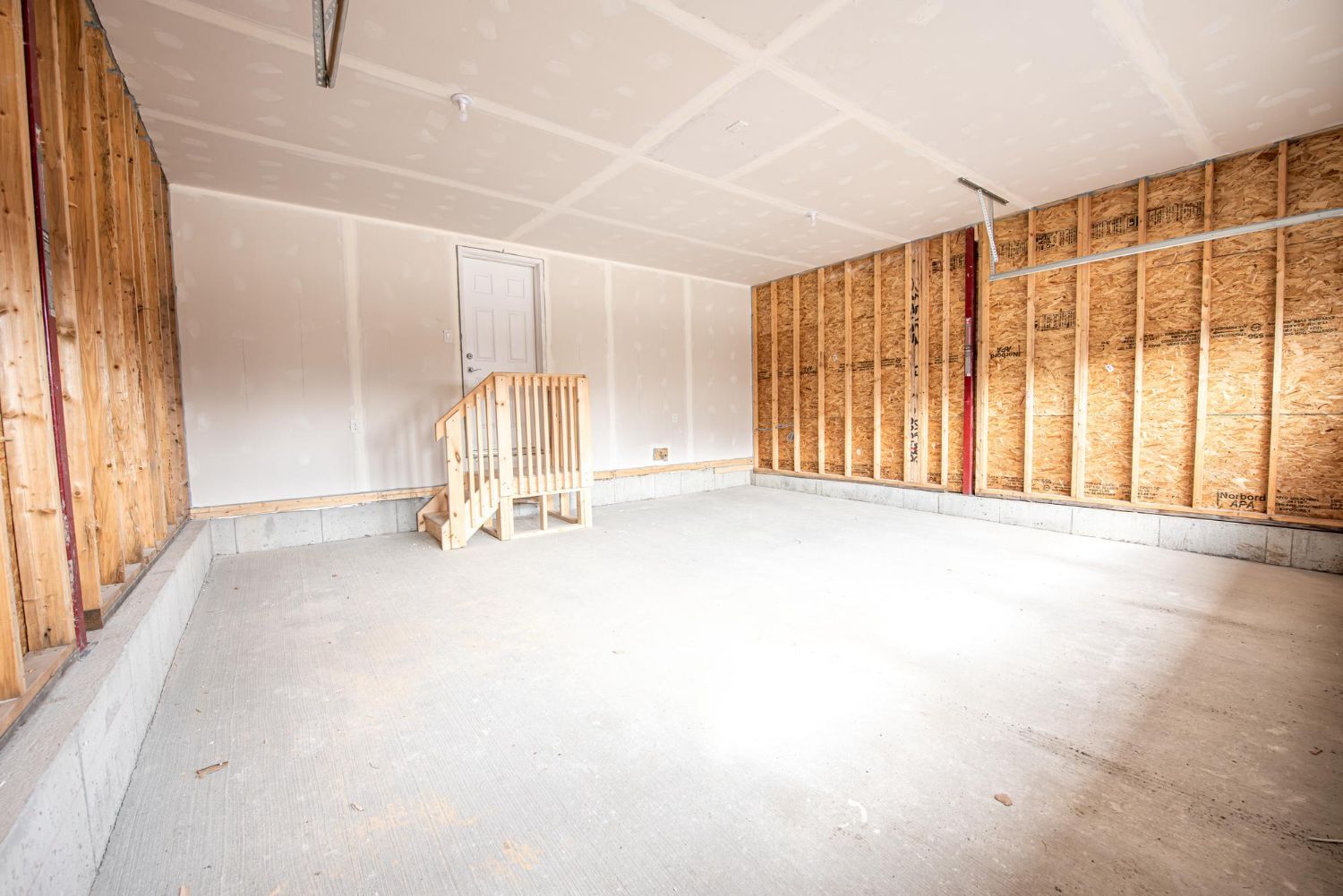
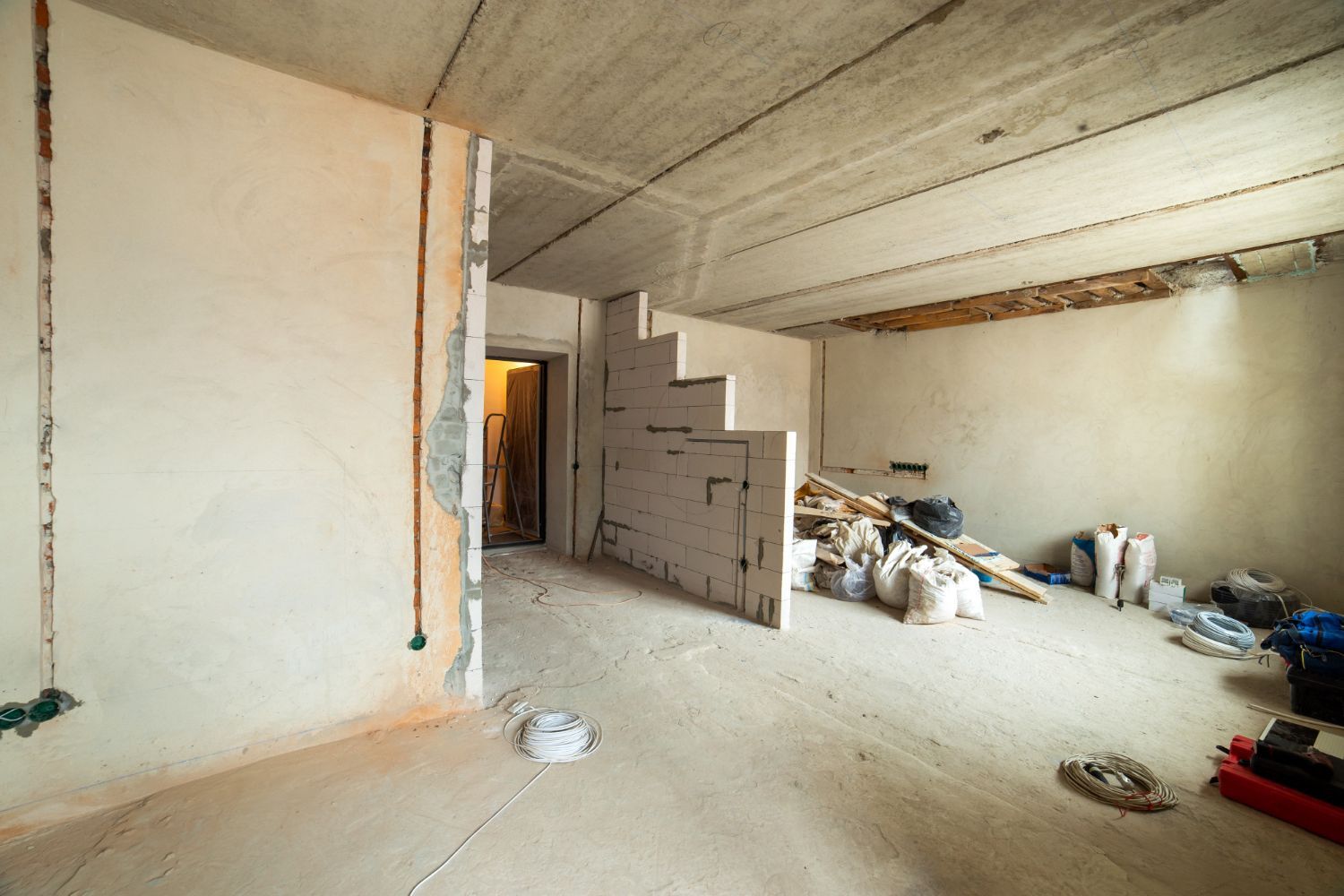
Pre-construction is where the project gets real. Permits are pulled, inspections are mapped to the construction stages, and materials like framing lumber, insulation, doors, and flooring are ordered with the schedule in mind. You should see a project calendar that shows when framing will start, when rough-in trades are expected, and when drywall and finishing work will happen.
What a Bathroom Renovation Contractor Actually Manages
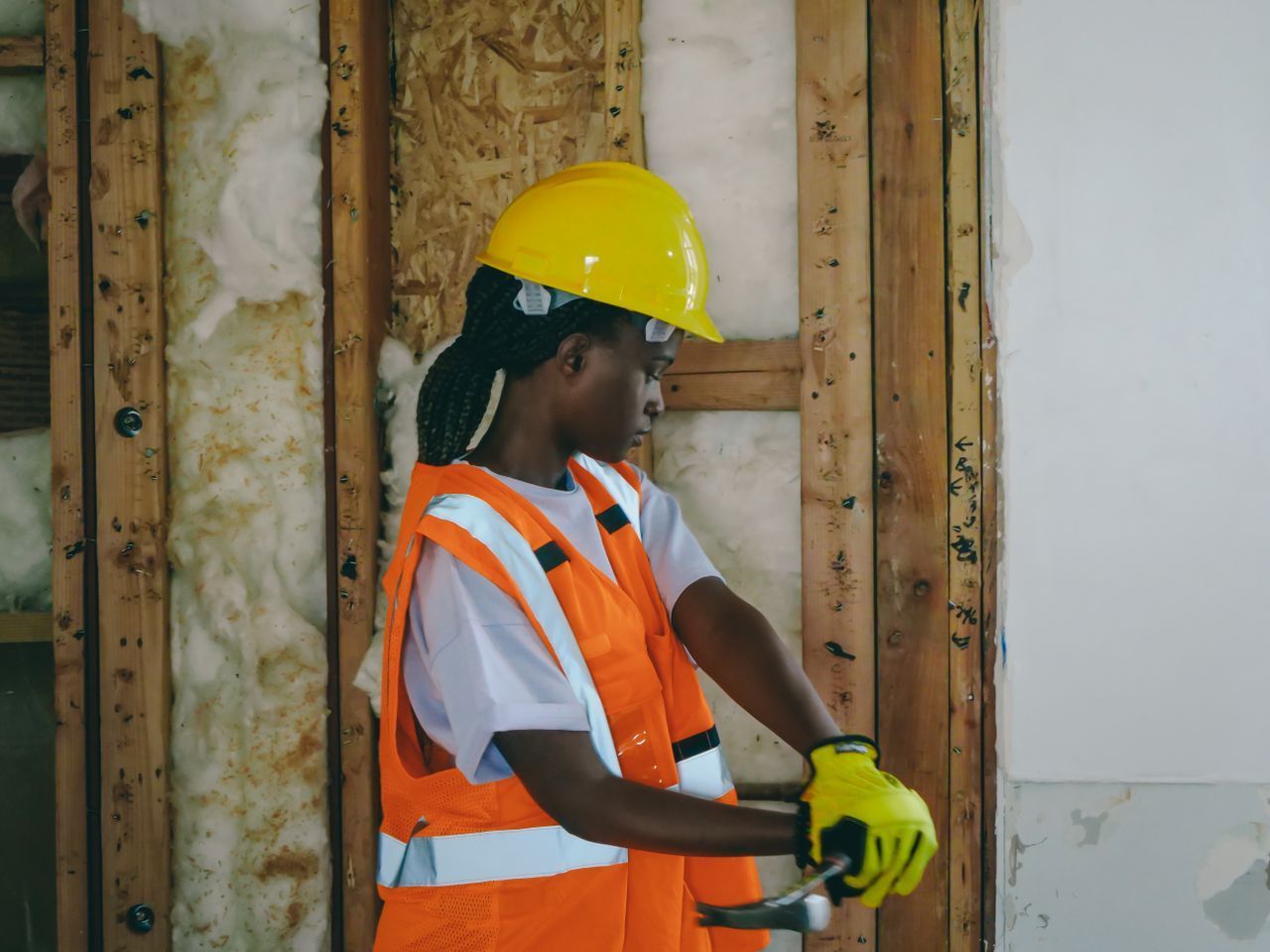
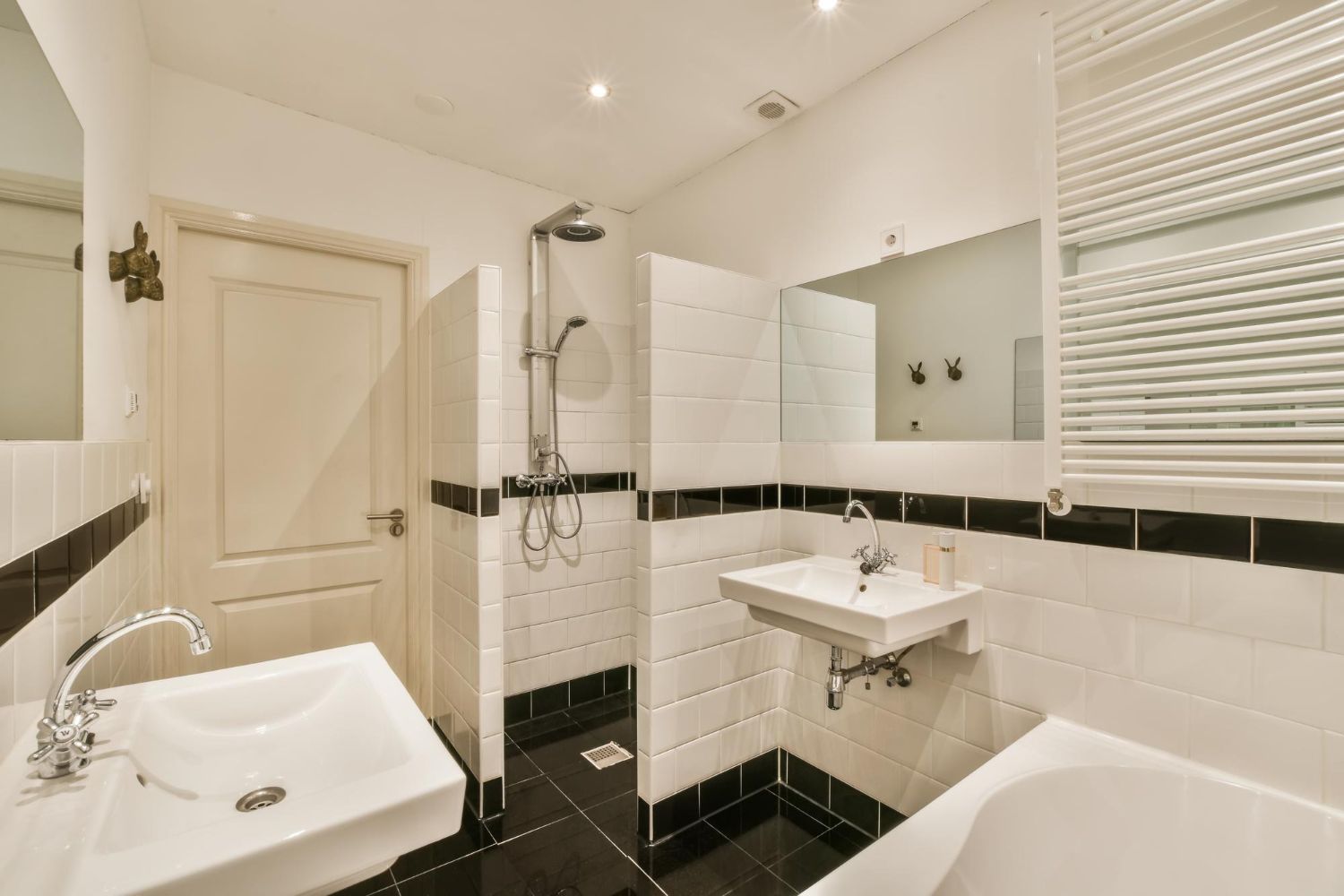
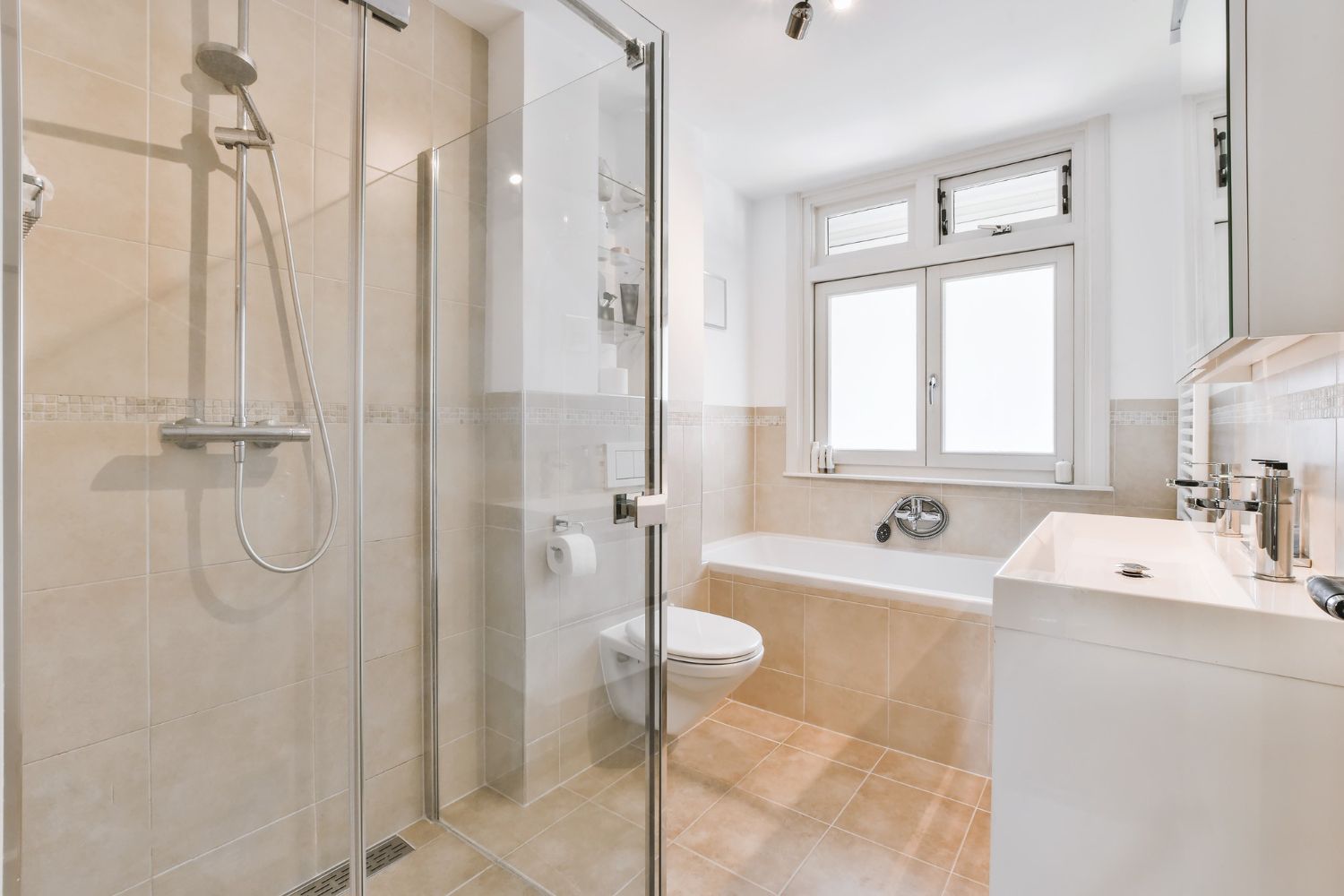
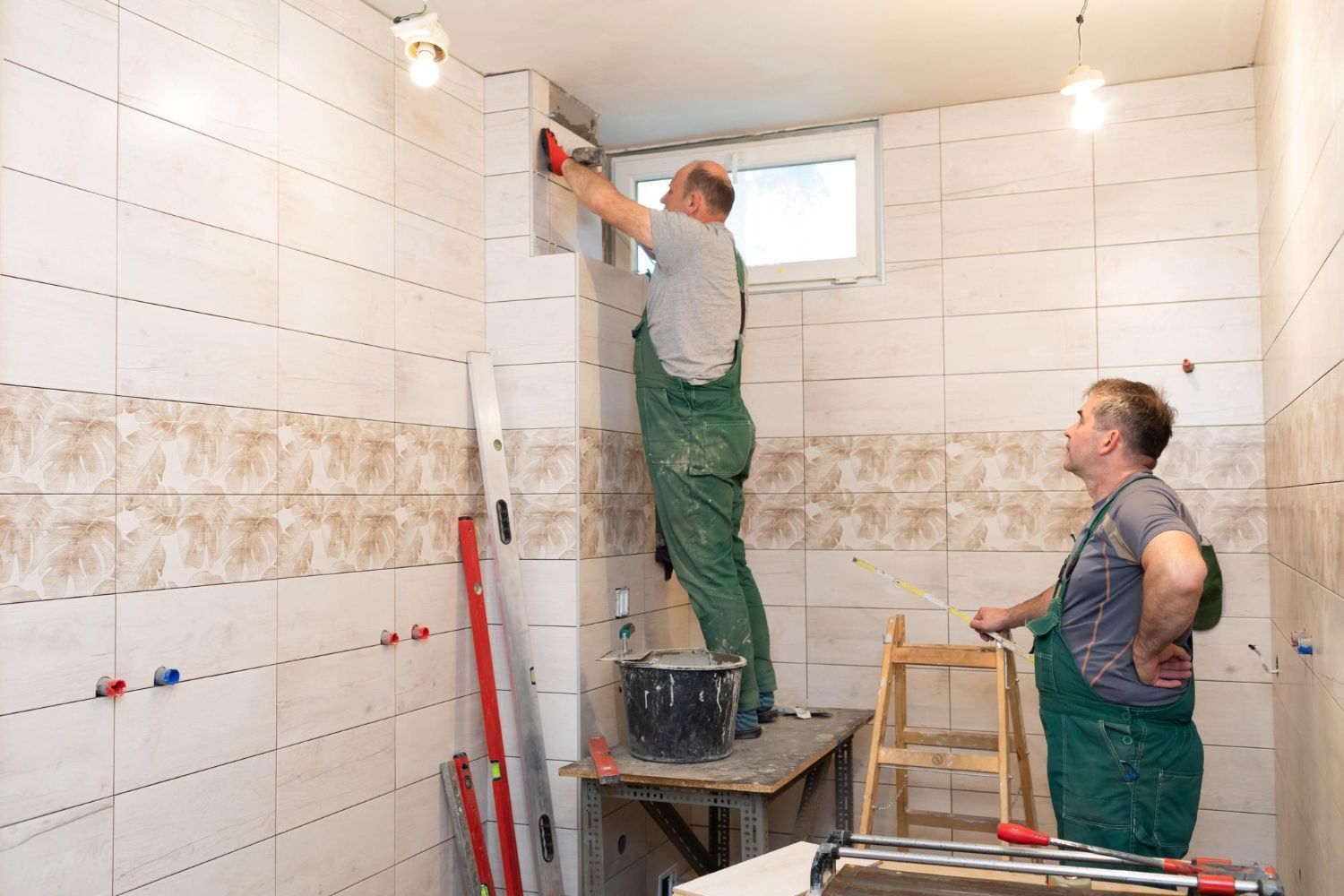
Bathrooms are small, but the work inside them is detailed and layered. A bathroom renovation contractor builds a step-by-step plan so each trade can do their job in the right order. It usually starts with careful demo, including protecting nearby rooms and making sure plumbing and electrical are safely capped.
Key responsibilities in a bathroom include:
- Demo and debris removal
- Waterproofing strategy for showers and tub surrounds
- Ventilation upgrades to move steam out of the space
- Fixture placement planning for comfort and code
- Tight coordination of trades in a compact room
Typical subcontractors in a bathroom project are plumbers, electricians, tile setters, glass installers, and painters. The contractor sequences them to avoid overlap problems, like a painter arriving before the tile is grouted.
There are also built-in quality checks. These might include framing and plumbing inspections, waterproofing tests before tile is installed, tile layout approvals so patterns look right, and final checks of fixtures and drains. The goal is for the bathroom to drain properly, resist moisture, and function as well as it looks.
Behind the Scenes of Basement Subcontractors and Specs
Basement remodels involve more square footage and usually more trades. Behind the scenes, your main contractor serves as the conductor, while each subcontractor handles a focused part of the work.
Common basement subcontractors include:
- Framing carpenters and drywall crews
- Plumbers and electricians
- HVAC techs and insulators
- Trim carpenters and flooring installers
- Low-voltage or media wiring specialists
Your goals for the basement are turned into clear “specs” for each trade. For example, ceiling height targets can drive how ducts are routed. Soundproofing needs might call for specific insulation or double drywall in certain rooms. Lighting layouts and built-ins are planned in advance so wiring and blocking are in place. A home theater or game room might need extra media wiring, outlet locations, and dimmable lighting.
Change orders are common in basements, because sometimes you see the space framed and get new ideas. Adding a wet bar, moving a wall, or upgrading flooring are all possible, but they affect schedule and may require updated permits or inspections. A responsible contractor explains how each change impacts timing and the work other trades have already done.
Clear Communication on Bathroom Projects From Demo to Punch List
Once bathroom demo starts, the project becomes very real inside your home. You should expect dust control, floor protection in hallways, and daily cleanup so the mess is limited. If hidden issues appear, such as old plumbing that is not to current code, your contractor should show you the problem, explain options, and put the choice in simple terms.
Most contractors use a mix of communication tools such as:
- Short weekly walkthroughs to review progress
- Text or email updates with photos
- Project management apps to track decisions and dates
- On-site conversations to confirm tile patterns and fixture locations
The punch list stage is the final clean-up of details. For bathrooms, that can include checking water pressure and drainage, confirming caulk and grout touch-ups, straightening hardware, testing fans, and reviewing paint touch-ups. You should feel free to point out small concerns so they can be addressed before closing the project.
Keeping Your Basement Remodel on Track and Low-Stress
Basement projects move more smoothly when homeowners and contractors act like a team. From your side, quick decisions on finishes, open communication about access, and a realistic view of noise and daily activity help keep progress steady. It also helps to have all major choices made early, like flooring type, door style, and lighting look.
From the contractor’s side, clear documents and open communication are essential. A written scope, reasonable allowances, and a simple plan for handling surprises or warranty items lower stress for everyone. When the roles of the main contractor and subcontractors are clear, basements in Maryland and the DC suburbs can be transformed into spaces that feel comfortable, durable, and easy to live in.
Bringing It All Together for Bathroom Renovations
The same principles apply to bathroom renovations. When expectations, schedules, and responsibilities are clearly defined, the work stays organized and predictable. You benefit from a single point of contact who manages permits, inspections, and subcontractors, and who keeps you informed from the first consultation through the final punch list. With that structure in place, a bathroom remodel can upgrade both the look and day-to-day function of one of the most-used rooms in your home.
Get Started With Your Project Today
If you are ready to update your bathroom with a design that fits your home and lifestyle, our team at Bathroom Remodeling of Maryland, Inc. is here to help. As your local
bathroom renovation contractor, we guide you from initial ideas through final installation with clear communication at every step. Tell us about your goals, budget, and timeline, and we will provide a tailored plan that makes sense for you. To schedule a consultation or ask questions, simply
contact us.