Design Tricks That Make a Low-Ceiling Basement Feel Spacious
Rethinking Your Basement as Livable, Light-Filled Space
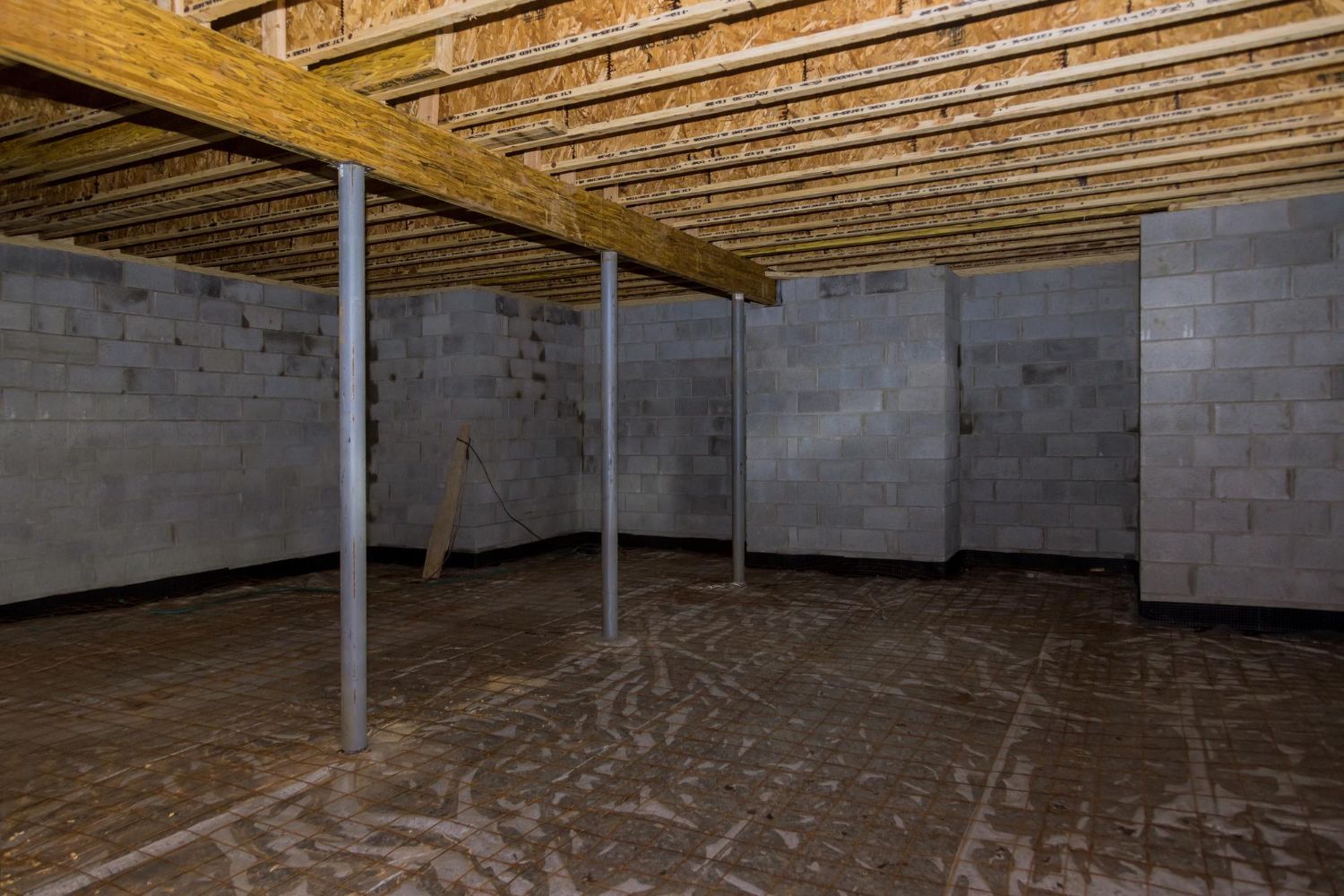
A low ceiling does not have to mean a low-quality basement. In many Maryland homes, especially older properties, townhomes, and split-levels, basements were originally built for storage and mechanicals, not for everyday living. As lifestyles change and space becomes more valuable, that short ceiling can feel like the one thing standing between you and a comfortable family room, guest suite, or home office.
At Bathroom Remodeling of Maryland, Inc., we often see that you do not always need major structural work to transform a basement. Smart design choices can make the ceiling feel higher, the room brighter, and the space more welcoming. With a thoughtful approach to a basement remodel Columbia, MD homeowners can gain livable square footage that feels connected to the rest of the home instead of like an afterthought.
Smart Layouts That Minimize the Low Ceiling Feeling
How you arrange the space has a huge impact on how the ceiling feels. Instead of emphasizing the vertical height you do not have, we like to guide the eye horizontally. This means planning zones and furniture so your sightlines stretch across the room.
Some of the best uses for low basements include:
- Media or TV rooms
- Kids playrooms or hang-out spaces
- Home gyms with lower-profile equipment
- Compact guest suites or in-law areas
- Quiet home offices or study spaces
We encourage open layouts when possible, with partial walls or half walls if you need separation. Keeping the central area open lets you move comfortably without feeling like you need to duck. Tall furniture works best:
- Against walls with the least foot traffic
- On shorter walls so they do not block long sightlines
- Built-in rather than freestanding, which keeps everything neat and shallow
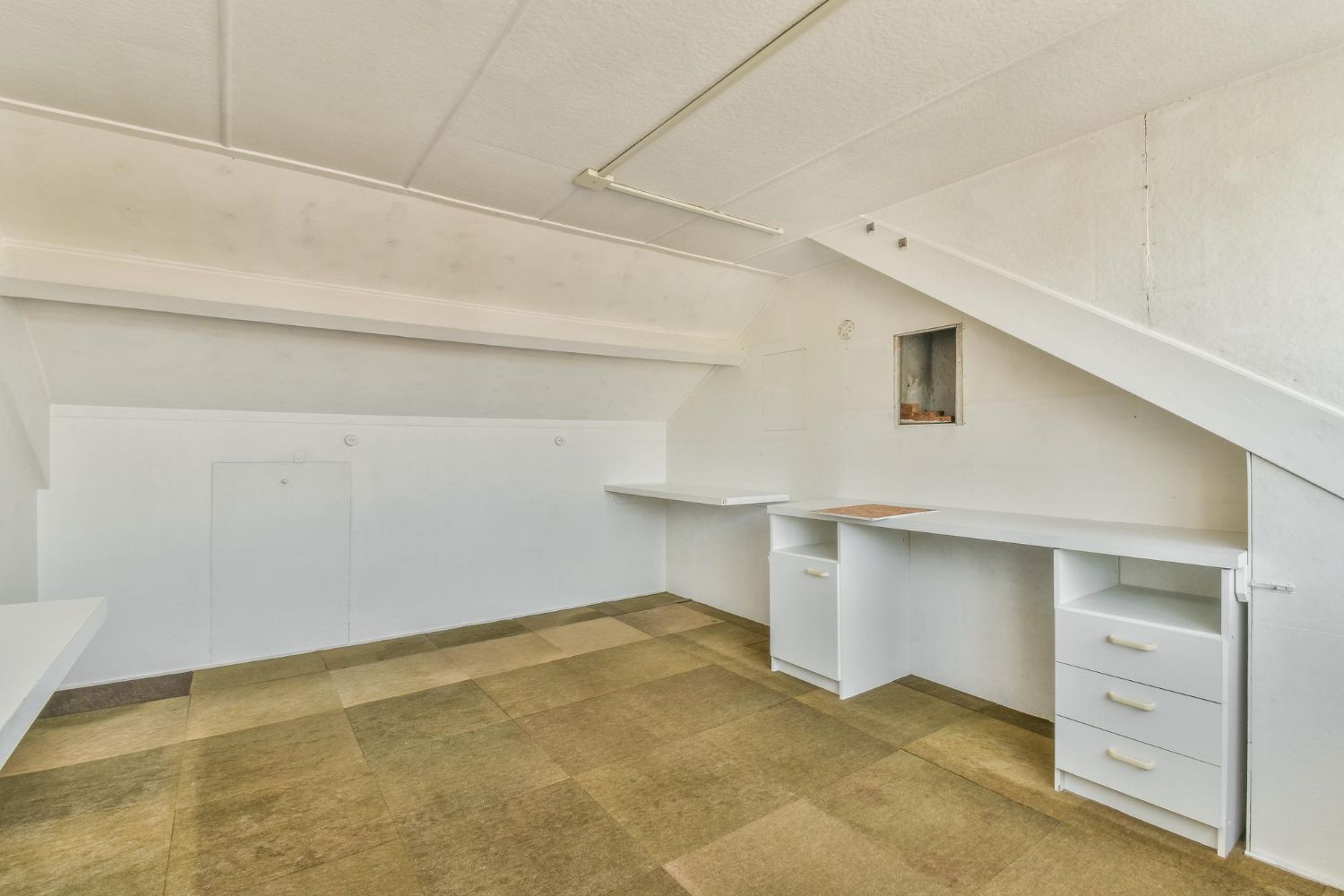
Built-in benches, window seats, and wall-mounted desks free up floor space and reduce visual clutter. When the floor feels open, the ceiling feels higher, even if the actual measurement has not changed.
Lighting Strategies That Visually Lift the Ceiling
Lighting is one of the strongest tools we have in a low-ceiling basement. A single flush-mount fixture in the center of the room will highlight the low ceiling and cast shadows into every corner. Instead, we aim for layered lighting.
We usually combine:
- Ambient lighting for general brightness
- Task lighting for reading, working, or exercising
- Accent lighting to highlight art, shelves, or architectural details
For low ceilings, fixtures that hug the ceiling are your friend. Recessed can lights or low-profile LED panels spread light evenly without hanging down into the room. Wall sconces, especially ones that wash light upward, can make the walls and ceiling feel taller. In some basements, cove lighting or perimeter lighting that grazes the ceiling adds a soft glow that visually lifts the room.
Color temperature matters too. Warm-to-neutral LEDs often feel comfortable and inviting, especially in a space that might not get a lot of daylight. Dimmers give you flexibility so the room works as a bright office in the morning and a cozy media room at night while avoiding harsh shadows that make the ceiling more noticeable.
Color, Finishes, and Materials That Open up the Room
Light, consistent finishes help a low basement feel open and calm. We often recommend pale neutrals on the walls, with a slightly lighter shade on the ceiling. That small contrast lets the ceiling recede a bit instead of feeling like a lid. A soft, eggshell or matte sheen on walls keeps them from looking too shiny, while a flatter ceiling paint reduces glare.
Flooring should feel continuous wherever possible. Breaking up the basement with different materials or strong color changes can visually chop the space. Good options include:
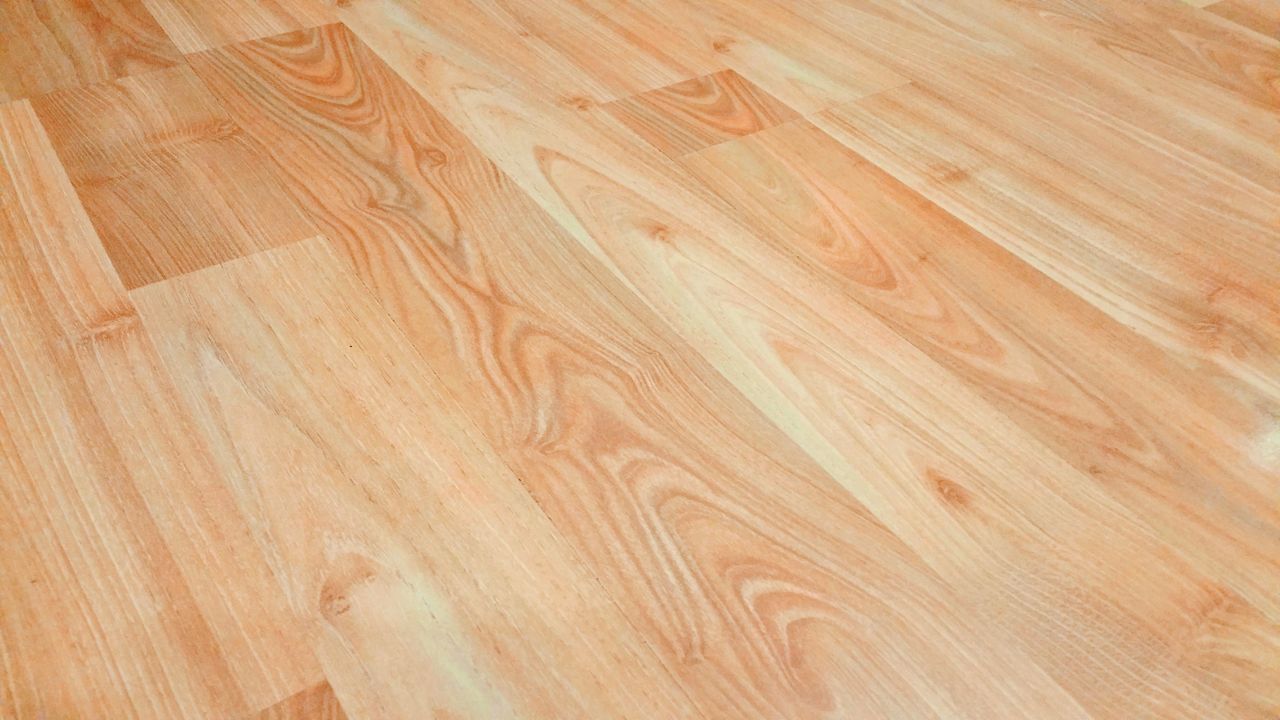
- Luxury vinyl plank in a light or medium wood tone
- Engineered wood designed for below-grade use
- Polished or sealed concrete with a warm undertone
Reflective and light-friendly materials amplify whatever light you have. Some simple ways to do that are:
- Light-toned cabinetry and built-ins
- Glass or mirrored accents in moderation
- Minimal patterns on rugs and fabrics
- Clean, simple trims and baseboards
When your eyes are not stopping at dark, bulky objects, the room feels more generous in every direction.
Ceiling Design and Natural Light That Make the Basement Feel Taller
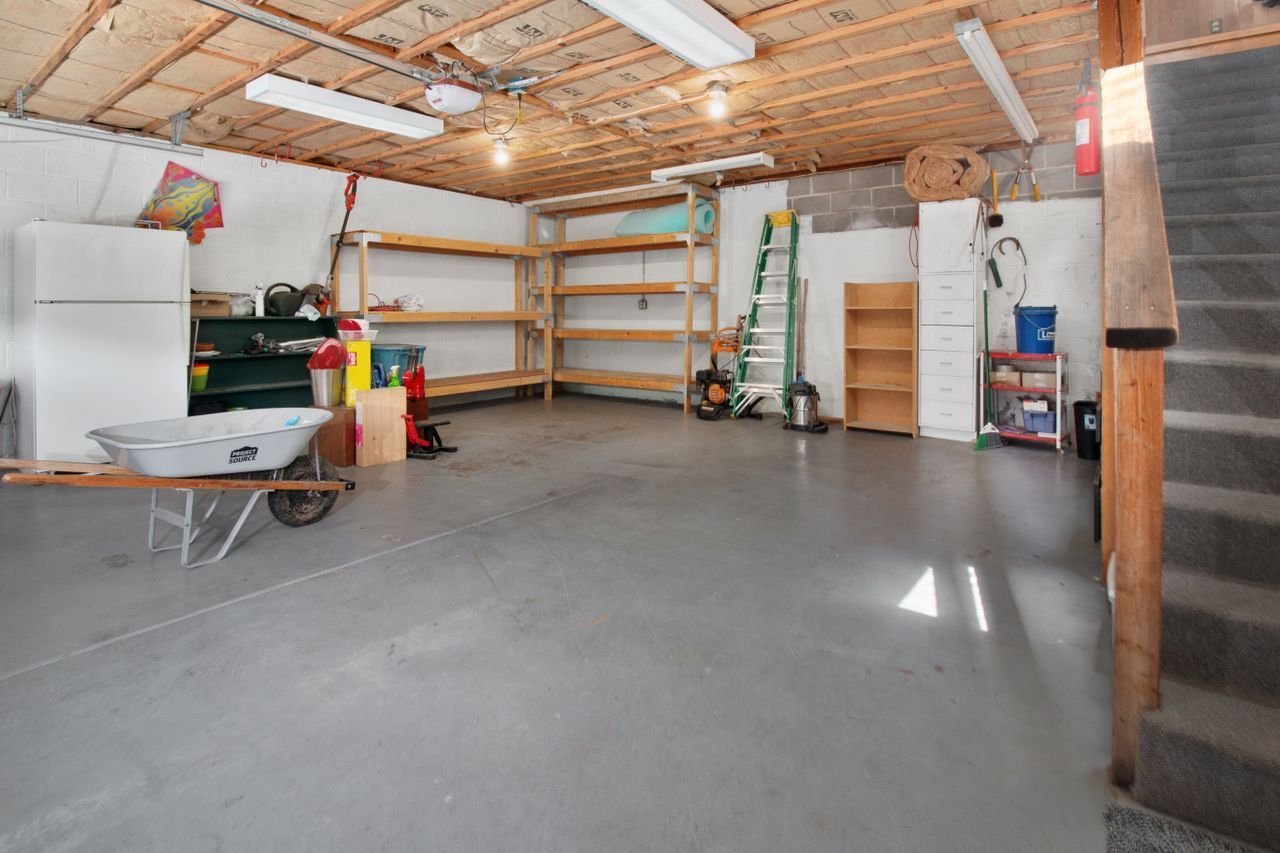
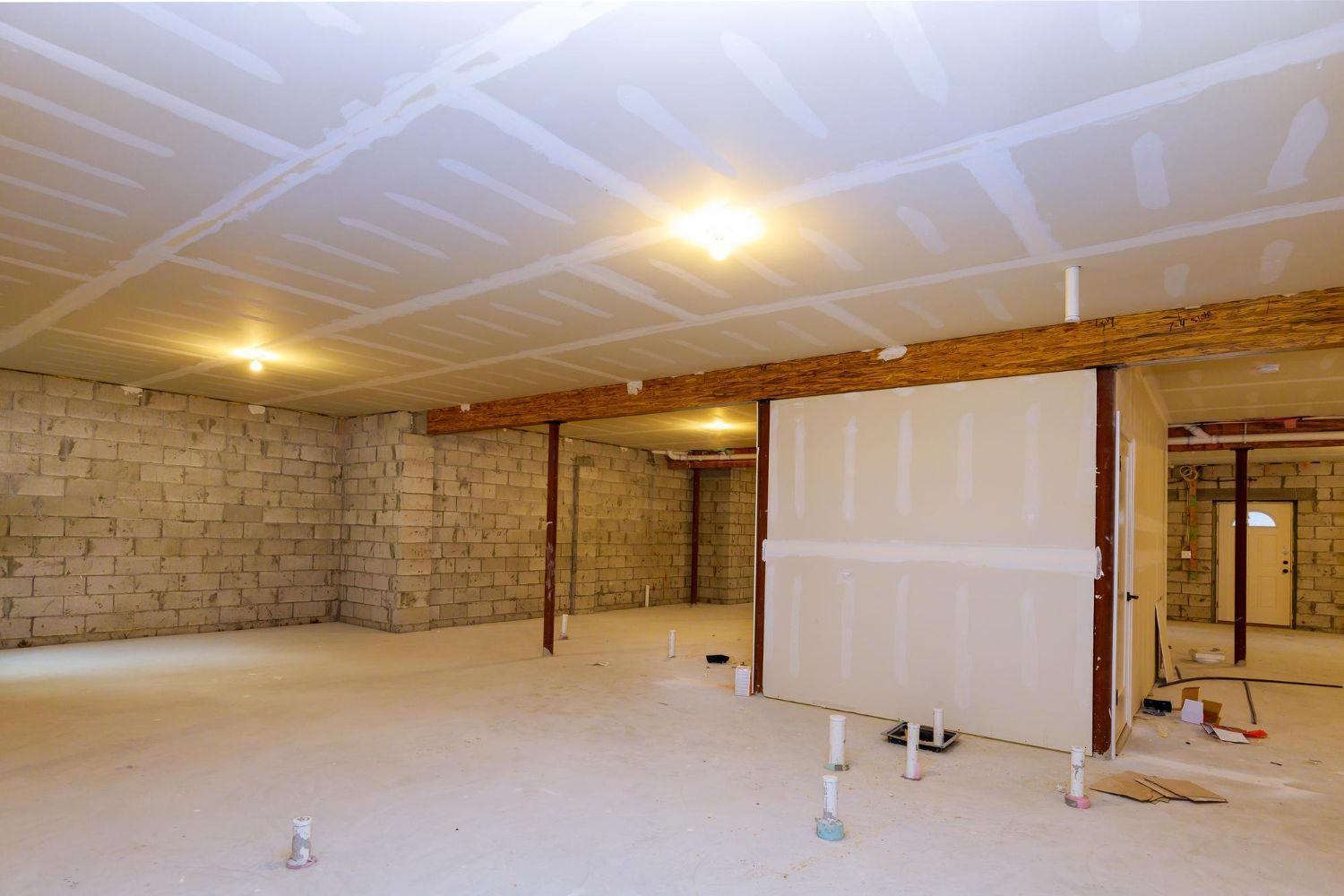
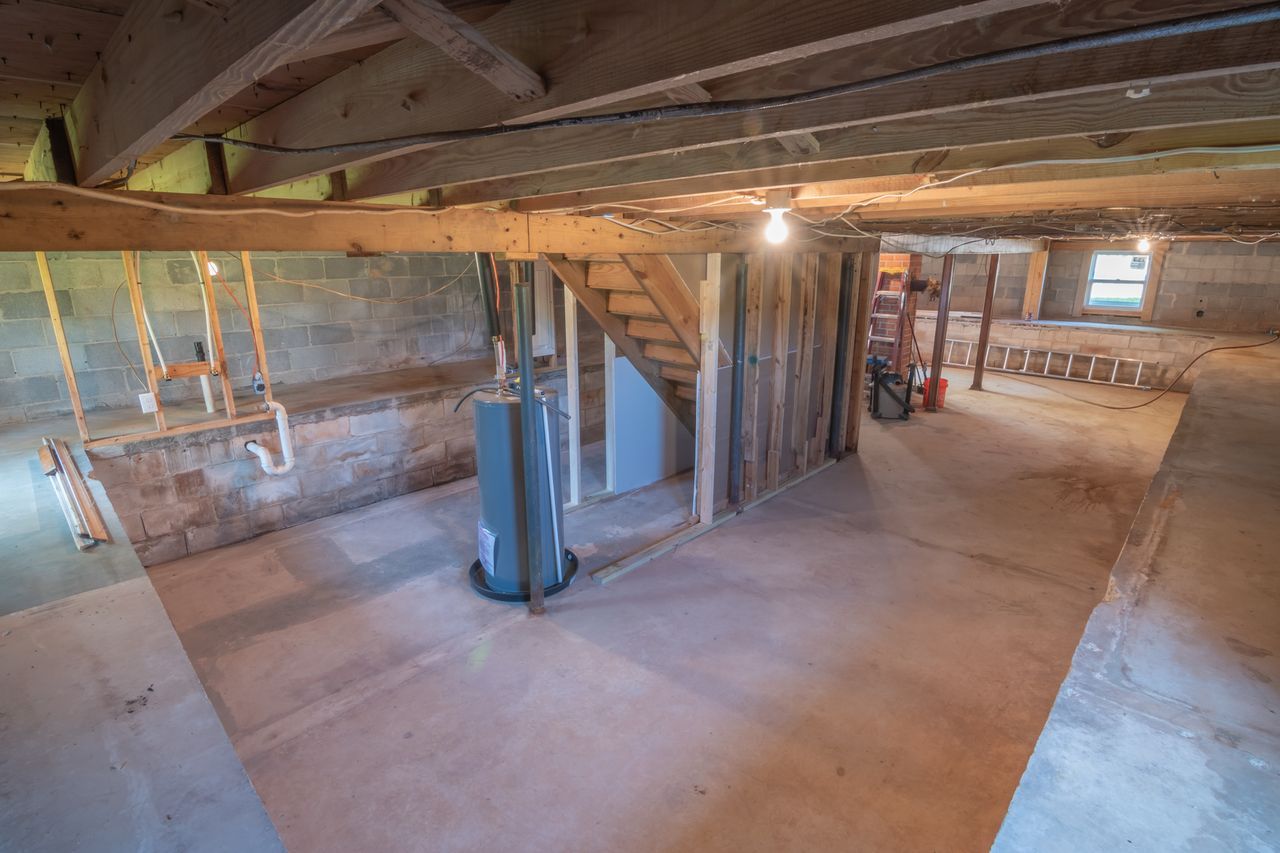
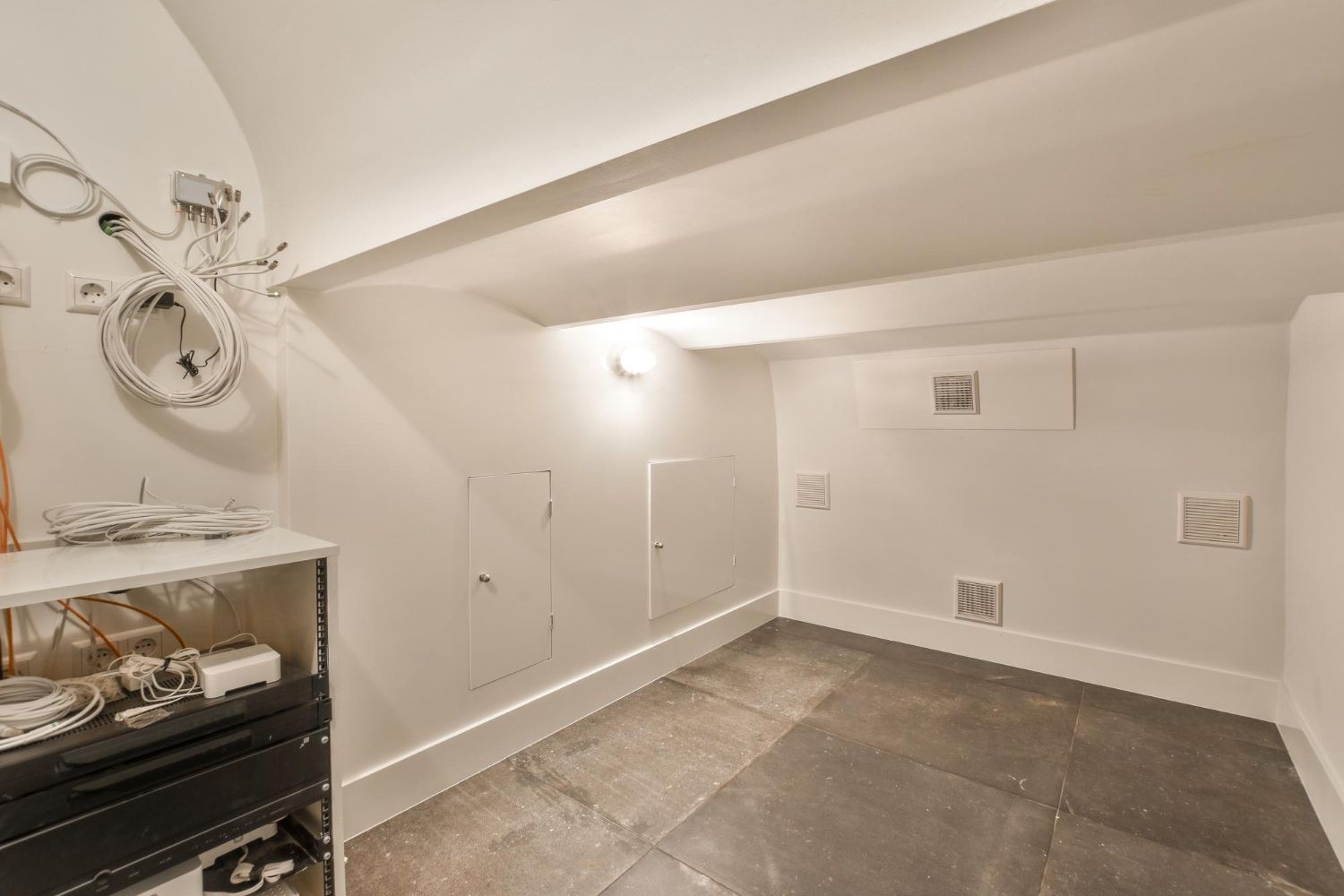
The ceiling itself is often the biggest concern in a basement, and there are creative ways to treat it without losing precious inches. In some homes, painting exposed joists and mechanicals a single light color gives a loft-like look and slightly more headroom than a traditional drop ceiling. In others, a slim drywall ceiling with carefully placed access panels is the best way to keep everything tidy.
We pay special attention to soffits, since they can easily chop up a low ceiling. Instead of boxing around every run of ductwork separately, it may work better to:
- Combine soffits into a single continuous band
- Run them along one side of the room instead of through the middle
- Align beams or faux beams with the longest dimension of the room
Visual tricks like subtle stripes, linear ceiling elements, or slightly deeper color at the edges can all draw the eye outward instead of downward. While planning these details, we also have to think about practical factors that come with remodeling in Maryland, such as minimum ceiling heights for finished space, access to plumbing and HVAC, and the right insulation or sound control for comfort.
Natural light multiplies all these efforts. Even in partially below-grade spaces, slightly larger windows or a well-placed egress window can change how the ceiling feels. When possible, we explore options like:
- Enlarging existing window openings within structural limits
- Adding egress windows to meet code for bedrooms or living spaces
- Using window wells or light wells to pull daylight deeper into the room
Inside, we like to keep window treatments simple and light. Sheer panels, minimal shades, and light-colored window frames let every bit of daylight in. A mirror opposite a window, or glass doors between rooms, can bounce that light around so the entire basement feels brighter and taller.
Storage, Comfort, and Local Code Considerations
Clutter is the enemy of a low ceiling. Tall bookcases, big plastic bins, and random shelving units can make you feel like the walls and ceiling are closing in. Built-ins that hug the walls make storage feel intentional instead of overwhelming.
Some storage ideas that work especially well in low basements include:
- Shallow wall-to-wall shelving or cabinets
- Under-stair drawers or pull-out compartments
- Wall-mounted media units instead of bulky TV stands
- Closed cabinets for toys, tools, and seasonal items
Keeping the central floor area open not only looks better, it also helps with circulation and safety, which is important in a space with a lower ceiling height.
Speaking of safety, a comfortable, code-compliant basement needs more than good looks. When planning a remodel in Maryland, it is important to think about:
- Minimum ceiling heights for habitable rooms
- Proper electrical layout and outlet spacing
- Egress requirements for bedrooms or sleeping areas
- Moisture control and waterproofing
- Ventilation and HVAC so the air feels fresh year-round
Basements in the Mid-Atlantic region can be prone to moisture, so we pay close attention to drainage, insulation, and materials that can handle potential humidity. Working with someone familiar with local codes and permitting helps ensure that the beautiful design you want also works safely and legally for your home and family.
When layout, lighting, finishes, ceiling design, natural light, and storage all support each other, a low-ceiling basement can feel surprisingly open and inviting, without the need for major structural changes.
Get Started With Your Project Today
If you are ready to upgrade your bathroom with trusted experts in
remodeling in Maryland, our team at Bathroom Remodeling of Maryland, Inc. is here to help. We take the time to understand your goals, budget, and style so your new space fits your everyday life. Share a few details about your project and we will follow up with tailored recommendations and next steps. To schedule a consultation or ask questions, simply
contact us.