Creating an Accessible Bathroom for All Ages
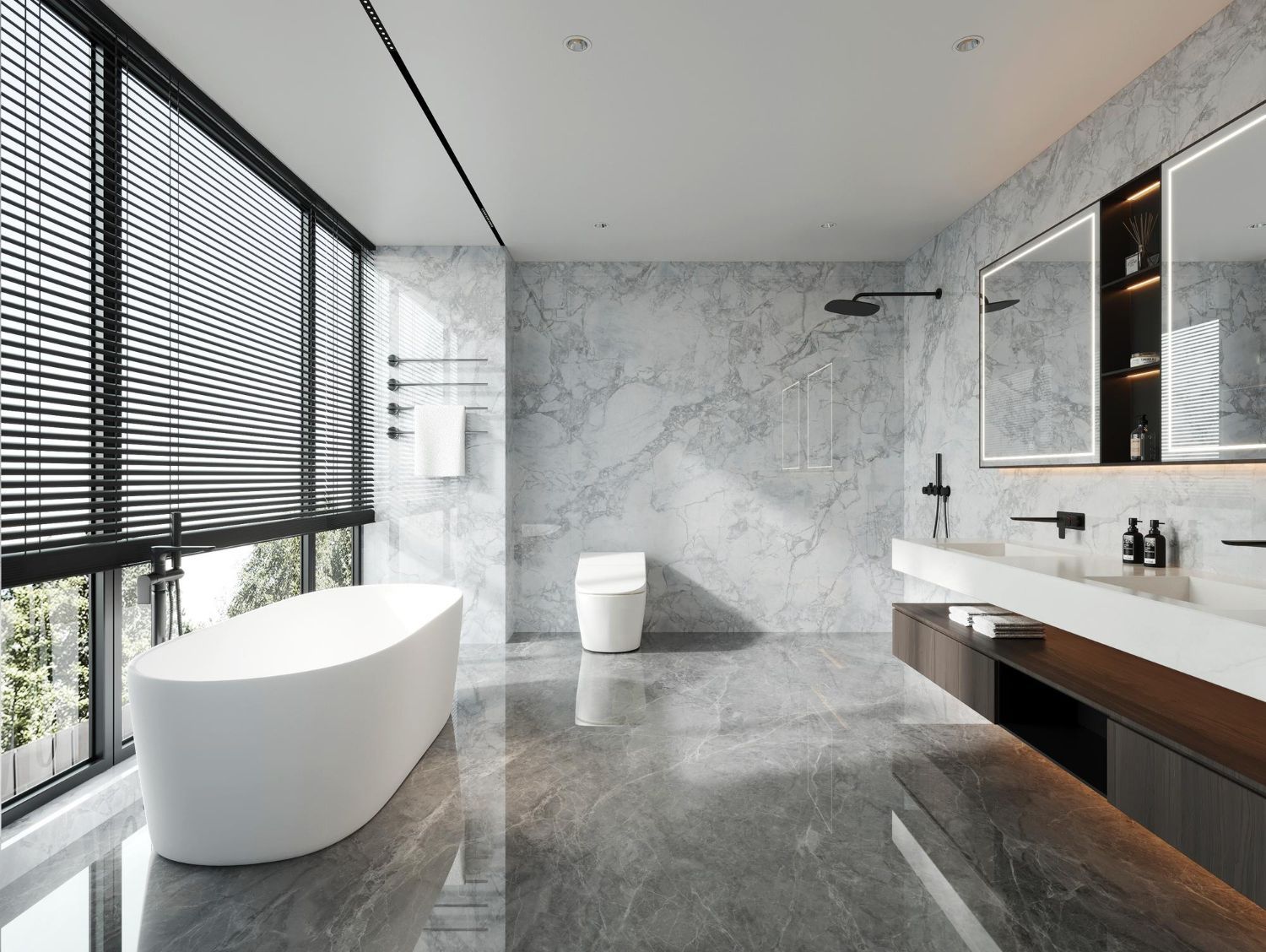
Creating a bathroom that is accessible for all ages is not just about convenience—it's also a step toward ensuring safety and inclusivity in the home. Think about the peace of mind it provides, knowing that every family member, from the little ones to the elderly, can use the space comfortably without the risk of accidents. As families grow and change, having a bathroom that adapts to everyone's needs is not only sensible but also forward-thinking. People are becoming more aware that accessibility doesn’t mean compromising on style or function.
A vital part of this process involves collaborating with professionals who understand the nuances of bathroom renovations tailored for accessibility. Custom bathroom contractors are equipped with the knowledge to make these spaces both user-friendly and aesthetically pleasing. Their expertise ensures that all aspects of a remodel consider the unique requirements of different users, bringing a touch of usability and elegance to the heart of the home.
Assessing Accessibility Needs
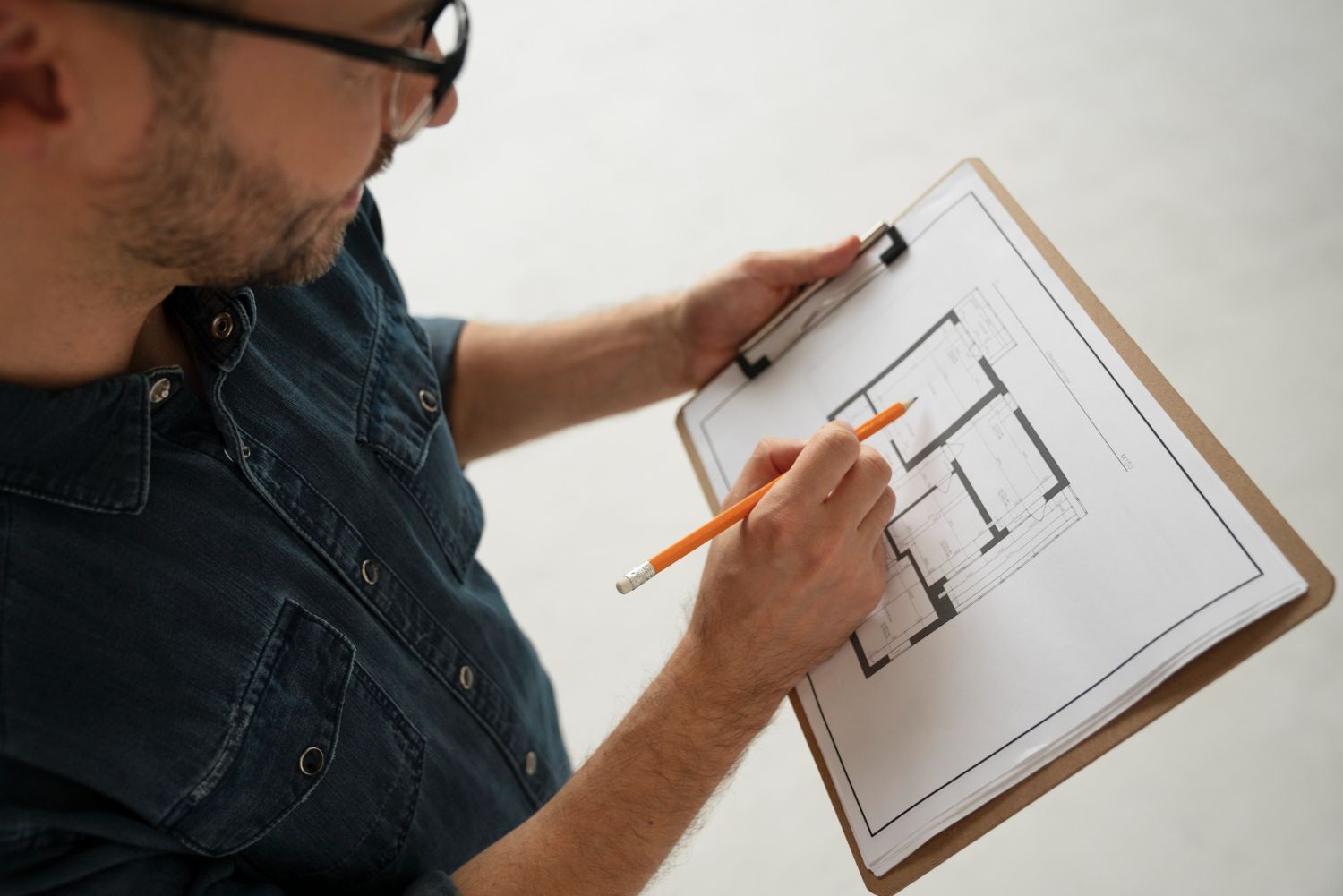
Start by evaluating what's already in place, and think about how the space is currently used. Are there obstacles that might hinder easy movement, such as tight corners or high thresholds? Gather your family and walk through the space together, noting areas where improvements could make a real difference. By involving everyone in the discussion, you can catch things you might overlook and begin to see the bathroom through different lenses.
Once you have a list, it’s time to prioritize.
- Wide Doorways and Adequate Space: Make sure the bathroom entrance is wide enough for wheelchairs or walkers, and that there's enough room for easy navigation.
- Grab Bars and Handrails: These are crucial for support, especially near areas like the toilet and shower.
- Non-slip Surfaces: Floors should be slip-resistant to prevent falls. Consider materials that offer both style and safety.
- Low Mirrors and Adjustable Countertops: Think about different heights and how adjusting these can create greater comfort.
By understanding these needs, you can begin to map out a plan that addresses most, if not all, concerns. Keep in mind that doing this now saves a lot of trouble later. It’s about creating a place where every family member feels secure, irrespective of age or ability.
Key Design Elements for Accessibility
Design plays a huge role in making a bathroom easy to use for everyone. One of the first things to consider is non-slip flooring. Slippery surfaces pose a risk, especially when wet, so picking materials that help prevent slips while still looking good is important. Think about textured tiles or vinyl, which can provide a secure footing without compromising on style. Along with safe floors, ensure the paths within the bathroom are easy to navigate and free of unnecessary barriers.
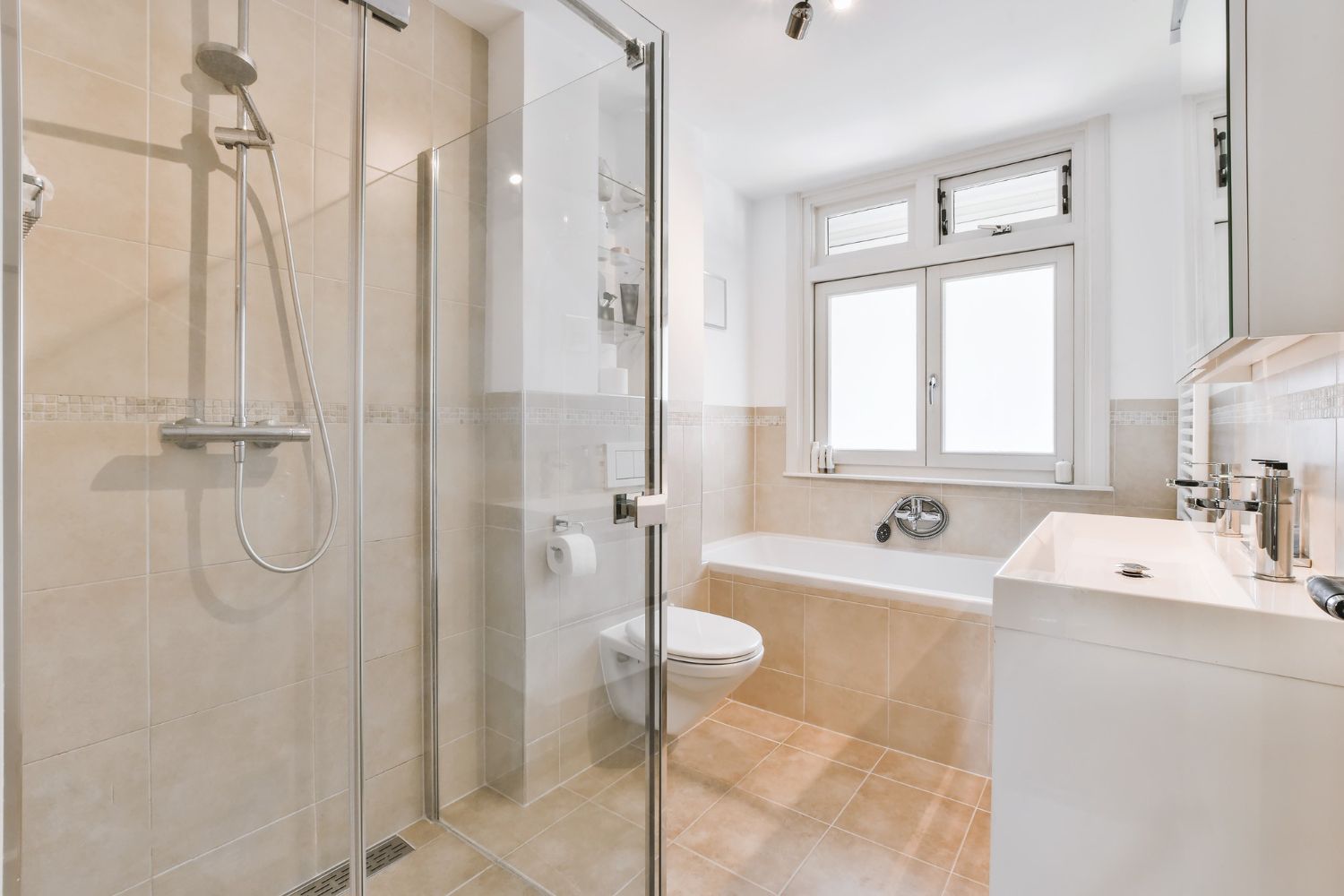
Grab bars and handrails are not just for hospitals. When strategically placed, these features can offer crucial support, helping users to move confidently around the bathroom. Placing them by the bathtub, shower, and toilet can make a big difference for those with limited mobility. Also, explore the option of installing walk-in tubs and barrier-free showers. These options remove the challenge of climbing in and out, catering to both the young and the old.
Functional and Stylish Fixtures
Blending functionality with style when choosing fixtures can enhance accessibility without losing aesthetic appeal. User-friendly faucets and handles are a must. Lever-style handles, for example, are easier to operate than knobs. They look great too, adding a modern touch to the bathroom. Adjustable showerheads and handheld units provide flexibility and ease of use, accommodating various needs and preferences.
Lighting is another critical factor. Well-planned lighting not only improves visibility but also adds warmth and comfort. Opt for light fixtures that can be easily controlled and are positioned to illuminate all areas of the bathroom. Dimmable lights can offer flexibility, allowing users to adjust the brightness according to their needs.
Partnering with a Custom Bathroom Contractor
Incorporating these accessibility features involves more than just picking the right items—execution is key. Choosing a knowledgeable contractor ensures that all elements are installed correctly and efficiently. When selecting a contractor, look for experience in accessibility projects. Check references and past work to gauge their expertise.
Once you've partnered with a skilled professional, collaborate closely with them. Communicating your family's unique requirements ensures that the finished bathroom reflects your needs and enhances functionality. A good contractor will provide guidance and suggest modifications to further improve the space.
Making It Personal and Aesthetic
While practicality is vital, that doesn't mean compromising on personal style. Balance functionality with design elements that reflect your taste. Customizations, such as choosing a color palette or decorative fixtures, personalize the space while maintaining accessibility. These small touches can make the bathroom feel inviting and uniquely yours.
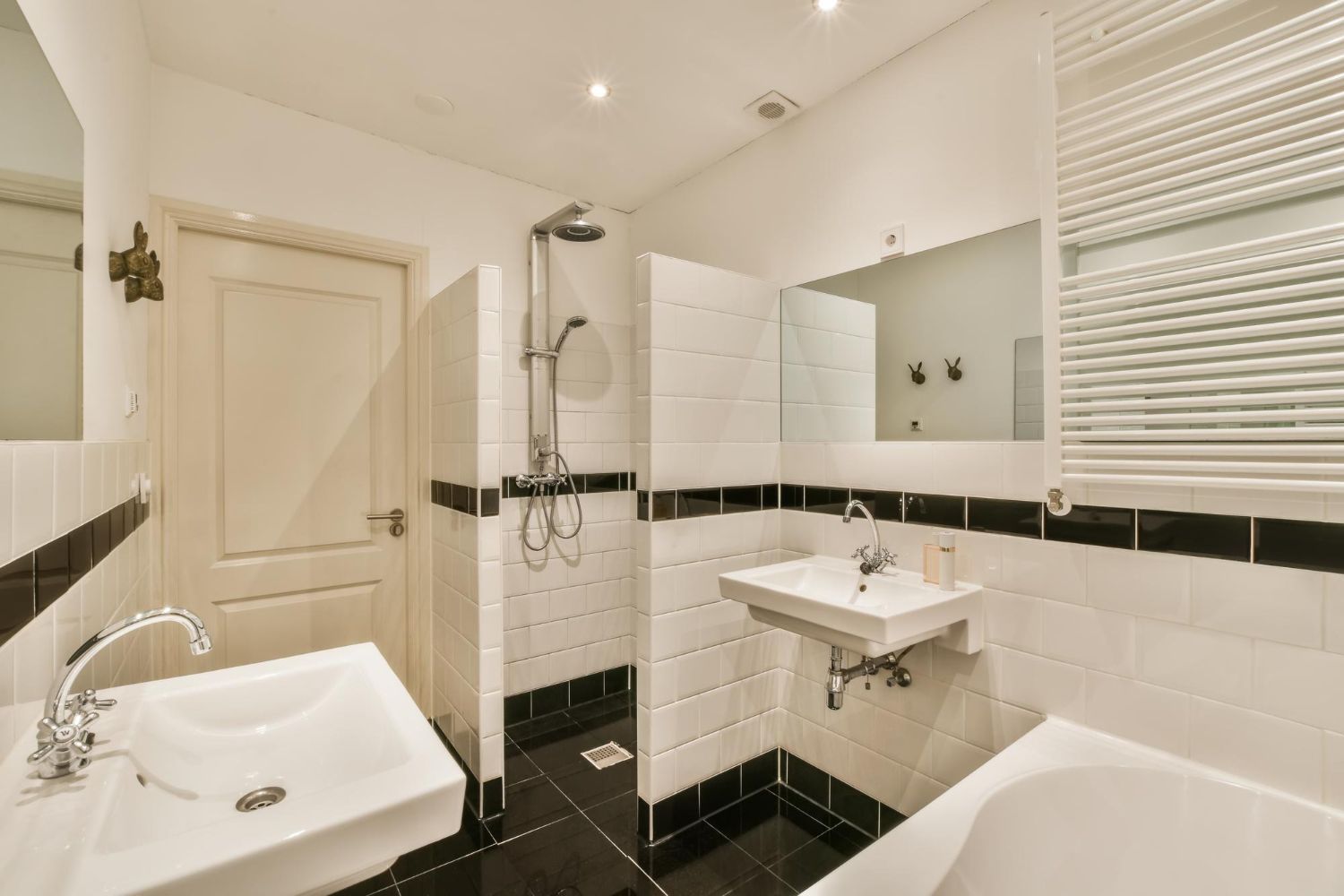
Wrapping up, successful examples include sleek handrails that blend into the decor, or cheerful tiles that add a splash of color while being practical. With thoughtful planning and skilled execution, an accessible bathroom can be as stylish as it is functional.
Embrace the future by creating a bathroom that is accessible and stylish for everyone in your family. At Bathroom Remodeling Of Maryland, Inc., we specialize in
quality bathroom renovations that meet your specific accessibility needs while reflecting your unique taste. Our expert team is committed to transforming your space into a secure, elegant haven that caters to all ages. Let us help you design a bathroom where safety and aesthetics blend seamlessly for a harmonious home environment.