Questions to Ask Basement Contractors in Columbia, MD Before You Sign
Protect Your Investment Before You Hire a Pro
Hiring basement contractors in Columbia, MD is a big decision. Your basement or bathroom remodel will affect how your home feels every single day, and it can also affect resale value. The right contractor keeps your project on track, protects your budget, and delivers a space that feels finished, solid, and comfortable.
Asking smart questions before you sign a contract is one of the best tools you have. Clear answers can help you avoid surprise change orders, slowdowns, and finishes that do not feel quite right. Not every contractor works the same way, so it is important to look at experience, process, and communication, not just the bottom line on a bid.
When we meet with homeowners, we encourage them to bring a list of questions. That way you are comparing real information, not just gut feelings or quick estimates. Below are some of the key questions we think every homeowner should ask before choosing a contractor for a basement or bathroom project.
Vetting Basement Experience and Local Expertise
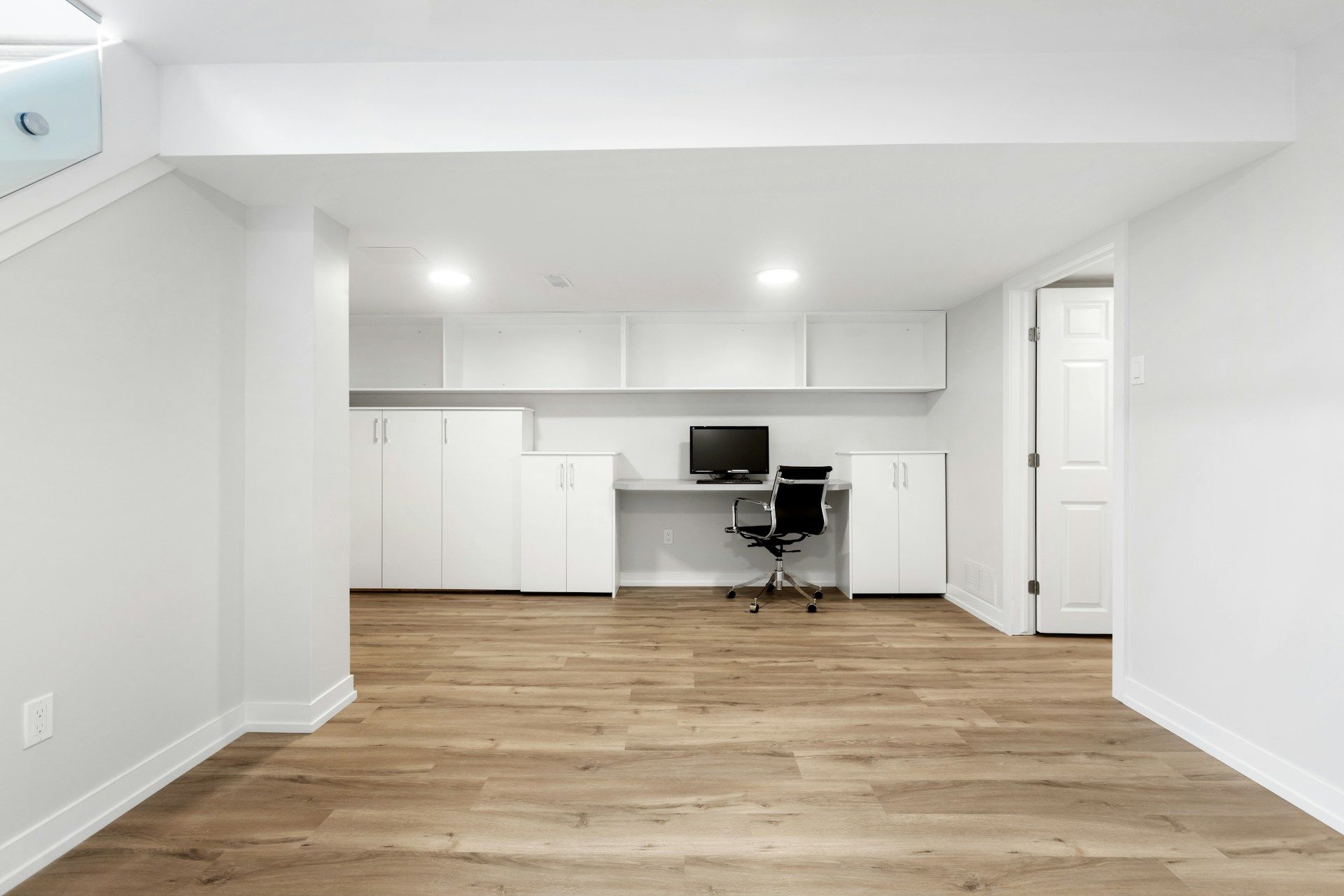
Your basement is different from the rest of your home. It is below grade, often cooler and more humid, and it needs special care. Before you hire anyone, ask: “How many basements like mine have you finished in Columbia, MD?” and “Do you specialize in moisture-prone, below-grade spaces?”
The answers will tell you a lot. A contractor who really knows basements in this area understands things like common soil conditions, how water tends to move around foundations, and what local inspectors look for.
Ask for:
- A portfolio of completed basement projects
- References from homeowners in Columbia or nearby towns
- Proof of licensing and insurance that covers basement remodeling work
Local code knowledge matters too. Howard County inspections have specific requirements for:
- Egress windows and emergency exits
- Ceiling heights and soffits around ducts or beams
- Proper insulation and fire blocking
When a contractor is comfortable with these rules, the project tends to move more smoothly, with fewer delays for corrections.
Checking Bathroom Design Skills and Craftsmanship
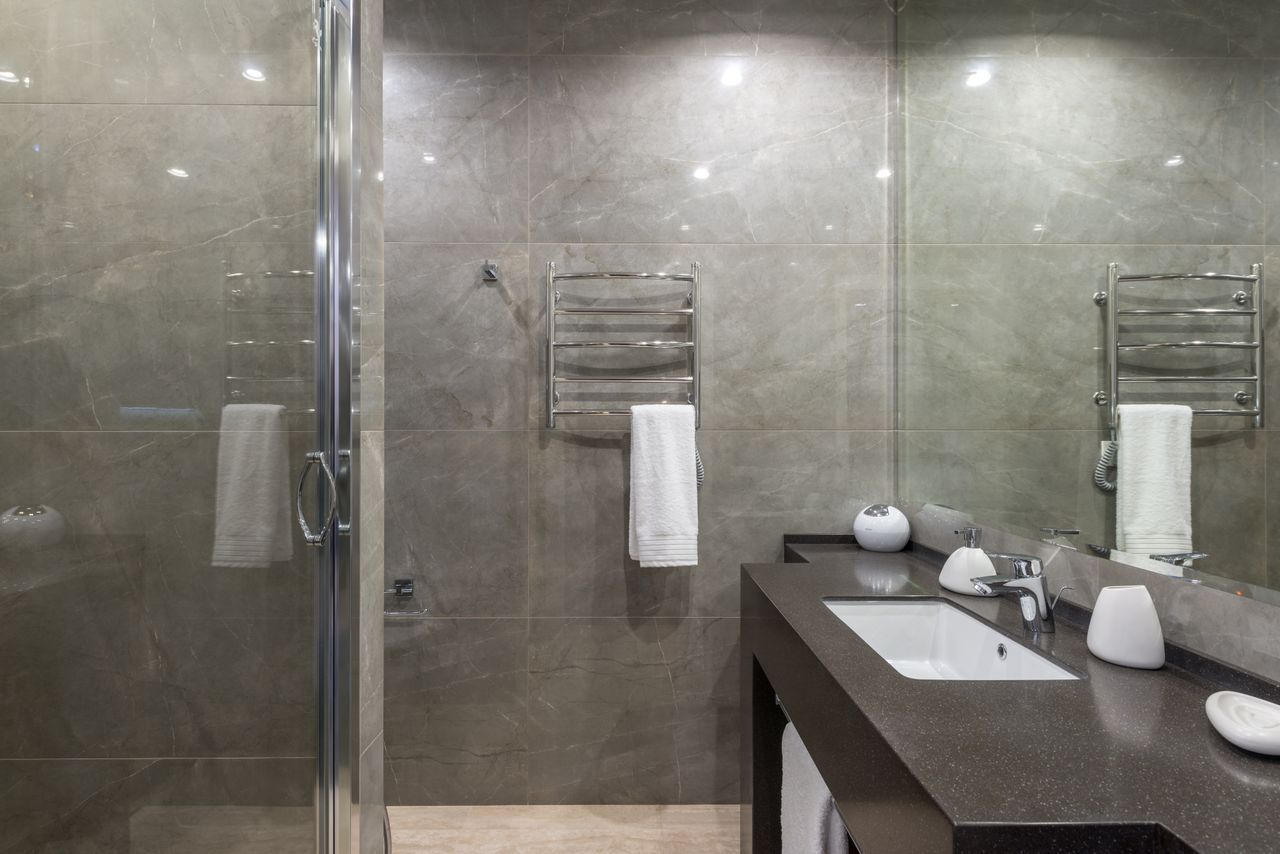
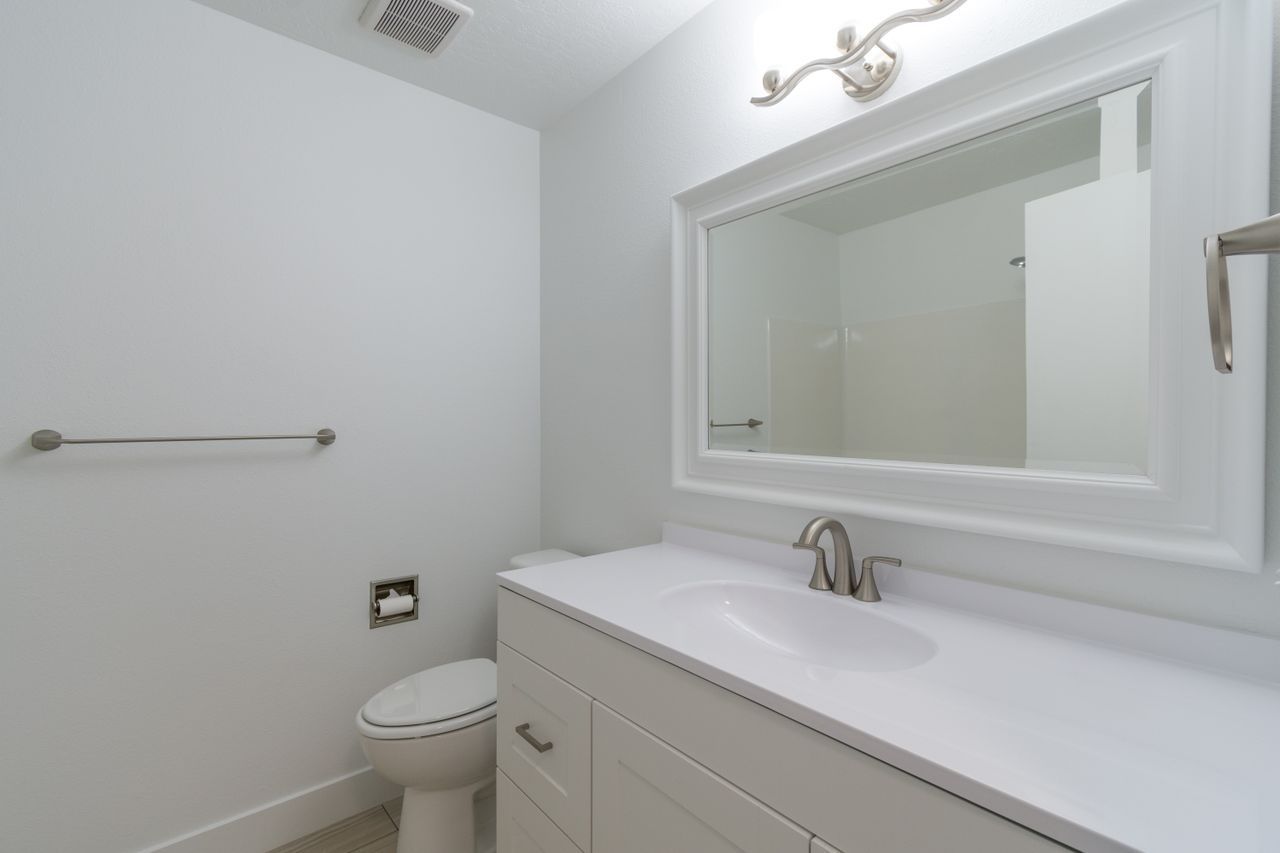
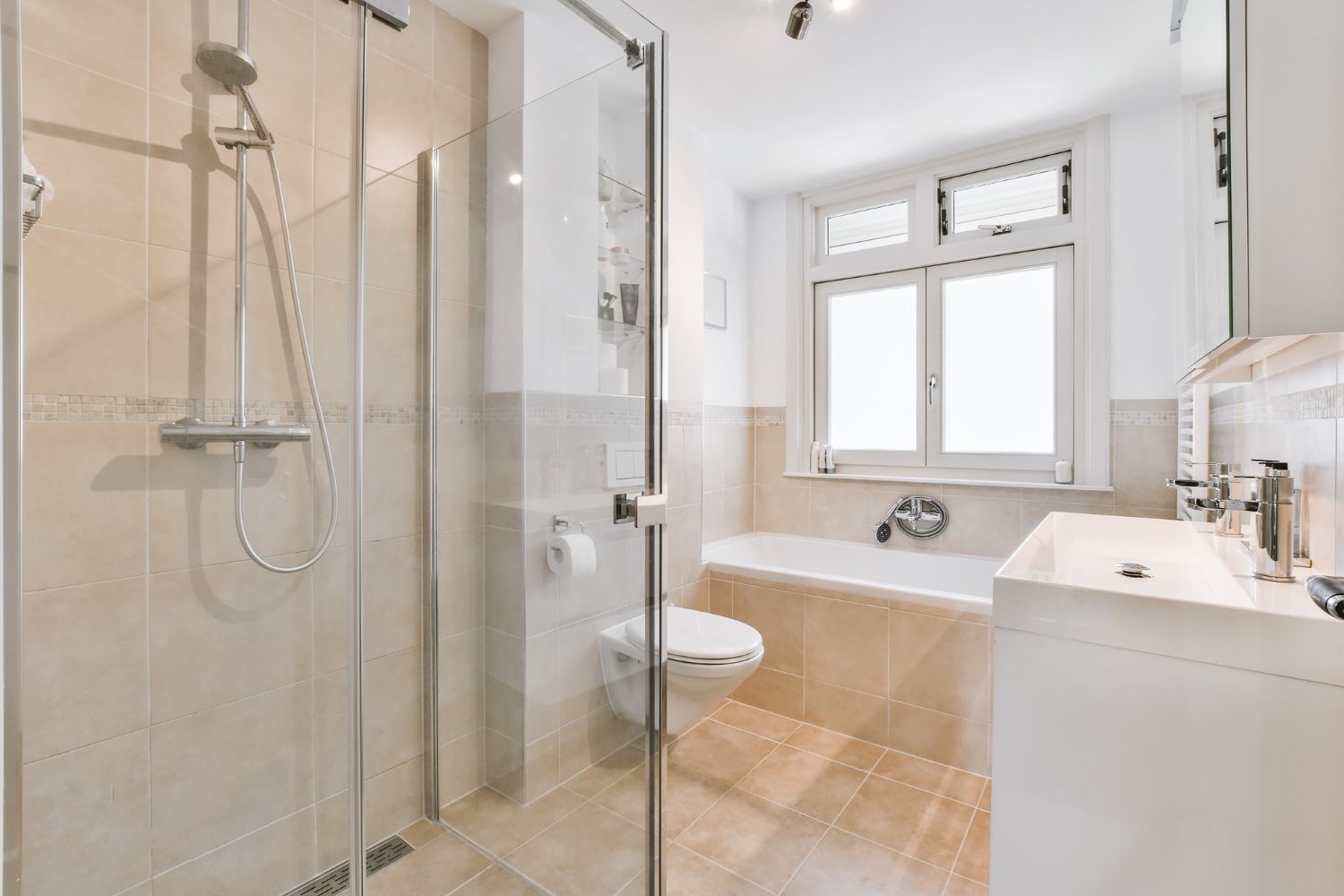
If your basement plan includes a bathroom, or if you are redoing an upstairs bath, you will want to ask some extra questions. Try: “Do you provide design help for bathrooms, or should I hire a separate designer?” and “Can I see recent bathroom projects with similar layouts or challenges?”
Bathrooms bring together plumbing, electrical, tile, cabinets, and ventilation in a tight space. The design and installation both have to be right. Look for a contractor who can talk clearly about:
Waterproofing behind tile in showers and around tubs
Proper slopes to drains so water does not pool
Smart fixture placement for comfort and easy use
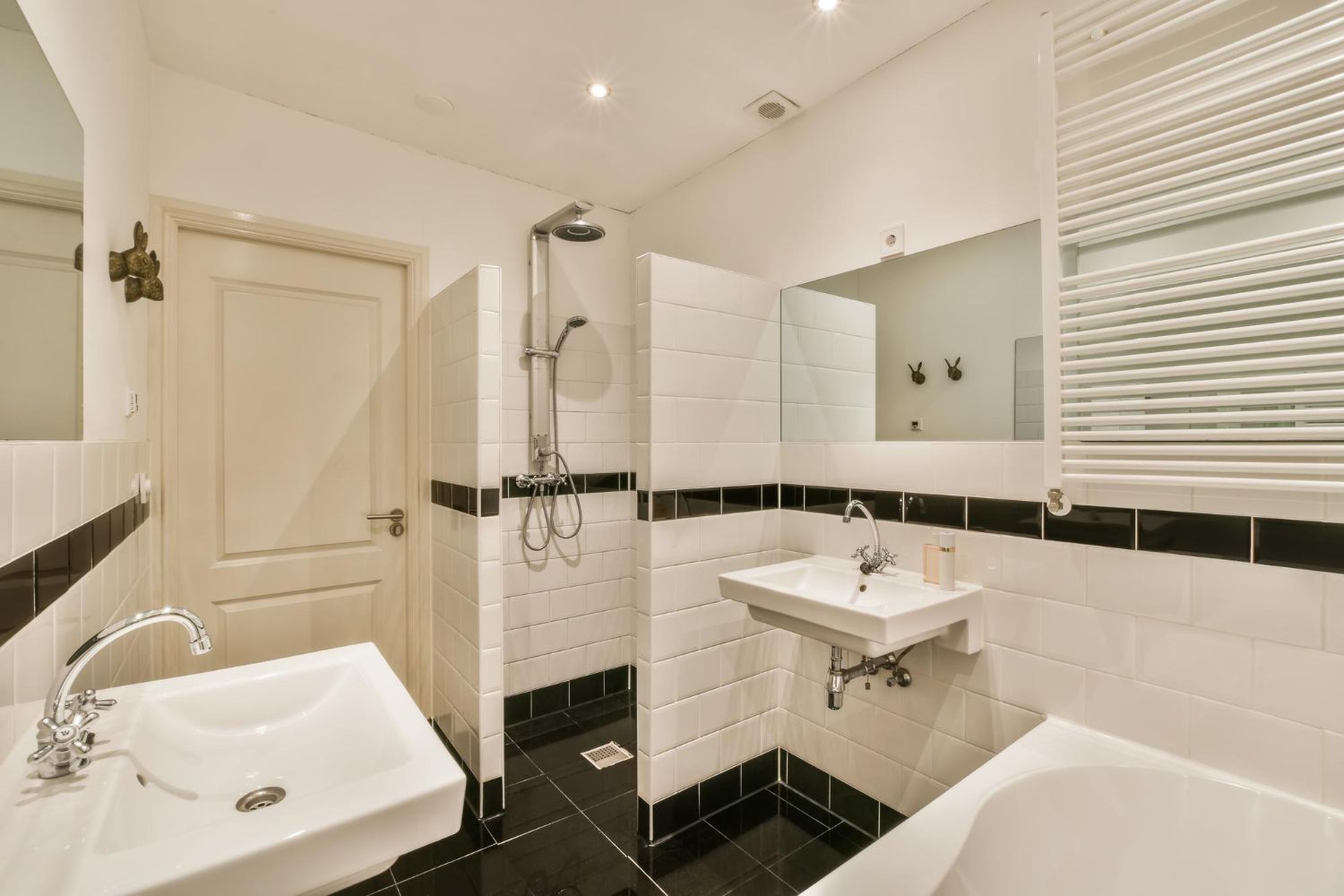
When you look at past work, pay close attention to the small details. Check how even the grout lines are, how straight the tile cuts are, and how neat the caulk joints look. Ask how they handle ventilation, especially in basement bathrooms where humidity can build up quickly. These details tell you how much care they bring to comfort, durability, and style.
Clarifying Basement Scope, Budget, and Schedule
A clear scope of work protects both you and your contractor. Before you sign, ask: “What exactly is included in this basement proposal, and what could trigger additional costs?” and “What is the realistic start and completion date?”
A good proposal usually breaks work into clear parts, such as:
- Framing and insulation
- Electrical and lighting
- Plumbing for any bathrooms or wet bars
- Drywall, trim, and paint
- Flooring, doors, and finishes
- Permits and inspections
This kind of line-item estimate helps you see what you are getting and reduces confusion later. It also makes it easier to compare bids. If one contractor lists every step and another only lists “finished basement,” that is a warning sign.
You should also ask how they handle change orders and surprises, like hidden damage or structural issues behind existing walls. Ask for:
- Change order procedures in writing
- Who decides when extra work is needed
- How often they will update you on the schedule
Clear policies make it easier to keep your project calm and steady, even if something unexpected turns up.
Understanding Bathroom Materials, Warranties, and Code
Bathrooms have to stand up to daily use and a lot of moisture. When you talk about finishes, ask: “Which bathroom materials do you recommend, and why?” Pay special attention to moisture-resistant backer boards, quality ventilation fans, and finishes that are easy to keep clean.
Good questions include:
- What type of backer board do you use behind shower tile?
- How do you size and place the exhaust fan?
- Which grout and caulk products do you like for long-term performance?
You should also talk about warranties. Ask what is covered under product warranties and what is covered under the contractor’s labor warranty. Then ask how they handle warranty claims once the job is done, so you know who to call if something needs attention.
Code compliance is a big part of bathroom safety, especially in basements. Confirm that all work will meet or exceed local plumbing and electrical codes. Check that they plan for GFCI protection near sinks and in unfinished areas, and that exhaust fans vent to the outside, not just into a ceiling space.
Confirming Basement Structural and Moisture Planning
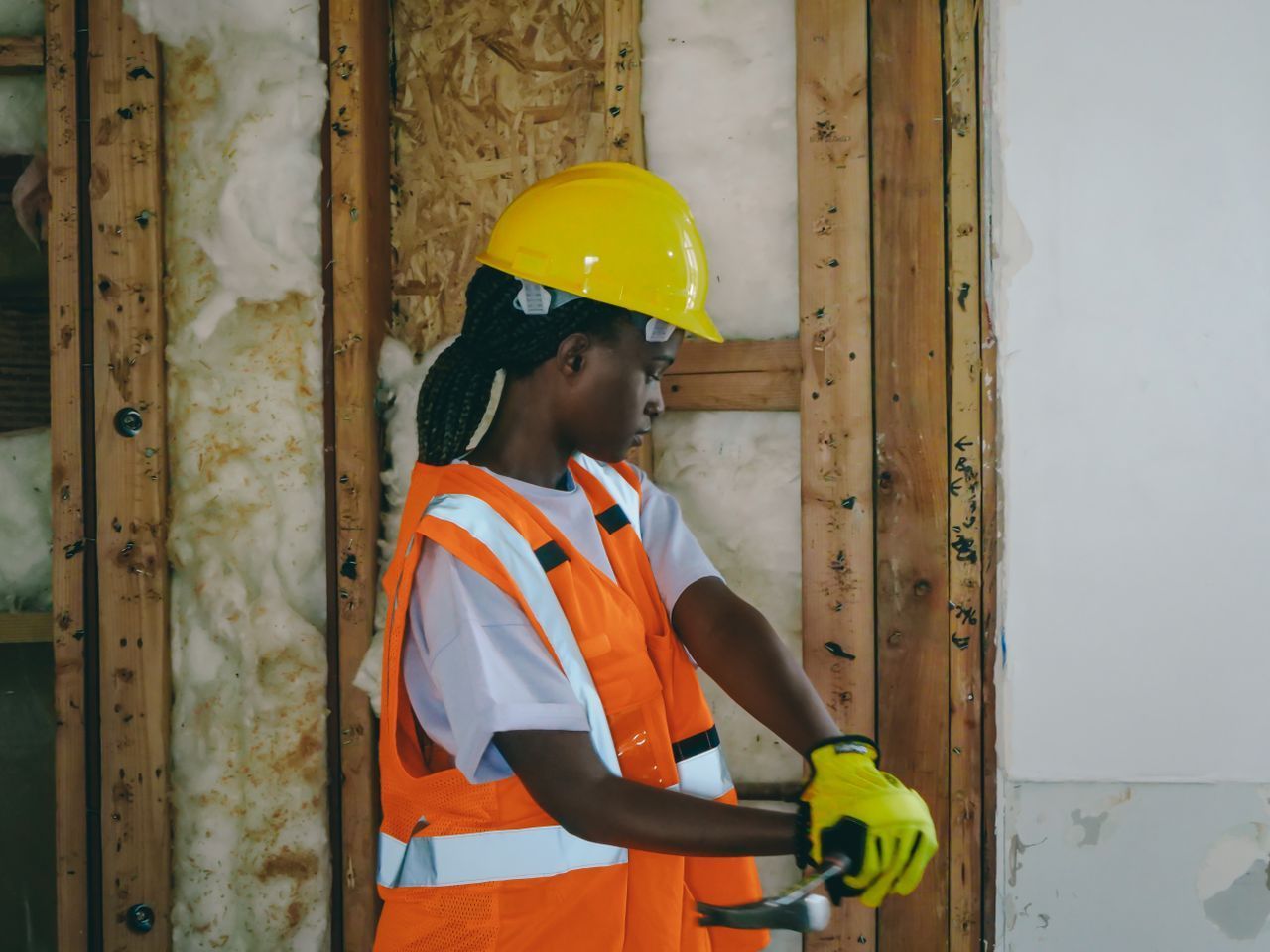
Beyond finishes, a solid basement project depends on how your contractor handles structure and moisture. Ask: “How will you check for existing water issues?” and “What is your process if you discover structural concerns during demolition?”
Look for a contractor who can explain:
- How they inspect for foundation cracks or past water intrusion
- When they recommend sump pumps, drainage improvements, or vapor barriers
- How they coordinate with structural engineers if needed
These answers show whether they are planning for long-term performance, not just a quick cosmetic upgrade.
Planning Bathroom Layout for Comfort and Accessibility
For bathrooms, layout has a big impact on everyday comfort. Ask: “How do you plan clearances around toilets, vanities, and showers?” and “Can you suggest changes that would make the bathroom easier to use over time?”
A thoughtful contractor should be able to discuss:
- Door swings and walkway space
- Shower entry and grab bar blocking in walls
- Vanity heights, lighting placement, and storage access
Good planning here can make the room more comfortable now and easier to use as your needs change.
Coordinating Basement Finishes with the Rest of Your Home
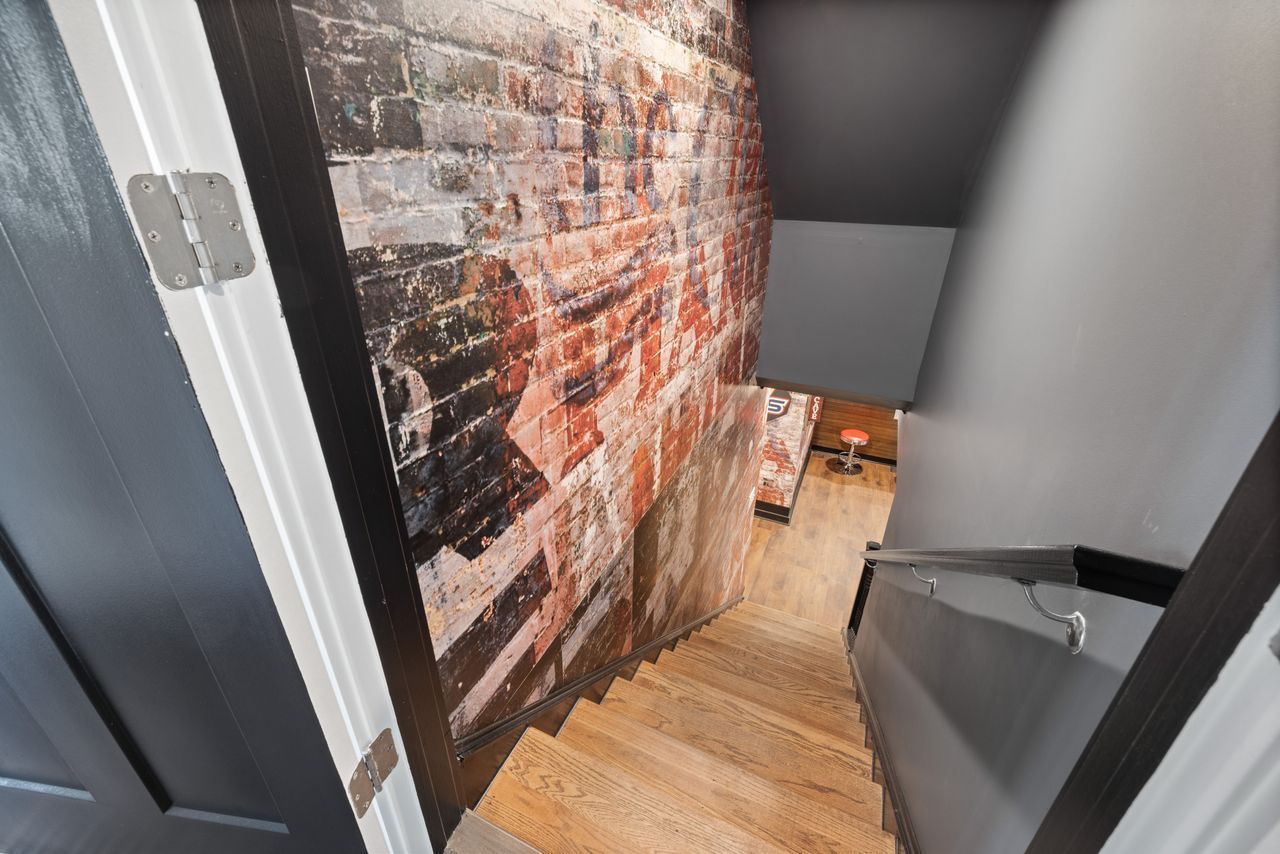
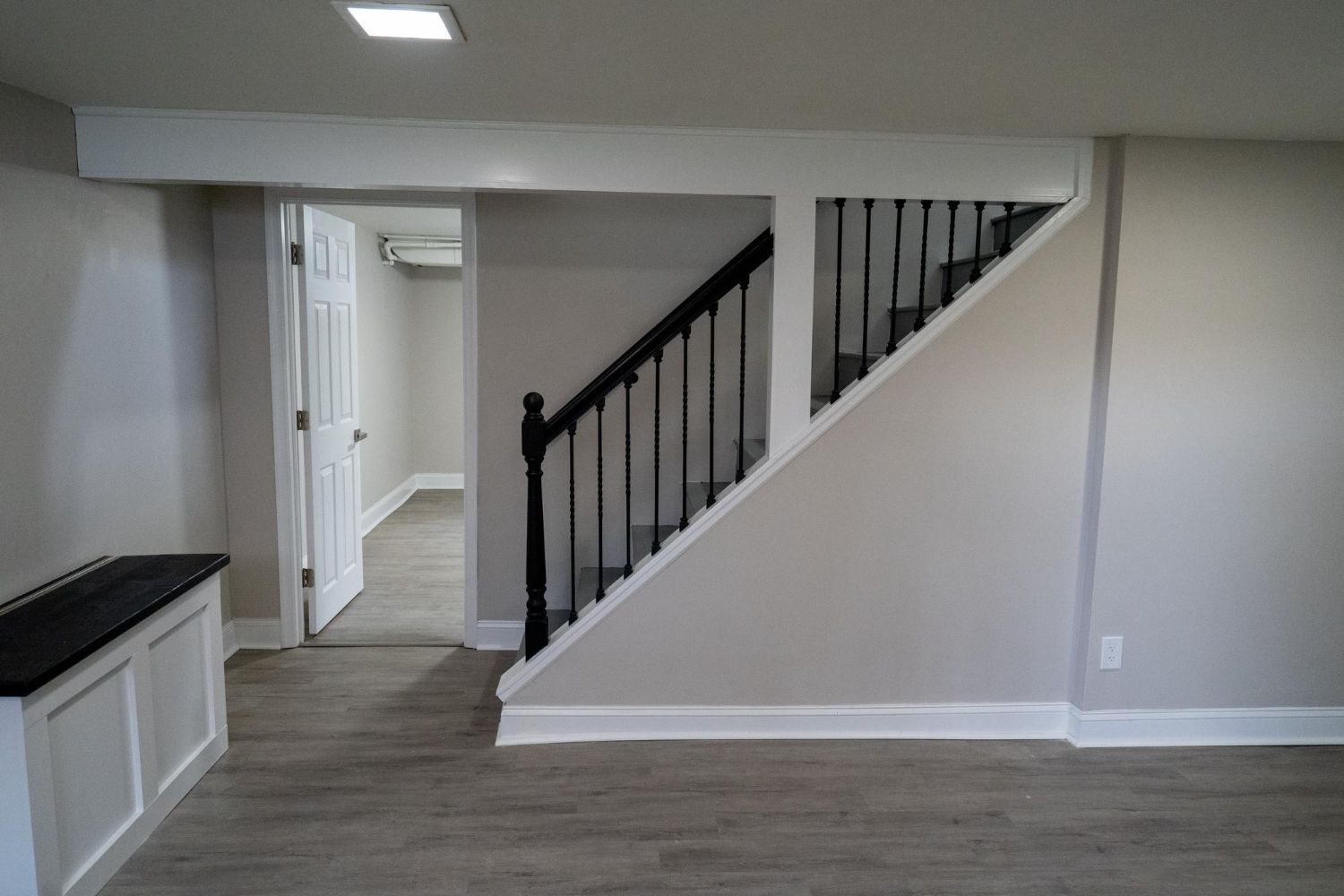
Your finished basement should feel connected to the rest of your home. Ask your contractor: “How will you help the basement feel like an extension of our main living spaces?”
They should be ready to talk about:
- Matching or complementing upstairs trim profiles and door styles
- Coordinating flooring transitions at stairs and landings
- Planning lighting so the space does not feel dark or closed in
Consistency in these details helps your basement feel like part of a complete home, not an afterthought.
Coordinating Bathroom Style with Existing Fixtures and Finishes
Similarly, your bathroom should work with the overall look of your home. Ask: “How will you help blend the new bathroom finishes with nearby rooms?” and “Can you show options that balance style, maintenance, and budget?”
Look for guidance on:
- Tile and countertop choices that coordinate with existing flooring or cabinetry
- Fixture finishes that match or thoughtfully contrast with other hardware
- Lighting that provides both task and ambient illumination
This kind of planning helps your new bathroom feel intentional and cohesive.
Comparing Basement and Bathroom Communication Styles
Even the best plan can feel stressful if communication is poor. Before you choose a contractor, ask: “Who will be my day-to-day contact?” and “How often will I receive updates on my basement or bathroom progress?”
Listen for clear answers like:
- A named project manager or lead carpenter
- Regular check-ins by phone, text, or email
- A simple system for questions and approvals
Also ask how they handle jobsite behavior. Good contractors should be able to explain how they will manage dust, protect flooring, and control access to different areas of your home.
Watch for red flags:
- Vague answers about who will be on site
- Constant switching of crews with no clear leader
- No plan for keeping you informed
A contractor who is open and organized usually delivers smoother basement and bathroom projects, with fewer surprises and less stress for your household.
Ready to Talk About Your Basement or Bathroom Remodel
When you ask thoughtful questions, you give yourself a better chance of picking the right partner for your home. You can compare bids based on real details, not just price, and you can spot mismatches before they become headaches. The same careful approach works for both basement renovations and bathroom remodels.
We encourage homeowners to write these questions down and bring them to every contractor meeting. At Bathroom Remodeling of Maryland, Inc., we are always glad to answer in detail and walk through our process for basements and bathrooms so you can feel confident before you sign anything.
Get Started With Your Project Today
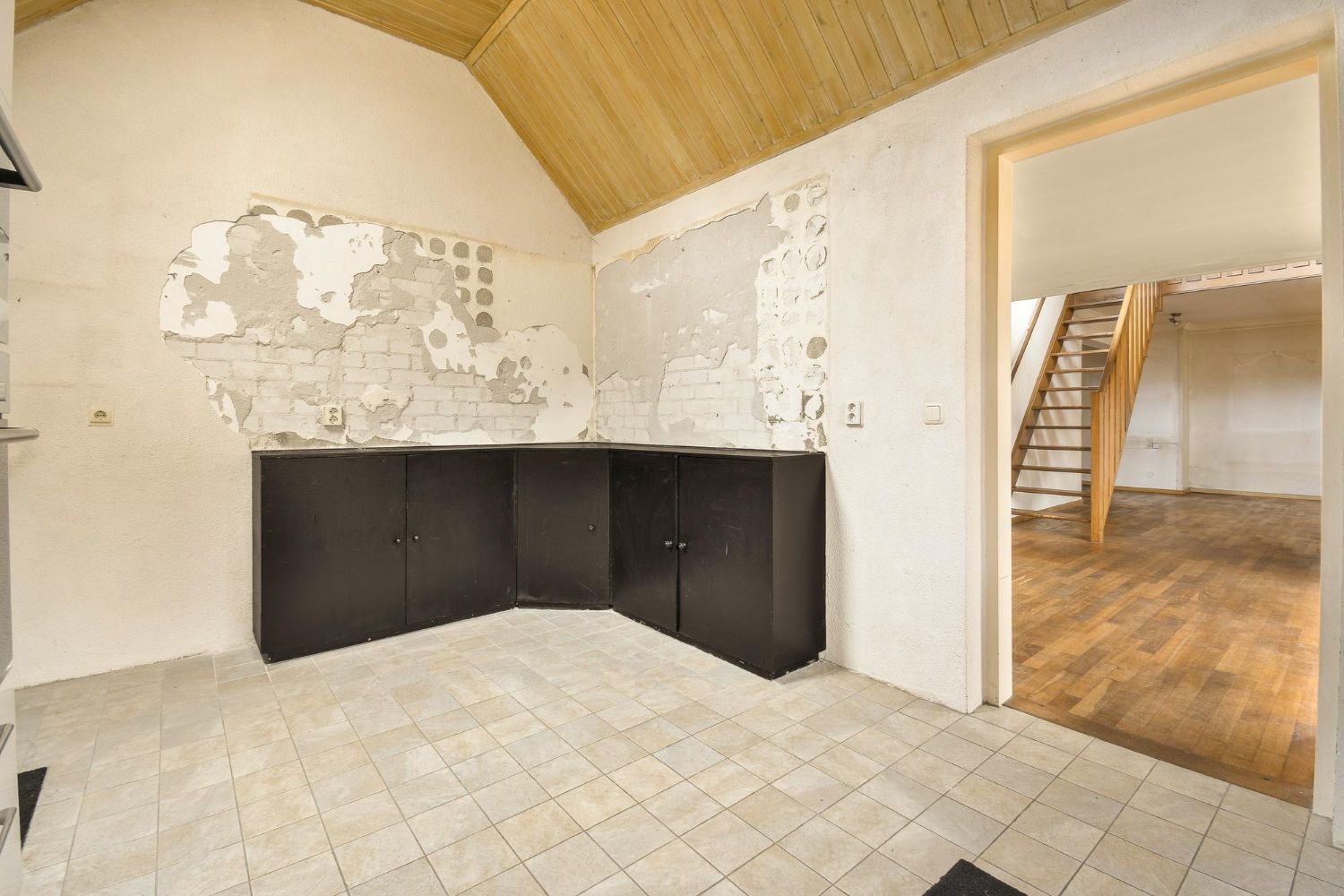
If you are ready to turn your unfinished or outdated basement into a space your family will actually use, our team is here to help. As experienced
basement contractors in Columbia, MD, Bathroom Remodeling of Maryland, Inc. will guide you through every step, from design to final walkthrough. Tell us about your goals, timeline, and budget, and we will provide a tailored plan that fits your home. Have questions or want to schedule a consultation now? Just
contact us to get started.