Hidden Waterproofing Details Maryland Bathroom Renovations Need
Hidden Waterproofing Details Maryland Bathroom Renovations Need
A bathroom renovation in Maryland should give you more than pretty tile and new fixtures. It should give you a space that stays dry, solid, and healthy for years, even with daily showers and heavy humidity. That only happens when the hidden waterproofing work behind the walls and under the floor is done right from the start.
At Bathroom Remodeling of Maryland, Inc., we see how small moisture mistakes can lead to big problems later. In this article, we will walk through the invisible systems that protect your new bathroom, why they matter so much in our region, and the key details you should insist on before anyone swings a hammer.
Why Maryland Homes Need Serious Moisture Protection
Maryland bathrooms deal with a lot of moisture stress. Our warm, humid summers, chilly winters, and changing temperatures cause building materials to expand and contract. Add in steamy showers, and you have a recipe for condensation, movement, and slow water damage if the space is not protected correctly.
Many homes in Maryland also have:
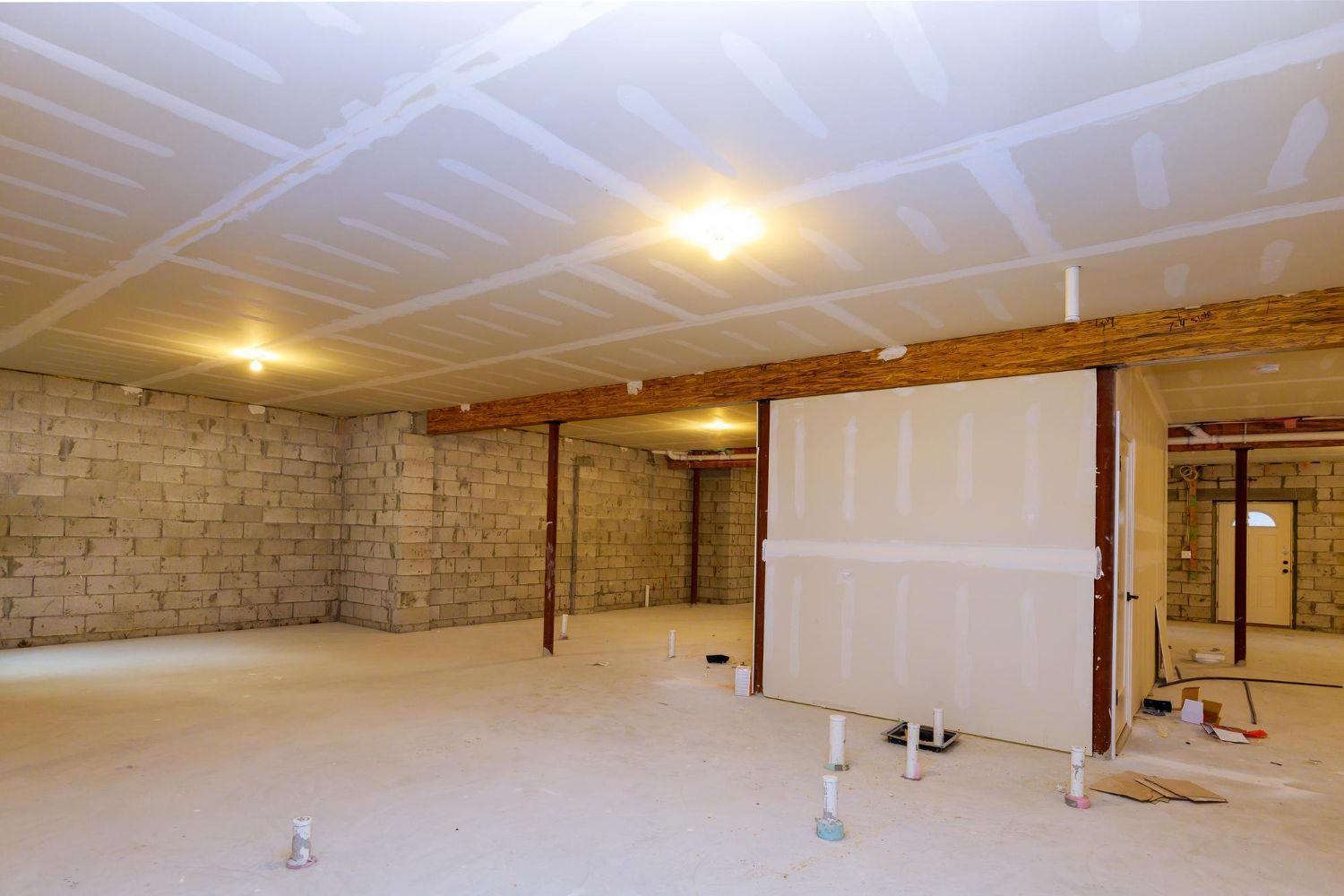
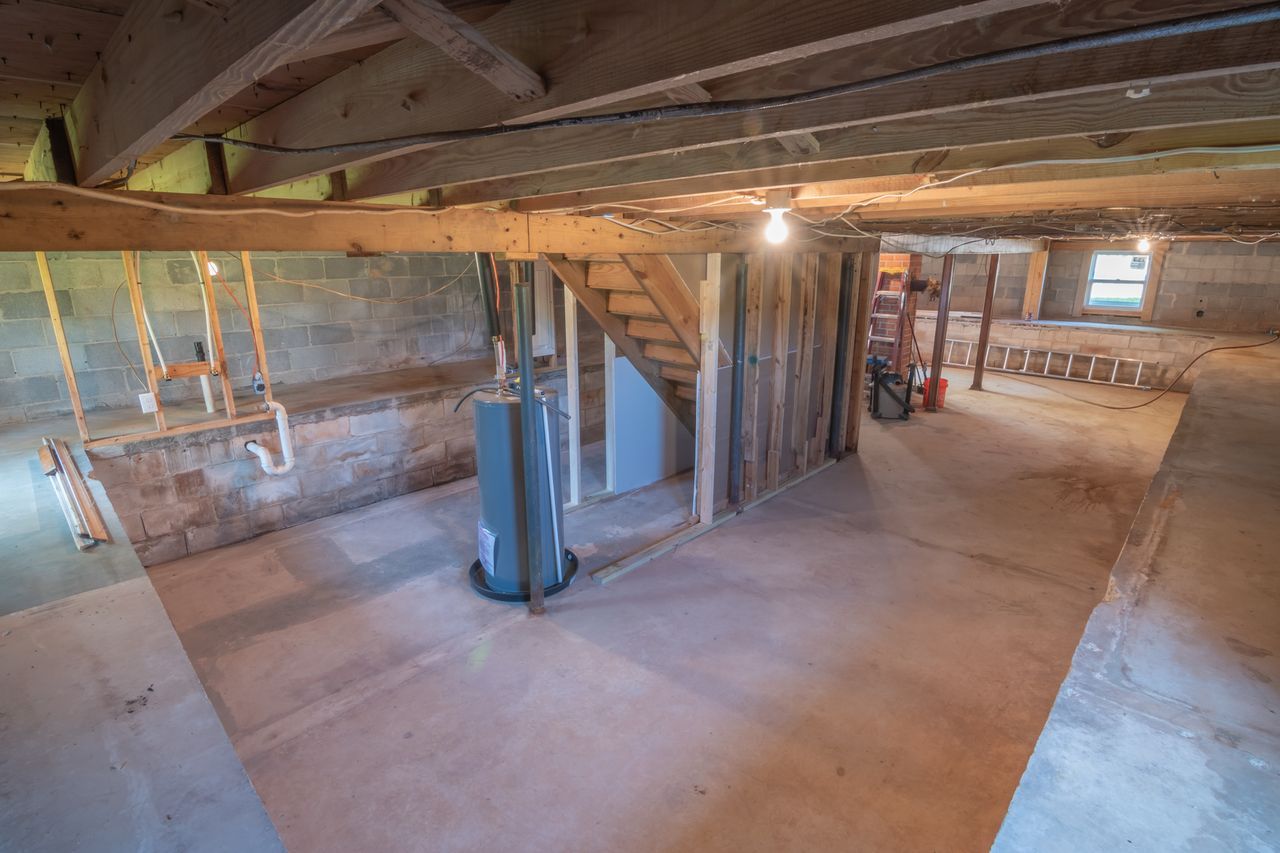
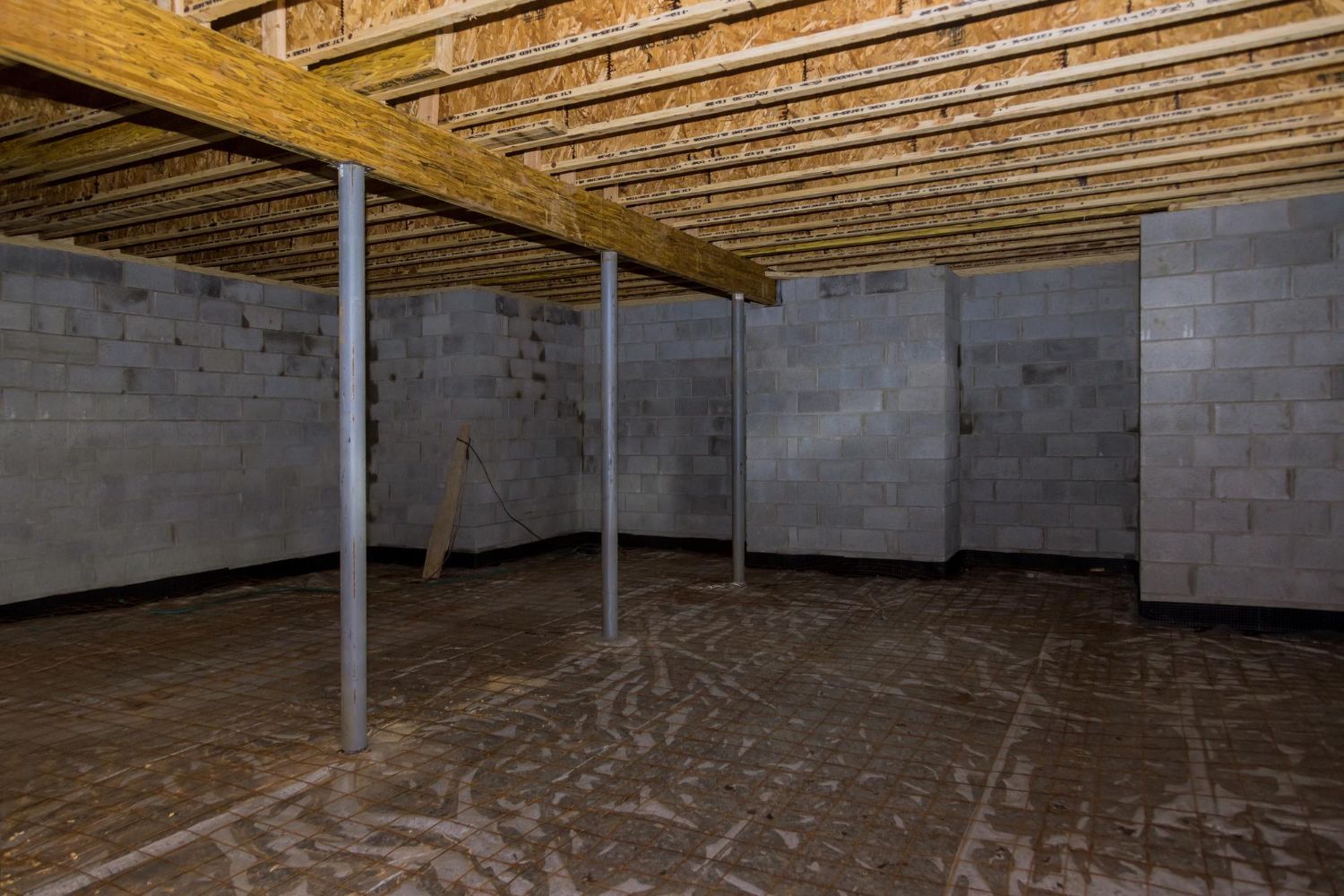
- Basements or crawlspaces under bathrooms
- Slab-on-grade additions with little room for drainage changes
- Older framing and subfloors that have already seen some leaks
These details matter. A bathroom over a damp basement or crawlspace is more likely to pull moisture up through the floor. Tight modern insulation and air sealing can trap steam inside if ventilation and waterproofing are not planned as a system.
Building code sets a minimum standard, but code alone does not always protect against long-term issues like:
- Mold hidden in wall cavities
- Soft, spongy subfloors around showers and toilets
- Cracked grout and loose tiles from repeated movement
For a spa-like bathroom that actually lasts, your remodeler should plan for moisture control from the framing stage, not as an afterthought when tile is about to go in.
Building a Waterproof Shower From the Studs Out
A beautiful shower starts long before the first tile is set. One of the biggest misunderstandings is the difference between water-resistant and truly waterproof.
In a shower or tub surround, we prefer to see:
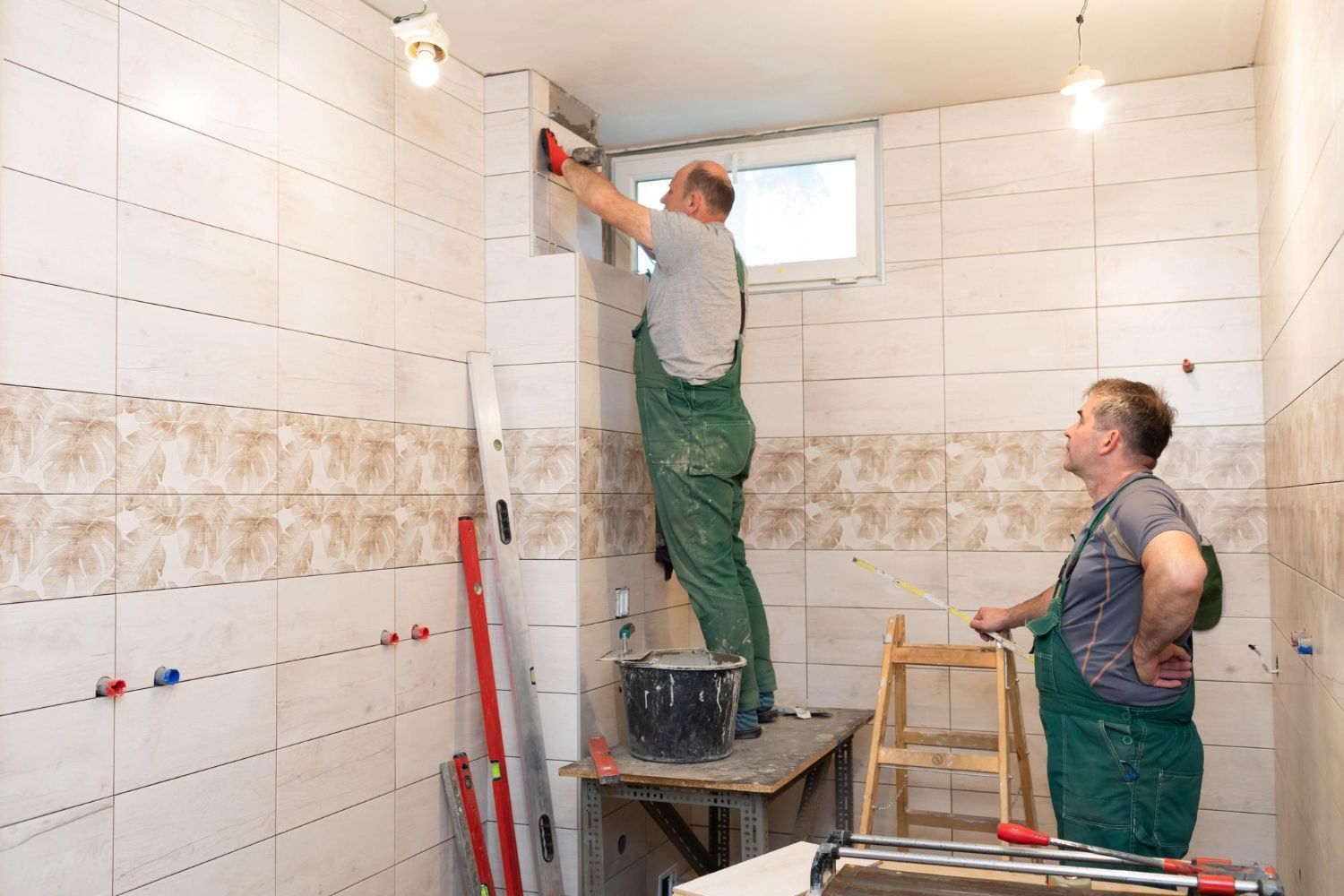
- Cement backer board or similar stable board, not standard drywall
- A continuous waterproofing membrane, either sheet or liquid-applied, tied into the pan and drain
- Careful detailing at every opening and change of plane
Water-resistant drywall can help in lightly splashed areas, but it is not meant to live behind a shower that gets soaked daily. Behind your tile, there should be a complete waterproof “shell” that goes up the walls, across the shower floor, and over the curb.
Key behind-the-tile details include:
- Proper slope to the shower pan so water runs to the drain, not toward the corners
- Full waterproof coverage on curbs, niches, benches, and built-in shelves
- Overlapped seams and corners that follow the membrane manufacturer’s instructions
Just as important is using compatible parts. The drain, waterproofing membrane, sealants, and any factory flanges should be part of a system that is designed to work together. Mixing random parts can create tiny gaps or pinhole leaks that may not show up for years, until tile starts cracking or stains appear on the ceiling below.
The Subfloor, Drainage, and Venting Details You Never See
Under your feet, is where a lot of long-term problems start. Before installing any new tile or shower base, a pro should inspect the subfloor for:
- Existing rot, staining, or mold from old leaks
- Loose or bouncing sections that need to be reinforced
- Areas where framing needs to be adjusted for new drains or a curbless shower
For tile floors, the right underlayment or uncoupling layer helps protect the tile from small movements in the subfloor and adds another layer of moisture management. For curbless showers, careful planning keeps the floor strong while letting water flow naturally to the drain.
Drain choice also matters. Center drains, linear drains, and traditional mud pans all work, but only if they are installed correctly. That means:
- Enough slope in the shower floor to avoid standing water
- Proper weeping around the drain in traditional systems so water under the tile can escape
- Secure, watertight connections between the drain body and waterproofing membrane
Then there is the moisture you cannot see but can definitely feel: steam. A good bathroom renovation in Maryland should include a properly sized, quiet exhaust fan, vented all the way outside, not into an attic or crawlspace. Placing the fan near the shower and adding a timer or humidity sensor helps pull moisture out of the room after every use, which protects paint, trim, and even framing over time.
Smart Materials and Upgrades That Fight Moisture for Years
Material choices have a big impact on how your bathroom handles moisture stress over the long haul. Some smart options include:
- Porcelain tile instead of softer ceramic in high-splash or floor areas
- Epoxy grout in showers and on floors, since it is denser and less absorbent than cement grout
- Solid-surface or one-piece shower bases in spots where extra leak protection is a priority
There are also small upgrades that are easy to miss but pay off in durability:
- Waterproof backer behind tile wainscoting and around tubs
- Sealed vanity backs and sink cutouts to keep splashes from soaking into raw wood
- Insulated plumbing walls on exterior sides to reduce condensation on pipes
If you are planning for accessibility or aging-in-place, waterproofing becomes even more important. Curbless showers and continuous bathroom floors need:
- Careful slope planning so water stays in the shower area
- Fully waterproof floor systems, not just around the drain
- Blocking in the walls for future grab bars that does not puncture or weaken the waterproof layer
Done right, you can have a safe, easy-to-use bathroom without creating new leak risks.
Choosing a Maryland Remodeler Who Gets Waterproofing Right
Not every contractor treats waterproofing as a top priority. When you are planning a bathroom renovation in Maryland, it helps to ask detailed questions about how they handle moisture protection.
Good questions include:
- What type of waterproofing system do you use in showers and around tubs?
- How do you waterproof niches, benches, and window openings in wet areas?
- How do you handle subfloor repairs or reinforcements if you find damage?
- Do you offer a warranty against leaks for your bathroom projects?
Local experience matters. A remodeler who works on Maryland homes every day understands our mix of older and newer construction, common framing quirks, and the way our humidity affects finishes over time. At Bathroom Remodeling of Maryland, Inc., we design and build custom, spa-like bathrooms with moisture control built into every step, from layout and framing to tile and trim.
Protect Your Investment with a Leak-Proof Plan
The real strength of a spa-like bathroom is not just in the tile you see, it is in the hidden waterproofing, drainage, and ventilation systems you never notice. When those pieces are planned and installed with care, your space feels solid, smells fresh, and holds up to daily use year after year.
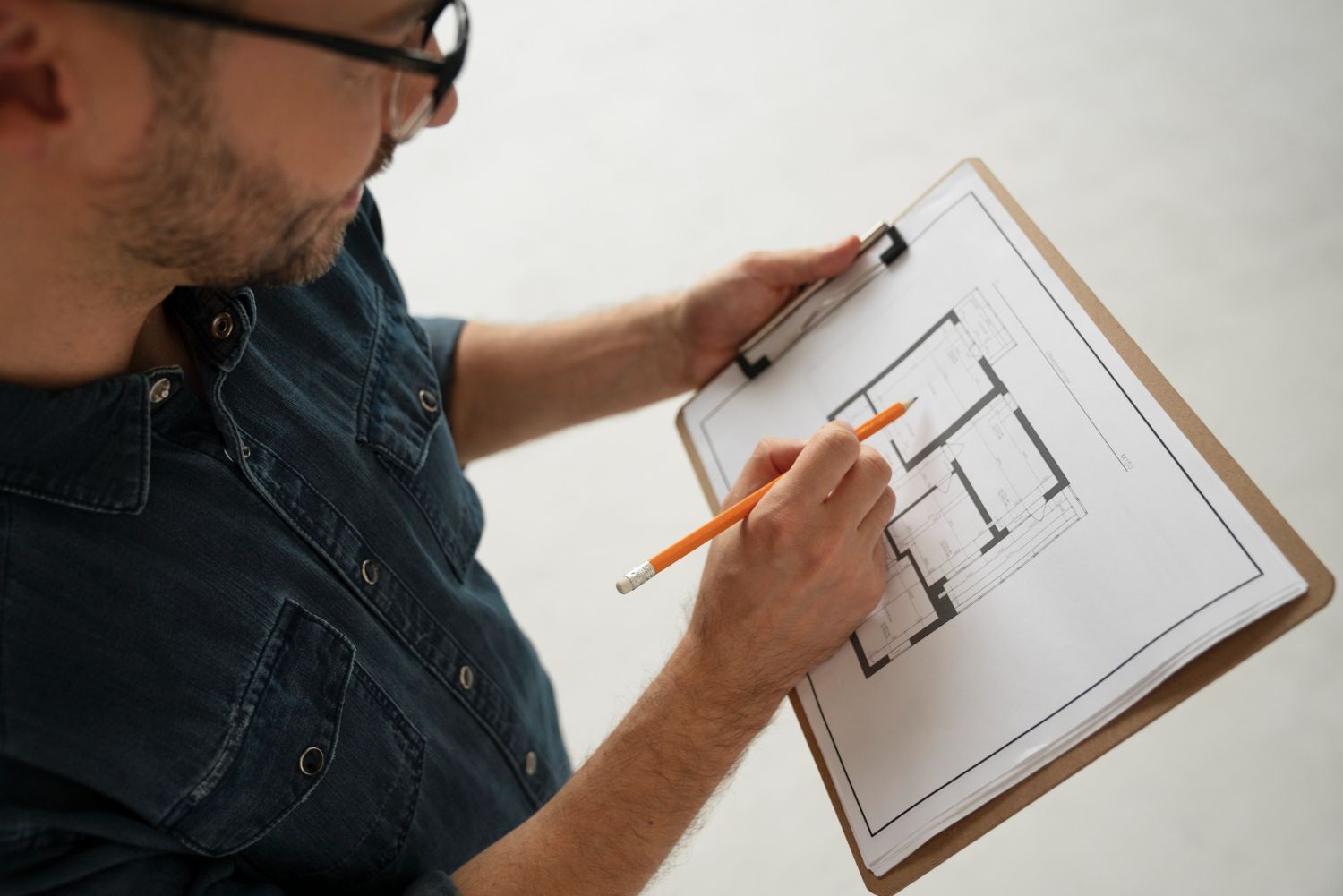
Before you start your project, create a simple waterproofing checklist to review with your remodeler. Talk through how they will protect the shower, subfloor, drains, and walls, and make sure the plan is clear before tile work begins. Taking time to focus on these hidden details now is what keeps your new Maryland bathroom dry, healthy, and beautiful for the long term.
Get Started With Your Project Today
If you are ready to upgrade your space with a tailored design and quality craftsmanship, our team at Bathroom Remodeling of Maryland, Inc. is here to help. Explore your options for a
bathroom renovation in Maryland that fits your style, budget, and timeline. We will walk you through every step, from initial ideas to the final walkthrough. Have questions or want to schedule a consultation? Simply
contact us to get started.