The Ultimate Guide to Bathroom Flooring: Materials, Styles, and Performance
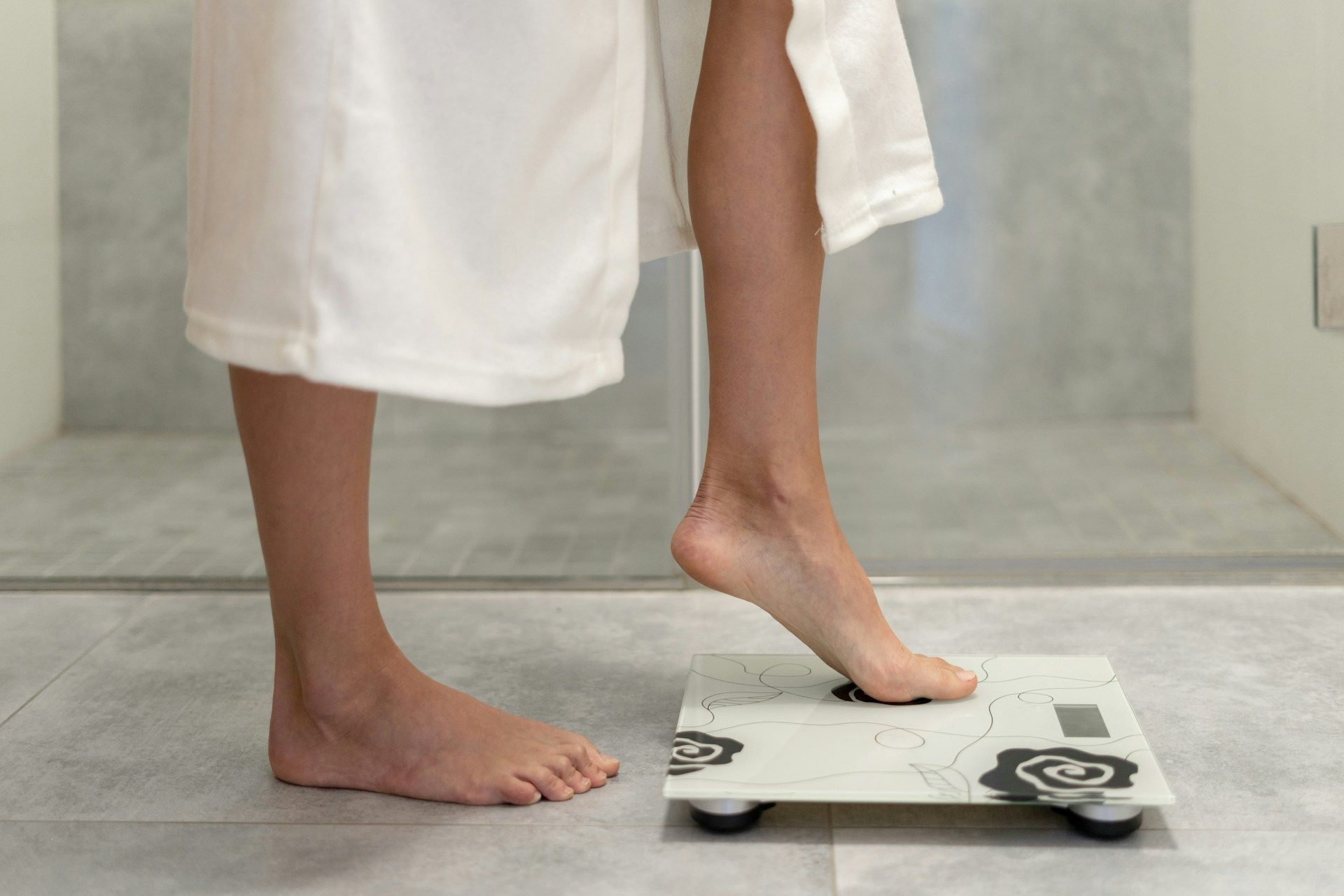
A thoughtfully designed bathroom renovation is more than just an investment in your home's value; it also enhances your daily living experience through improved functionality, aesthetics, and lasting durability. One key component of a successful bathroom remodel is selecting the perfect flooring—a crucial element that not only impacts visual appeal but also plays a significant role in the room's safety and comfort.
With countless bathroom flooring options available in terms of materials, styles, and performance characteristics, making the right choice can be overwhelming. In this comprehensive guide, we'll delve into the most popular bathroom flooring materials, discuss their pros and cons, and explore various styles and designs to help you make an educated decision when planning your bathroom remodel. From determining the ideal balance between aesthetics and practicality to understanding the importance of water resistance, durability, and slip resistance, this guide covers all aspects of bathroom flooring selection for an informed decision-making process.
As custom bathroom renovation experts, we pride ourselves on understanding the unique demands of bathroom spaces and guiding our clients toward flooring options that align with their specific needs, preferences, and budget. Allow our team of dedicated professionals at Bathroom Remodeling Of Maryland, Inc. to help you navigate the wide array of bathroom flooring choices and ensure you make a decision you'll love for years to come.
Selecting the Ideal Flooring Material
When choosing a bathroom flooring material, consider factors such as durability, water resistance, maintenance, and slip resistance. Let's explore some popular bathroom flooring materials, along with their pros and cons:
1. Porcelain and Ceramic Tiles
Porcelain and ceramic tiles are among the most popular choices for bathroom flooring due to their durability, water resistance, and design versatility.
Pros:
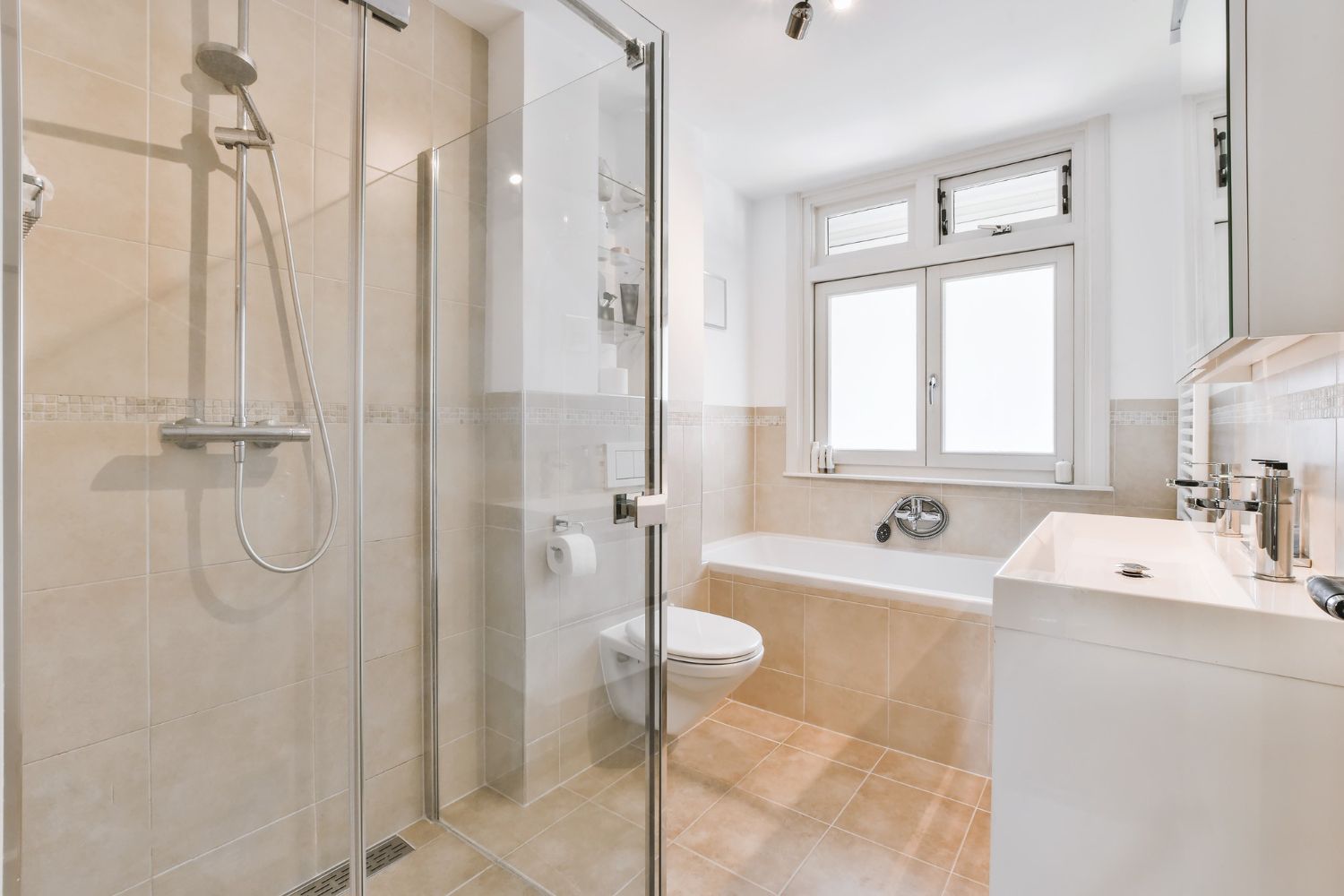
- Highly water-resistant: Both porcelain and ceramic tiles have a low moisture absorption rate, making them an excellent choice for wet bathroom environments.
- Durable: These tiles are resistant to scratches, stains, and fading, ensuring a long-lasting flooring solution.
- Design versatility: Available in numerous styles, colors, patterns, and sizes to suit a wide range of aesthetics.
Cons:
- Cold and hard surface: The material can be cold and hard underfoot, which might be uncomfortable for some individuals.
- Slippery when wet: Certain tile finishes can become slippery when wet, making it essential to choose slip-resistant options for increased safety.
2. Natural Stone Tiles
Natural stone tiles, such as marble, granite, and slate, offer an unmatched aesthetic appeal and a luxurious touch to any bathroom.
Pros:
- Unique look: Due to the natural variations in the material, each tile is unique, resulting in a distinct and high-end appearance.
- Durability: Natural stone tiles are durable and long-lasting, making them a worthwhile investment.
- Heat resistance: Stone tiles are heat-resistant, making them suitable for installation over radiant floor heating systems.
Cons:
- Expensive: Natural stone tiles can be costly compared to other flooring options.
- High maintenance: These tiles require regular sealing to maintain their water resistance and prevent stains.
- Susceptible to staining and scratching: Some natural stone, such as marble, is porous and prone to staining or scratching if not properly protected.
3. Vinyl Flooring
Vinyl flooring is an affordable and resilient option for bathroom floors that provides various design possibilities and easy maintenance.
Pros:
- Waterproof: Vinyl flooring is inherently waterproof, making it an excellent choice for damp bathroom environments.
- Comfortable underfoot: The soft and cushioned nature of vinyl provides a comfortable walking surface.
- Design options: Available in a wide range of styles, patterns, and colors, including options that mimic the appearance of wood, stone, and ceramic tiles.
Cons:
- Not eco-friendly: Vinyl flooring is typically made from non-renewable materials and may release VOCs (volatile organic compounds) into the air.
- Susceptible to scratches and dents: While resilient, vinyl flooring can be prone to scratches and dents over time.
4. Engineered Wood
Engineered wood flooring consists of multiple layers of wood with a real wood veneer on top, offering an alternative to solid hardwood for bathrooms with more resistance to moisture.
Pros:
- Authentic wood look: Engineered wood flooring replicates the natural appearance and texture of real wood.
- Moisture resistance: The layered construction of engineered wood provides better resistance to moisture compared to solid hardwood.
- Compatible with radiant heating: Engineered wood is suitable for installation over radiant floor heating systems.
Cons:
- Limited lifespan: Unlike solid wood, engineered wood cannot be refinished multiple times, shortening its lifespan.
- Susceptible to moisture damage: While more moisture-resistant than solid hardwood, engineered wood can still sustain damage if exposed to excessive moisture.
Exploring Bathroom Flooring Styles
With the ideal material selected, consider your preferred flooring style to complement your overall bathroom design. Popular styles include:
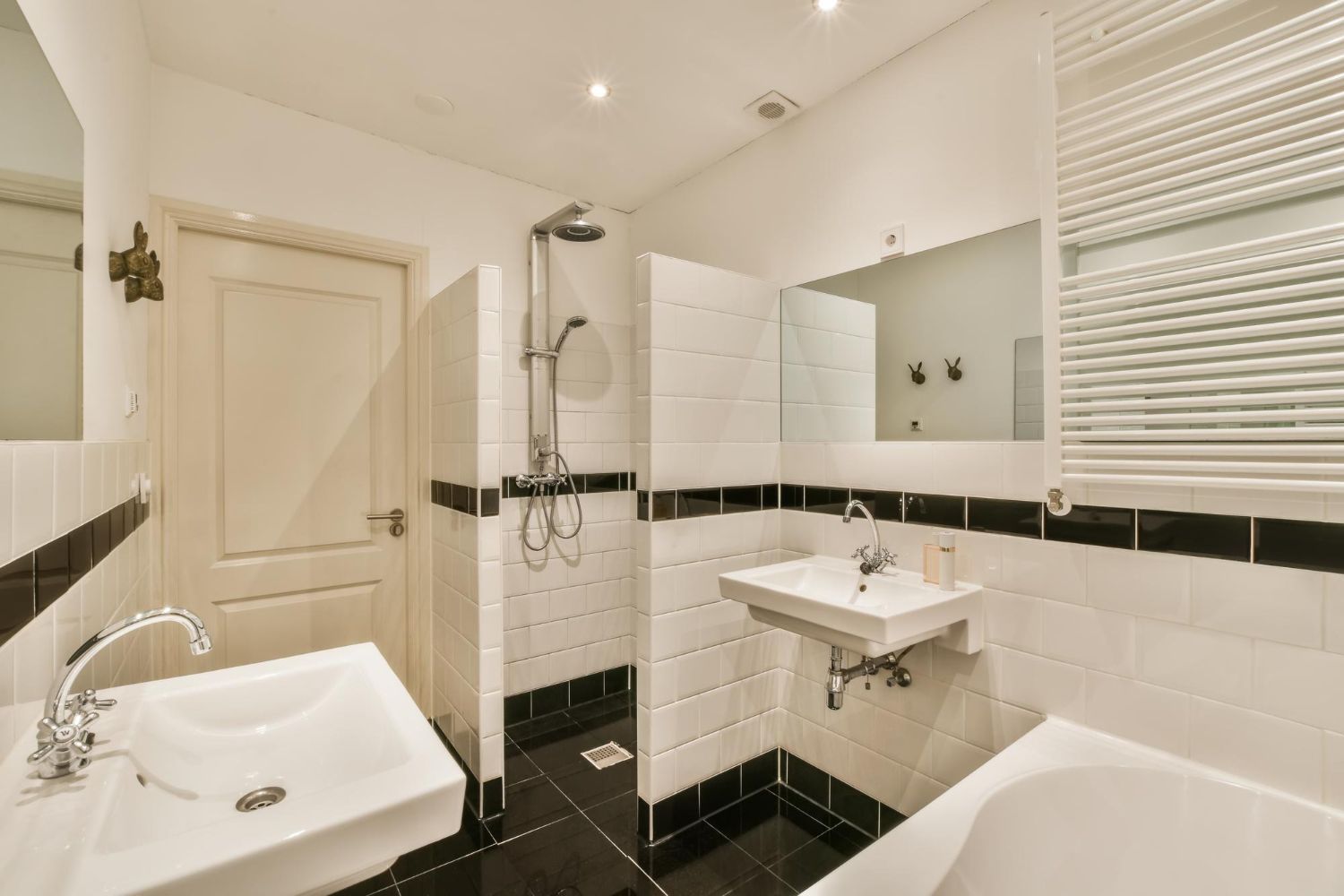
1. Classic: Timeless colors and patterns, such as Carrara marble or subway tile, create an elegant and enduring look.
2. Contemporary: Clean lines, minimalist designs, and neutral tones create a fresh and modern aesthetic.
3. Rustic: Distressed wood, natural stone, or a combination of textures can evoke a warm, inviting, and earthy ambiance.
4. Bold and Artistic: Express your personality with vibrant colors, striking patterns, or intricate mosaics for a unique and expressive atmosphere.
Prioritizing Performance Factors
Ensure that your chosen flooring material and style offer essential performance factors, such as:
1. Durability: Bathroom flooring should withstand regular use, moisture exposure, and potential impact from dropped items.
2. Water resistance: Optimal bathroom flooring should have excellent water resistance to prevent damage and mold development.
3. Slip resistance: Prioritize slip-resistant surfaces to reduce the risk of falls and accidents in the bathroom, especially in wet areas like the shower and tub.
Conclusion
Selecting the perfect bathroom flooring can influence the overall aesthetics, comfort, and safety of your space. With a clear understanding of the various materials, styles, and performance factors available, you can confidently make an informed decision tailored to your unique needs and vision.
As custom bathroom renovation specialists, we are dedicated to guiding you through the flooring selection process and ensuring that your dream bathroom becomes a reality. Contact our team at Bathroom Remodeling Of Maryland, Inc. today to discuss your
bathroom remodeling project and let us help you explore all available options to create the perfect foundation for your stylish and functional haven.