Preventing Water Damage in Your Bathroom
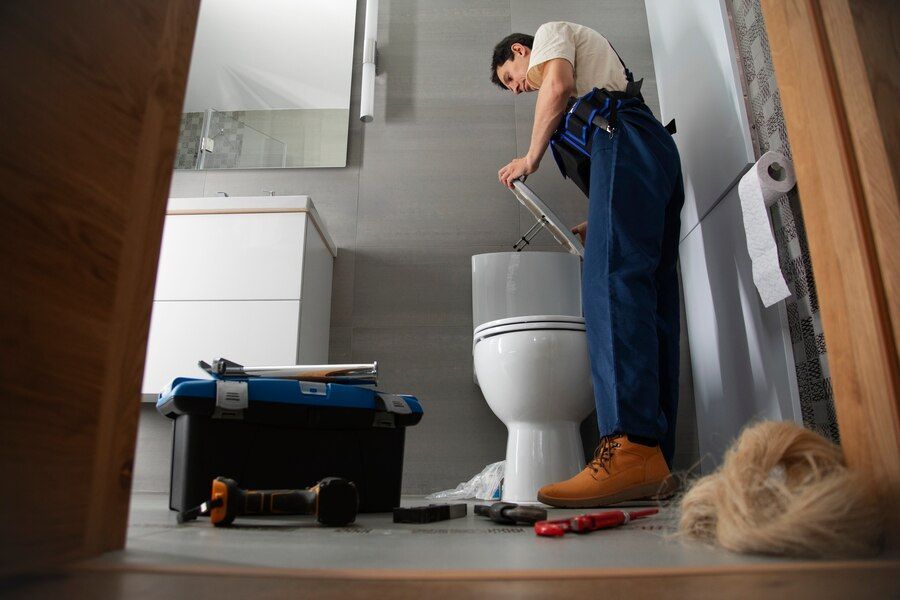
Bathroom water damage can lead to costly repairs and health hazards like mold. Preventive measures can protect your bathroom and keep it in top condition. Understanding potential problem areas and how to address them ensures your bathroom stays dry and healthy.
Regular maintenance is key to safeguarding your bathroom. Simple checks for leaks and ensuring your ventilation system is efficient are vital. This will prevent moisture from building up, keeping your bathroom safe and inviting for everyday use.
Identifying Common Sources of Water Damage
Water damage can sneak up on you in various ways around the bathroom. Leaky faucets and showerheads are frequent culprits. Even a small drip can lead to bigger issues over time. These leaks can soak into cabinets, floors, and walls, causing expensive damage. Regularly checking fixtures for leaks can help you stop problems before they start.
Another common source of water damage is tile grout and caulking. These materials keep water from slipping behind your tiles and into the walls. Over time, grout and caulk can crack or wear away, creating gaps that let water in. It's crucial to inspect these areas often and repair any visible damage. Re-caulking is a simple DIY task that maintains a tight seal, protecting your walls from water seepage.
Be on the lookout for:
- Water stains around fixtures or on walls
- Mold or mildew, which thrives in moist areas
- Soft spots on floors or walls, indicating hidden damage
By identifying and addressing these common sources of water damage early, you can keep your bathroom in great shape and prevent major headaches down the road.
Implementing Water-Resistant Materials
Using water-resistant materials is a smart move in preventing water damage in your bathroom. Waterproof paint is a great option for walls. It provides a barrier against moisture, ensuring water doesn’t seep into the drywall. This paint is also resistant to mold and mildew, making it a healthier choice for your home.
Sealants are another essential element. Applying them over tile grout and around fixtures ensures water stays where it belongs—inside the tub or sink, not your walls. Sealants are inexpensive and easy to apply, making them a practical addition to your water damage prevention arsenal.
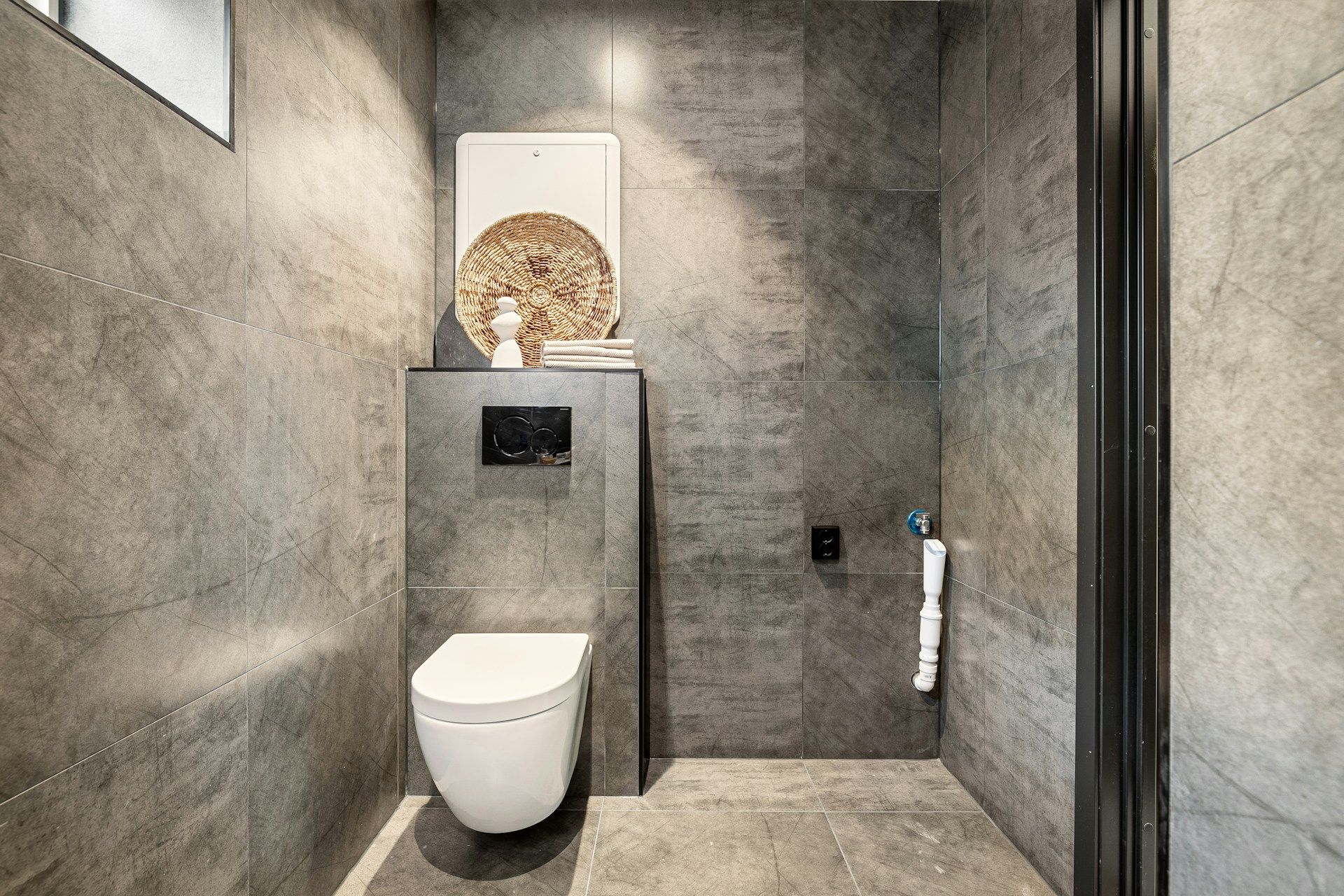
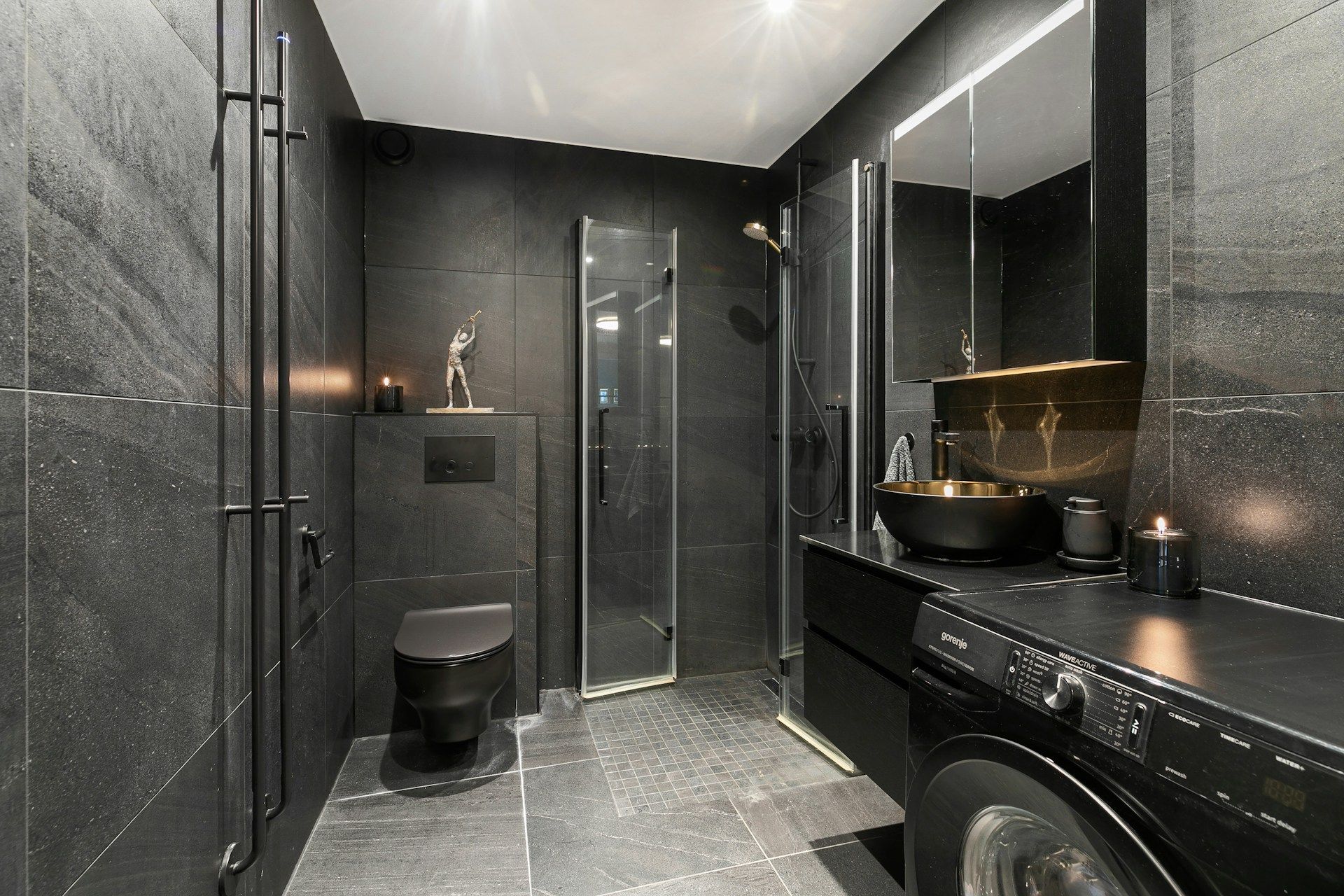
Selecting the right flooring is also crucial. Moisture-resistant materials like vinyl or porcelain tiles are excellent choices. They’re not only stylish but also quite durable. These types of flooring withstand the damp conditions of a bathroom far better than traditional wood or carpet.
Key water-resistant materials to consider:
- Waterproof paint for walls and ceilings
- Silicone sealants for grout and fixtures
- Vinyl or porcelain tile flooring
Choosing materials that resist water damage greatly reduces the likelihood of long-term issues. This proactive approach helps keep your bathroom looking new and functioning well, saving you time and money in the long run.
Regular Maintenance and Inspection Tips
Regular maintenance and inspections are crucial to preventing water damage in your bathroom. Start with routine checks for leaks and dampness, especially around faucets, pipes, and water fixtures. It's important to catch leaks early, as they can lead to significant damage if left untreated. Even small drips can cause big problems over time, so don't ignore them.
Plumbing maintenance is another key aspect. Ensure all connections are tight, and consider replacing old or worn-out washers to stop leaks at their source. Keeping an eye on the water pressure can also help prevent leaks, as excessive pressure can strain pipes and fixtures. If you notice any unusual sounds or changes in water flow, it might indicate a problem.
Simple tips for maintaining bathroom fixtures include:
- Tightening loose fittings regularly
- Replacing cracked caulking around sinks and tubs
- Flushing the drain system to remove buildup
By staying on top of these tasks, you ensure your bathroom remains free from water damage, keeping your home and family safe.
Installing Proper Ventilation Systems
Proper ventilation plays a pivotal role in controlling moisture levels in the bathroom. Vents and fans are essential to prevent moisture buildup, which can lead to mold and water damage. An effective ventilation system helps remove humid air, allowing the bathroom to dry quicker after use.
When choosing a fan, consider its capacity to handle your bathroom size. A fan that circulates air efficiently keeps the environment dry and free from dampness. Running your fan during and after showers is beneficial to ensure the air is fully ventilated.
Enhancing airflow for a drier bathroom can involve:
- Installing windows or exhaust fans in strategic places
- Cleaning fan blades and ensuring vents are clear of obstructions
- Using a timer or humidity sensor to automate fan operation
Effective ventilation systems keep your bathroom's air fresh and clean. Focusing on proper airflow protects your bathroom from unnecessary water damage and creates a healthier environment.
Conclusion
Preventing water damage in your bathroom requires identifying potential problem areas, using the right materials, performing regular maintenance, and ensuring adequate ventilation. These steps protect your bathroom, enhance its longevity, and improve your home's overall value. With some foresight and effort, you can keep your bathroom safe from the perils of water damage.
If you're ready to transform your bathroom into a beautiful space that is resistant to water damage, Bathroom Remodeling Of Maryland, Inc. is here to help. We specialize in creating accessible bathroom designs that match your style and needs. Whether it's a complete remodel or an upgrade, contact us today to start designing your dream bathroom. Let's ensure your bathroom is not just a sanctuary but robust against water damage.