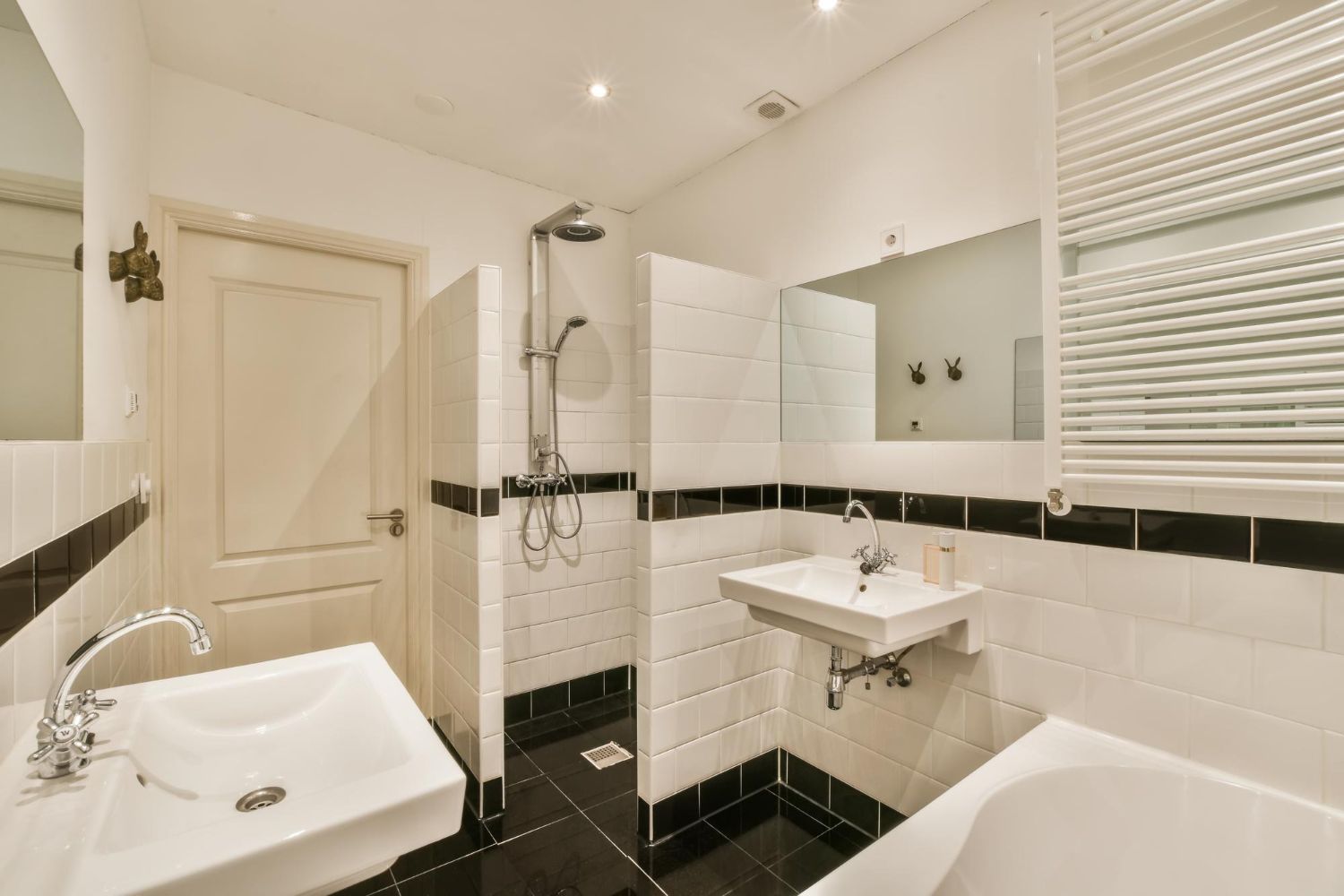
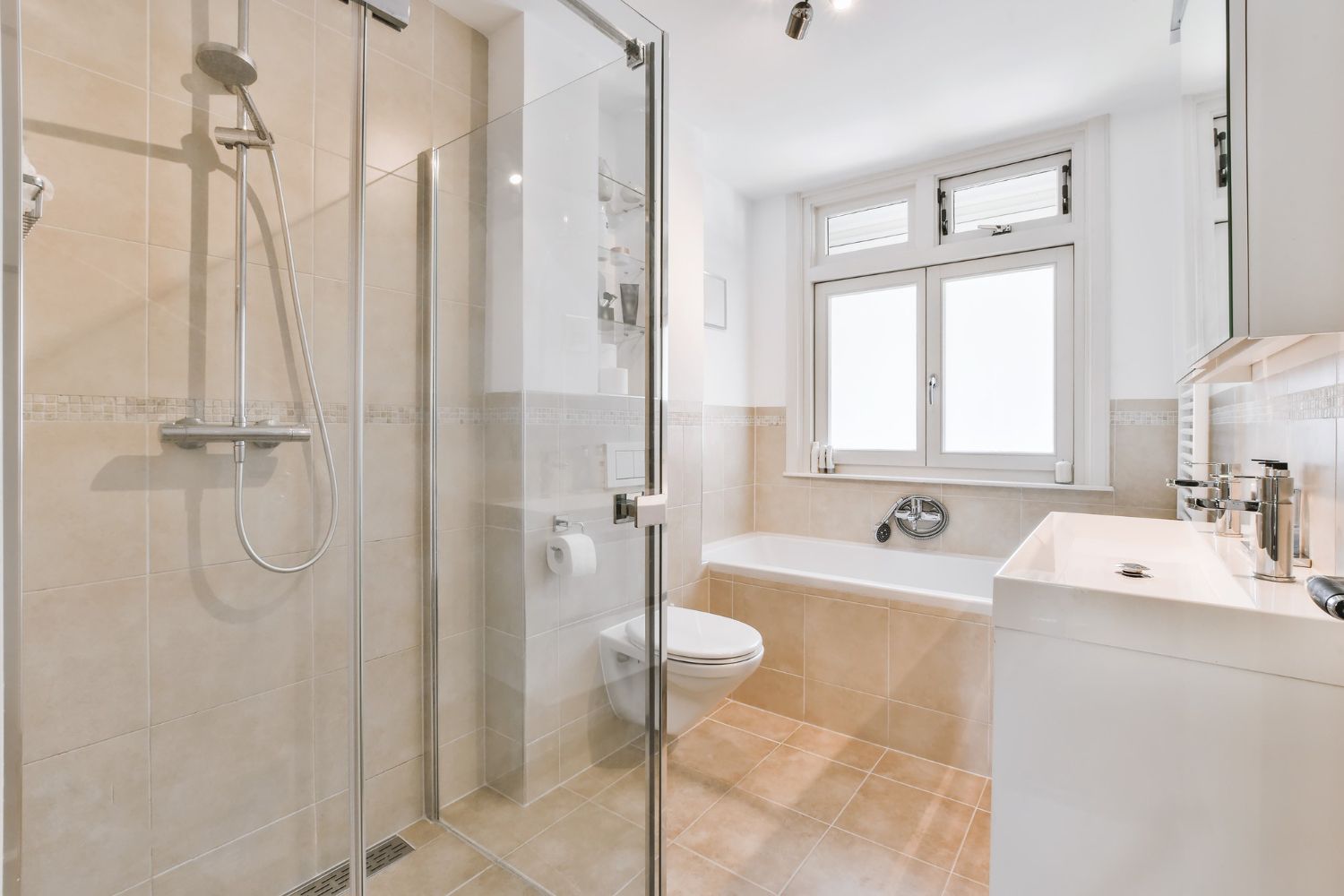
Question-Based Accessible Bathroom Design for Maryland Remodels
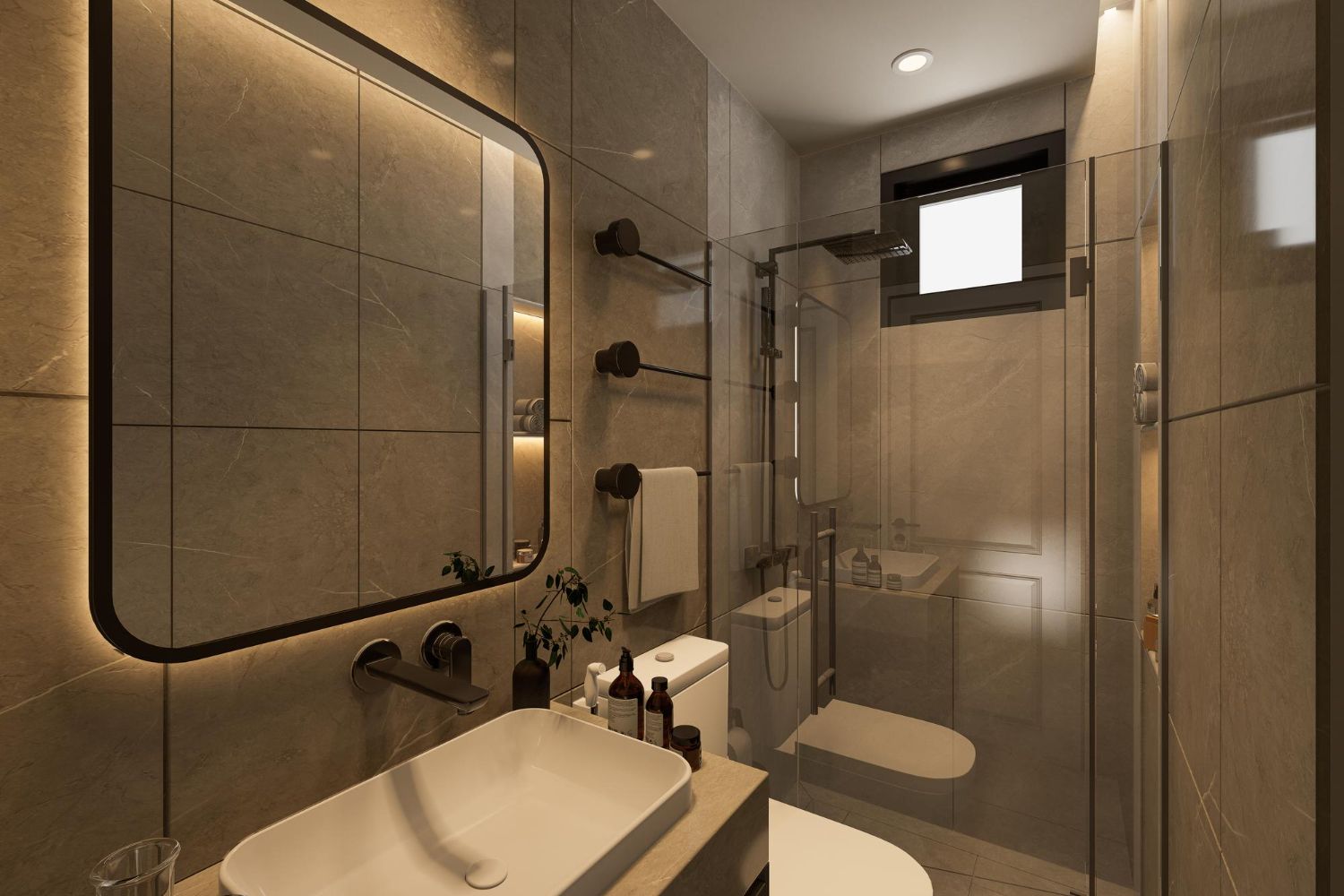
Design a Bathroom That Works for Every Stage of Life
Planning a bathroom remodel is a great chance to think beyond pretty tile and new fixtures. It is the time to ask how this space will work for you, your family, and your guests as life changes. When you plan for comfort and safety now, you save yourself stress later.
Many Maryland homeowners start with style, then realize they also need room for aging parents, growing kids, and friends who may not move as easily. Accessible bathroom design does not have to look cold or like a hospital. With the right layout, materials, and details, it can feel like a spa while quietly supporting different levels of mobility and balance.
Instead of starting with products like grab bars or special faucets, we suggest starting with questions. Ask about mobility, vision, balance, and long-term needs. From there, the right fixtures and layout become much easier to choose. As a local Maryland remodeler, we understand state codes, real homes, and how to blend accessibility with the kind of clean, high-end look people want today.
Start with Safety: Who Uses This Bathroom and How
The first step is not picking tile; it is understanding who will actually use the space and how they move in it.
Key question 1: Who will use this bathroom in the next 5, 10 years?
Think about:
- Aging in place for you or a partner
- Parents or in-laws staying for longer visits
- Kids shifting from baths to showers
- Friends or guests with different mobility needs
When we plan around these changes now, we can avoid tearing things out later. For example, framing walls strong enough for future grab bars costs less and causes less stress than trying to add support after an injury.
Key Question 2: What are current and potential mobility challenges?
Mobility needs can include:
- Wheelchairs or walkers
- Canes or crutches
- Limited balance, strength, or stamina
For accessible bathroom design, clear floor space is key. Wider doorways, generous turning areas, and low or no steps at entries help people move freely. Even someone who just feels stiff in the morning benefits from fewer tight turns and less twisting.
Key Question 3: What safety risks already exist?
Some common trouble spots in Maryland homes are:
- Slippery tile that gets slick when wet
- Tight corners near the tub or toilet
- Tall tub walls that are hard to step over
- Poor lighting, especially in older bathrooms
A professional site visit lets us see how your space really works. We can notice things like where water tends to pool, which corners are tight, and what areas might be hard to reach in an emergency.
Entry, Layout, and Flow That Prevent Daily Strain
Next, we look at how the bathroom connects to the rest of your home and how people move through it.
Key Question 4: How easy is it to get in, out, and around?
We review:
- Hallway width and any sharp turns before the door
- Doorway size and swing direction
- Floor transitions between rooms
In some Maryland homes, switching to a pocket door or an outswing door opens up a tight space. This helps someone with a walker or a helper move in and out without bumping into the door.
Key Question 5: Where are the “pinch points” in your layout?
Pinch points are places where things feel cramped or frustrating, such as:
- Spots where two people cannot pass each other
- Doors that hit vanities, toilets, or towel bars
- Knees bumping cabinets when sitting at the toilet
Smart solutions include:
- Shifting fixtures a few inches for better clearance
- Using a wall-hung vanity to open floor space
- Adding tall, narrow storage so walkways stay clear
Key Question 6: How will emergency access work?
If someone falls, can a family member reach them quickly? We think about:
- Enough space beside the toilet or shower for a helper
- Doors that can be opened from the outside if needed
- Layouts that keep main fixtures visible and reachable
All this can still feel like a relaxing spa. The goal is a layout that looks open and calm, while quietly making it easy to move, help, and get help.
Rethink the Shower and Tub for Comfort and Dignity
For most accessible bathroom design projects, the shower and tub are the biggest changes.
Key Question 7: Do you really need a tub, or would a walk-in shower work better?
Many homeowners are choosing to remove big tubs that rarely get used so they can gain:
- A large, walk-in, curbless shower
- More floor space and better turning room
- A cleaner, more open look
Tub-shower combos can work, but that tall tub edge is a major tripping risk. A well-designed walk-in shower makes daily use easier and safer for almost everyone.
Key Question 8: Can you enter and exit the shower without fear of slipping?
We focus on features like:
- Low or no threshold entries
- Slip-resistant floor tile with some grip
- Linear drains that pull water away from the standing area
- Grab bars or strong future mounting points near entries and seats
When blocking is added in the walls during framing, you can add or move grab bars later without opening everything up again.
Key Question 9: How comfortable is the shower experience itself?
Safety is the base, but comfort matters too. Thoughtful details include:
- Built-in benches or fold-down seats
- Hand-held shower heads that are easy to reach seated or standing
- Thermostatic controls that help keep water temperature steady
With the right tile, fixtures, and trim, these features blend into a spa-inspired design. They feel like upgrades, not medical equipment.
Smarter Sinks, Toilets, and Lighting for Daily Ease
Once layout and shower design are set, we turn to the details people use many times a day.
Key Question 10: Is your sink comfortable to use from any position?
Good sink design can include:
- Counter heights that do not require bending or stretching
- Enough knee space under the sink for seated use
- Single-lever or touch-style faucets that are easier for weak hands
- Rounded vanity corners to reduce bumps
- Storage that keeps daily items within easy reach
This kind of accessible bathroom design focuses on small frustrations, then removes them.
Key Question 11: Is the toilet the right height and location?
Toilets that work better for more people often have:
- A higher, comfort-height seat
- Clear space at the sides for transfers or a helper
- Grab bars placed where they support natural movements
- Options like bidet seats for better hygiene and more independence
We can also position the toilet so it feels tucked away, yet still accessible.
Key Question 12: Can everyone see clearly, day or night?
Good lighting is a safety feature. We aim for:
- Bright but soft overhead lighting
- Focused task lighting at the mirror with less shadow
- Nightlights or low-level guides for late-night trips
- Contrast between floors, counters, and fixtures to help with depth and edges
With the right color choices, this contrast can still feel calm and modern.
Plan Ahead with a Maryland-Focused Accessibility Checklist
Before you begin any remodel, it helps to walk your bathroom with these 12 questions written down. Look at how your space feels as you enter, move, sit, turn, and reach. Think about how that might change if you were tired, sore, using a cane, or helping someone else.
At Bathroom Remodeling of Maryland, Inc., we use your answers to shape a custom plan that fits your home, local codes, and the way your family actually lives. We pay attention to moisture, seasonal swings in our area, and the daily habits that make a bathroom feel either stressful or peaceful. When accessible bathroom design is planned early, it becomes a natural part of a beautiful, long-lasting space, not an urgent fix after a fall or sudden change in health.
Get Started With Your Project Today
If you are ready to create a safer, more comfortable space that fits your needs, we are here to help. Explore our accessible bathroom design options to see how Bathroom Remodeling of Maryland, Inc. can update your current layout. We will walk you through every step, from planning to final finishes, so your bathroom looks great and works for you long term. Have questions or want to schedule a consultation? Simply contact us to get started.