Permits, Plumbing, and Code for Tub-to-Shower Conversions in Gaithersburg

Start Your Tub-to-Shower Conversion the Smart Way
A tub-to-shower conversion in Gaithersburg, MD, can completely change how your bathroom looks and works. It can make daily routines easier, safer, and more comfortable for everyone in the home. Spring is a common time to plan these upgrades, since the weather is milder, schedules open up, and many homeowners are getting ready for guests and summer travel.
On home shows, these projects can look simple, like it is just swapping one piece for another. In real homes, your tub is tied into plumbing, framing, wiring, and waterproofing that must meet Montgomery County and City of Gaithersburg rules. If those details are missed, you can end up with failed inspections, leaks, or delays that drag on.
Our goal here is to help you understand the basics before anyone swings a hammer. We will look at when permits are needed, what should happen with your plumbing, the building code rules that shape your layout, and smart questions to ask any remodeler. At Bathroom Remodeling of Maryland, Inc., we work on bathroom renovations across the area, so we see every side of code and permitting for local homeowners.
Know When Permits Are Required in Gaithersburg
Most tub-to-shower conversions in Gaithersburg need permits. You are changing how water drains, how it is supplied, and often how electrical and framing are set up in the bathroom. That work is covered by codes, and inspectors want to see that everything is safe and built the right way.
In this area, you may deal with:
- Montgomery County Department of Permitting Services
- City of Gaithersburg staff and inspectors
Which office is involved depends on where you live and how local rules are set up. That can affect how many inspections you need, how long they take to schedule, and what must be shown on the plans.
Common changes that usually trigger permits include:
- Moving or upsizing the shower drain
- Changing the footprint of the shower or removing a tub deck
- Adding or changing recessed lights in the shower area
- Updating or relocating a ventilation fan
- Adjusting framing, especially if a wall might be load-bearing
Permits are not just red tape. They protect you by:
- Making sure plumbing and wiring are safe
- Helping keep your homeowners insurance valid
- Preventing ugly surprises during appraisal or when you go to sell
When you talk with a contractor about a tub-to-shower conversion in Gaithersburg, MD, ask clear permit questions:
- Do we need a permit for this specific project?
- Who will apply for it, you or us as the homeowner?
- How long do you expect the permit process to take?
- Is the permit fee included in the proposal?
- Who meets the inspector and handles any corrections if something does not pass?
The right answers here will tell you a lot about how the contractor works.
Plumbing Essentials That Make or Break Your New Shower
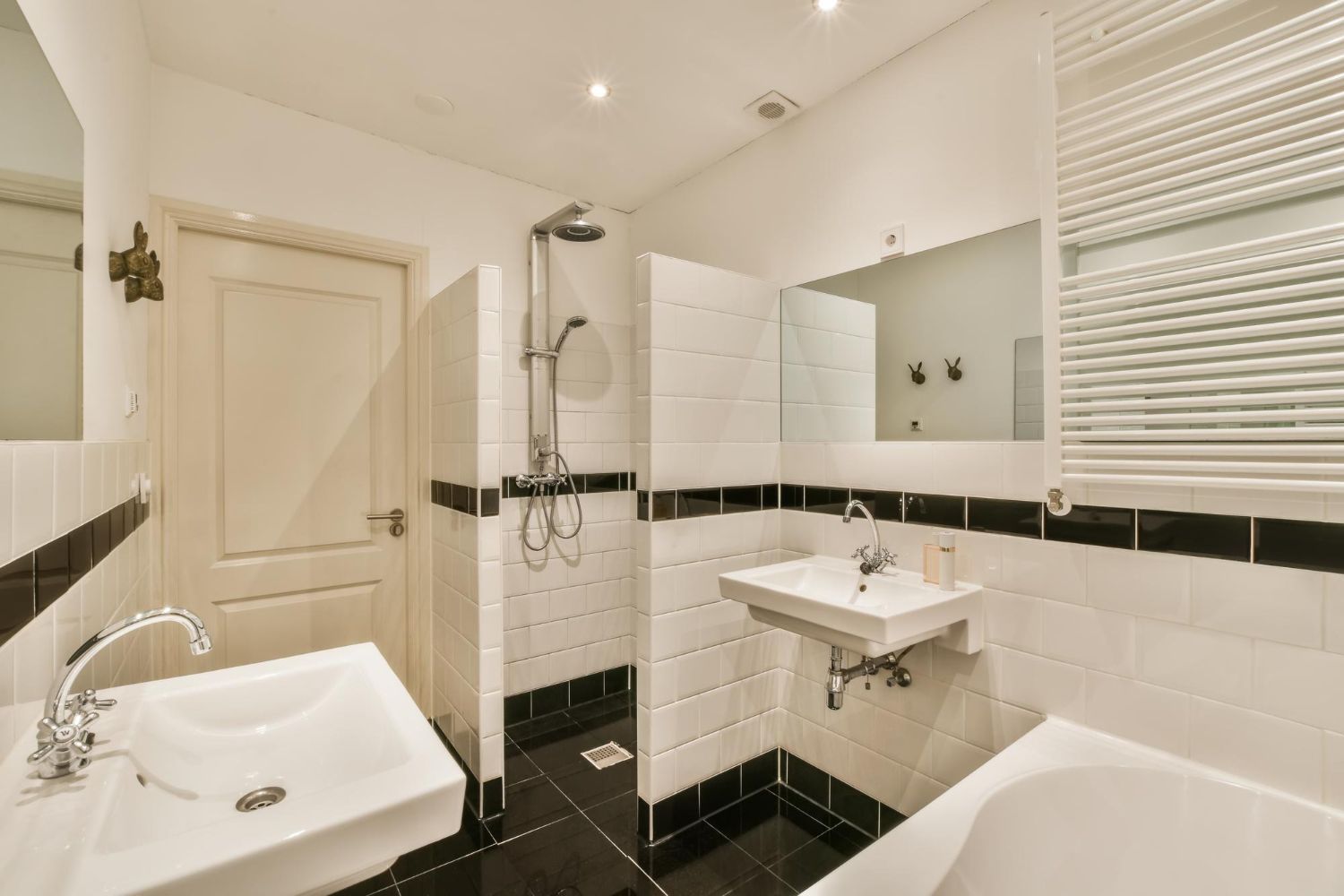
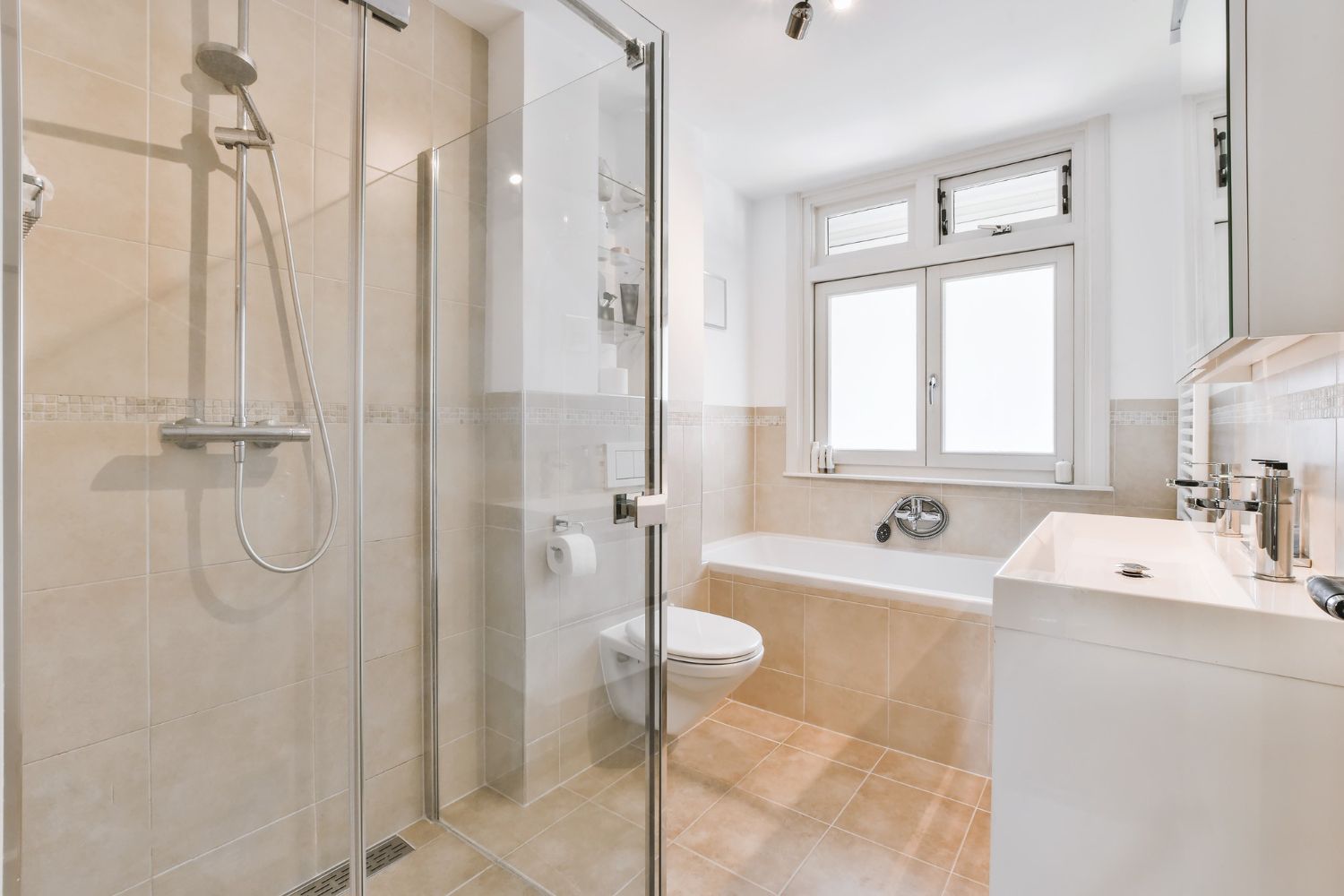
Behind your new tile and glass, the plumbing layout has a huge impact on how your shower feels and how long it lasts. Tubs are often built with smaller drains, and code usually calls for a larger one in a walk-in shower.
Key plumbing points to confirm:
- Drain size: Many tubs use a 1.5-inch drain. Showers typically need a 2-inch drain for proper flow.
- Slope to the drain: The shower floor must slope correctly so water runs to the drain, not into corners or out the door.
- Venting: Drains need proper venting so air can move, which helps prevent slow draining, gurgling, and sewer odors.
Reusing old tub plumbing without upgrades can create problems, especially in older Maryland homes where pipes may be galvanized or aging copper. Those pipes can be restricted inside or near the end of their life. Leaving them in place under a brand new shower can lead to leaks or poor performance that are hard to fix once the walls are finished.
Modern showers should also include updated valves. Pressure-balancing and temperature control help:
- Reduce the chance of scalding when someone flushes a toilet or starts a load of laundry
- Keep water temperature steady for comfort
- Make the shower easier to use for people with limited mobility
Every plumbing penetration is a spot where water can sneak in. Around the valve, shower head, and any body sprays, there should be strong waterproofing and seals. Done well, this protects walls, ceilings below, and nearby rooms.
Here are smart plumbing questions to ask your remodeler:
- Will you be upsizing the drain for the new shower?
- Are any supply or drain lines being rerouted or replaced?
- What types of pipes and valves are you using, and are they approved for local code?
- How will you test for leaks before you close up walls and install tile or panels?
Building Code Must-Knows for a Safe, Comfortable Shower
Building codes shape the size, layout, and details of your new shower so it is not just pretty but safe and comfortable to use. Space is one of the first things to think about.
Important layout and space rules often include:
- Minimum interior shower size so adults can move without bumping elbows
- Enough clear floor space in front of the shower for safe entry and exit
- Door swing that does not hit the toilet, vanity, or block the main path out of the bathroom
Surface and height details also matter. Your shower pan needs:
- Proper slope so water drains and does not pool
- A threshold that is high enough to keep water in, but not so high that it is hard to step over
- Slip-resistant flooring that is safe when wet
Behind the walls, there are more code and safety points:
- Shower doors and glass panels should be tempered safety glass
- Tile should be installed over proper backer board and waterproofing, not regular drywall
- If you might want grab bars now or later, the wall should have extra blocking in the stud bays
Gaithersburg homes also deal with humidity, especially in summer, so bathroom ventilation is key. An exhaust fan should:
- Be sized correctly for the room
- Vent all the way to the exterior, not just into an attic or crawlspace
- Run quietly enough that people will actually use it
On the electrical side, basic safety rules include:
- GFCI protection for bathroom outlets
- Switches placed where they are easy to reach but away from direct water spray
- Careful planning if you want heated floors near the shower, including proper controls and protection
A contractor who understands these details can help design a shower that feels good to use and passes inspections without drama.
Hiring a Contractor Who Handles Code and Inspections Right
Who you hire can make the difference between a smooth upgrade and a stressful experience. A local, licensed remodeler familiar with Gaithersburg and Montgomery County inspection practices will already know what plans, materials, and details inspectors look for.
When you are doing your homework, ask:
- Are you licensed and insured for bathroom remodeling work?
- How often do you complete tub-to-shower conversions in Gaithersburg, MD?
- About how many similar projects have you done?
- Do your projects usually pass inspections on the first visit?
You should also see everything in writing. A clear scope and contract helps prevent confusion later. It should spell out:
- Who is responsible for pulling permits
- How changes will be handled if an inspector requires adjustments
- What warranties cover labor and materials
Ask for a design review that looks at more than style. A code-conscious contractor will check:
- Safe clearances around the new shower
- Entry and exit that works for all users
- Options to support aging in place or multigenerational living, such as blocking for grab bars or a slightly wider entry
Communication is another key part of a successful project. It helps to know:
- How you will be updated on permit status
- Who will be present during inspections
- How schedule changes will be handled if an inspector requests a follow-up
At Bathroom Remodeling of Maryland, Inc., we focus on guiding homeowners through these code and inspection steps so the project stays on track and stress stays low.
Move From Planning to a Code-Compliant Shower Upgrade
Before any demolition starts, it helps to pause and double-check a few core items. Make sure you understand the permit needs for your address, confirm that your plumbing will be upgraded where needed, and see that the planned layout fits local building and safety rules. That preparation sets your tub-to-shower conversion up for success instead of surprises.
Code compliance is not just about passing an inspection. It supports the long-term value, safety, and comfort of your home. When your new shower is built to local standards, it is more likely to perform well, appeal to future buyers, and stand up to daily use. Planning in spring often lines up nicely with getting permits, scheduling inspections, and finishing work before the busy summer season.
With thoughtful planning, the right questions, and a remodeler who respects permits and codes, your new shower can be both beautiful and solid behind the walls, giving you peace of mind every time you turn on the water.
Get Started With Your Project Today
If you are ready to upgrade comfort, safety, and style in your bathroom, our team at Bathroom Remodeling of Maryland, Inc. is here to help you plan the right tub-to-shower conversion in Gaithersburg, MD, for your home. We will walk you through design options, materials, and scheduling so your renovation feels straightforward from the first conversation. To discuss your goals and get a detailed estimate, simply contact us and we will follow up promptly.