Maryland Small Bathroom Upgrades: Tips for a Dry, Healthy Space
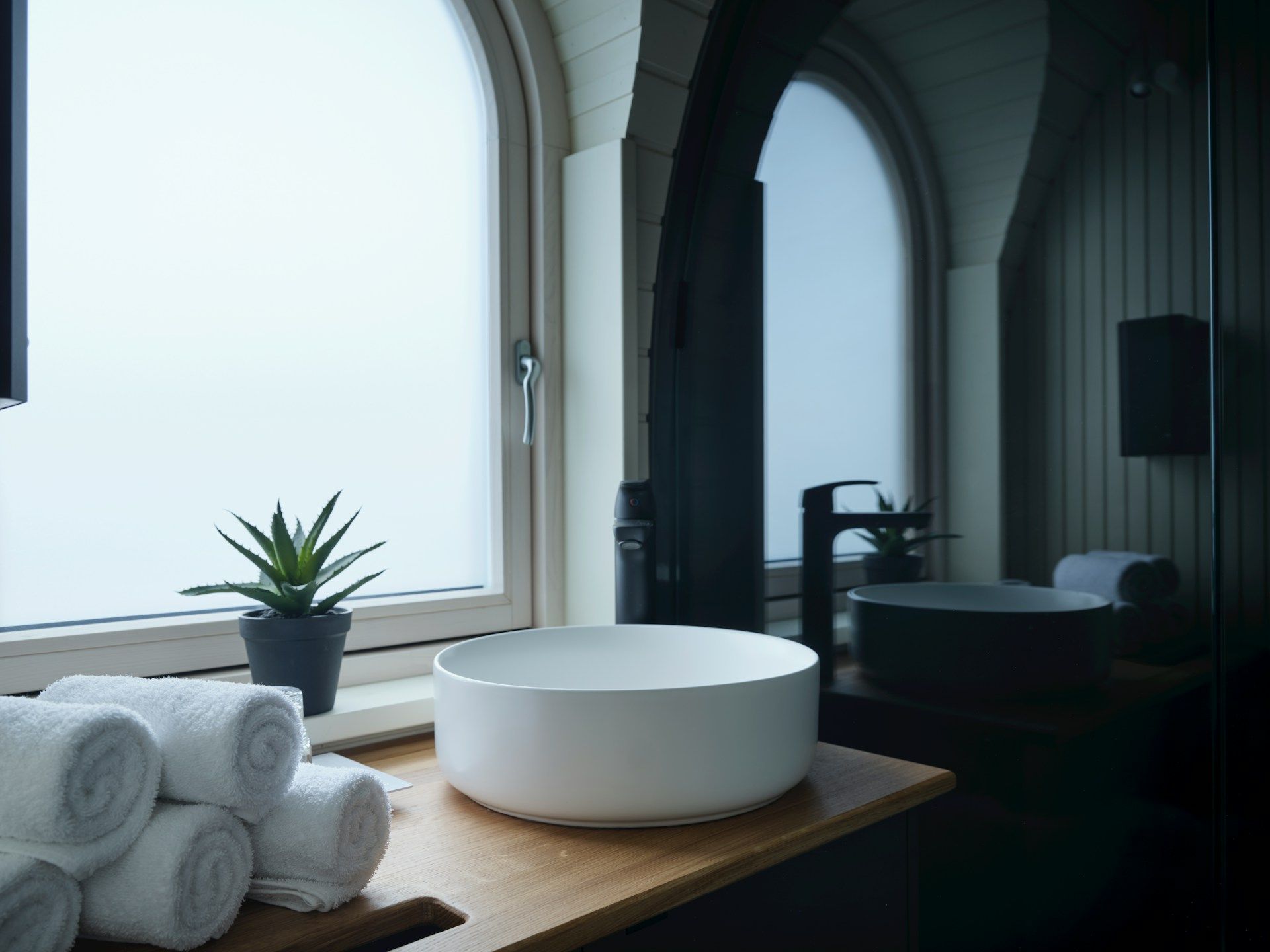
Keep Your Small Bathroom Cozy, Dry, and Mold-Free
Small Maryland bathrooms face unique challenges. In compact spaces, windows often stay shut, showers get longer and hotter, and all that steam has nowhere to go. That trapped humidity starts to show up fast as peeling paint, fogged mirrors, and grout that never quite looks clean.
When moisture hangs around, it does more than make the room feel damp. It can damage finishes, feed mold, and leave that musty, “wet towel” smell that never seems to fade. The good news is that smart bathroom makeovers for small bathrooms can turn a problem space into a healthy, easy-to-clean room that holds up over time.
At Bathroom Remodeling of Maryland, Inc., we work in homes across the state, so we see how small bathrooms struggle with moisture. In this article, we share practical tips for humidity control, better ventilation, and mold-resistant materials that work especially well in compact Maryland baths.
Why Small Maryland Bathrooms Are Vulnerable
Many Maryland homes have bathroom layouts that add to the problem, such as:
- Older rowhomes with tiny interior baths and no outside wall
- Townhouses with small hall baths that share vent ducts
- Split-foyers with low ceilings and minimal window area
When the room is small, every design flaw shows up faster. Common warning signs include:
- Mirrors and windows that stay fogged long after a shower
- Water droplets that keep forming on ceilings or exterior walls
- Dark or discolored spots along grout lines and in caulk joints
- A “damp towel” or sour smell, even in a freshly cleaned room
If any of these sound familiar, the space is likely holding more moisture than it should.
Humidity Control Strategies for Tiny Bathroom Footprints
In a small bath, humidity control starts with an exhaust fan that is matched to the room and used the right way. A fan that is too weak or rarely run is almost as bad as no fan at all.
For bathroom makeovers for small bathrooms, we look at:
- Room size in square feet
- How often the shower is used
- Whether there is a tub or only a shower
A properly sized fan should clear steam during showers and keep running for a while afterward. Using a timer switch helps so no one has to remember to come back and shut it off.
Layout changes can also help control moisture pockets. Simple moves include:
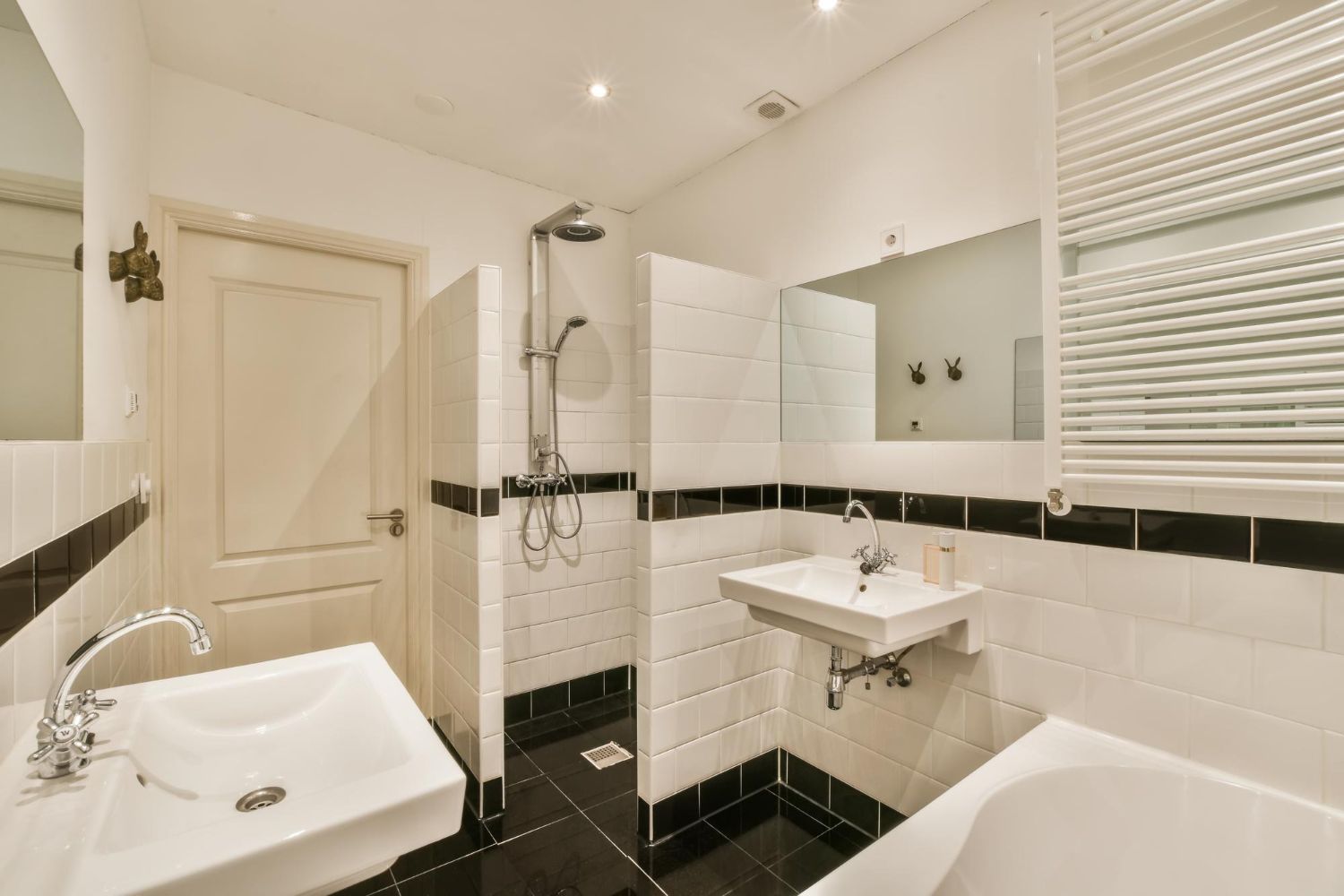
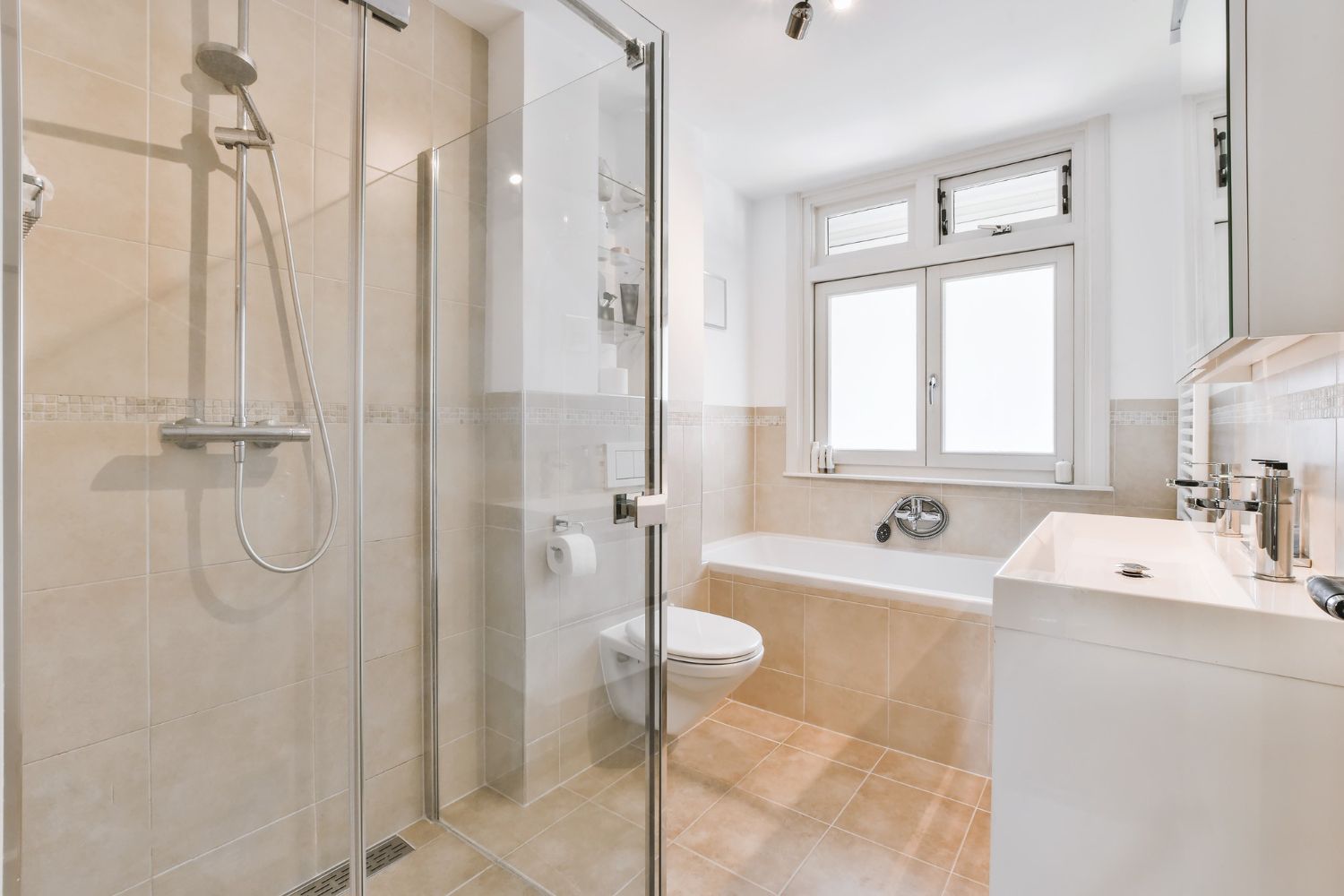
- Choosing a clear glass shower door instead of a fabric curtain, so moisture does not cling and hide behind folds
- Avoiding towel bars inside tight corners where towels never fully dry
- Adding open hooks or spaced towel bars so multiple towels can breathe
We also like to add warmth in the right places. Warm surfaces collect less condensation, which means fewer drip lines and less mold risk. For small baths, good options include:
- Heated towel racks that dry towels faster and add a touch of comfort
- Narrow wall-mounted radiators that do not eat up floor space
- Radiant floor heating under tile to keep floors warm and dry
Along with design upgrades, daily habits matter. Easy routines that help include:
- Running the fan before, during, and at least 15-20 minutes after showers
- Cracking the bathroom door as soon as the shower is done
- Hanging two smaller towels instead of one giant bath sheet that stays wet
- Keeping clutter off counters and ledges so surfaces can dry fully
Ventilation Upgrades That Fit Compact Maryland Baths
Many older Maryland homes were built with little or no mechanical ventilation in the bathroom. During a remodel, we can correct that with solutions that fit tight spaces and tricky structures.
Good ventilation options for compact baths include:
- Modern ceiling exhaust fans that are slim but powerful
- In-line fans hidden in nearby spaces when ceiling depth is limited
- Through-the-wall units for rooms that are hard to vent through a roof
For maximum comfort, it helps to choose quiet, energy-efficient fans that homeowners will actually use. Features that work well in our climate include:
- Humidity sensors that turn the fan on when moisture climbs
- Built-in timers that keep the fan running long enough to clear steam
Many small bathrooms sit under attics or against sloped roofs. That can make duct runs tight, but proper venting is still important. A professional remodeler can:
- Reroute ductwork so moisture vents outdoors, not into an attic
- Seal all duct joints to keep humid air from leaking
- Insulate vent ducts so warm, moist air does not cool too fast and form water inside the duct
When ducts are sealed and insulated, the fan performs better and the bathroom holds onto heat more easily, which is especially helpful in small spaces.
Mold-Resistant Materials That Stand Up to Daily Moisture
Even the best fan cannot fix materials that soak up water or support mold. For bathroom makeovers for small bathrooms, we like to pair stronger ventilation with surfaces that resist moisture from the start.
Behind the walls, mold-resistant backing products make a big difference. Good choices include:
- Moisture- and mold-resistant backer boards for shower and tub walls
- Greenboard or specialty drywall in areas near, but not inside, the wet zone
On the surface, materials that are hard, dense, and low maintenance tend to perform best. We often recommend:
- Porcelain or ceramic tile with narrow grout joints
- Epoxy grout that is less prone to staining and moisture absorption
- Quartz or solid-surface vanity tops instead of porous stone
- Mildew-resistant caulks along tubs, showers, and sinks
Small bathrooms especially benefit from non-porous surrounds, since every splash lands close to a wall. Options like acrylic or solid-surface shower walls give fewer seams, fewer grout lines, and smoother surfaces that wipe clean.
Finishes and trim also matter:
- Semi-gloss, mildew-resistant paints on walls and ceilings stand up better to steam
- PVC or composite trim near tubs and showers so wood does not swell or rot
- Waterproof flooring that can handle puddles from baths and even tracked-in water
When materials are chosen with moisture in mind, cleaning is easier and hidden damage is less likely to build up year after year.
Plan a Healthy, Low-Maintenance Small Bathroom with Maryland Pros
The best time to think about moisture control and small bath upgrades is now. New fans, improved ducting, better layouts, and moisture-resistant finishes all work together to keep the space comfortable and healthy.
At Bathroom Remodeling of Maryland, Inc., we start by looking closely at the existing room. We check the current exhaust fan, look for signs of hidden mold, study how the room is used, and review where moisture tends to collect. From there, we suggest focused improvements that fit the size of the space, from tub-to-shower conversions that open up tight footprints to better fan placement and durable materials that handle daily use.
Thoughtful bathroom makeovers for small bathrooms can turn a cramped, damp corner into a spa-like retreat that smells fresh, feels comfortable underfoot, and stands up to years of regular use. With the right plan, even the smallest bath can stay cozy, dry, and mold resistant—no matter what’s going on outside.
Get Started With Your Project Today
If you are ready to explore practical, stylish
bathroom makeovers for small bathrooms, our team at Bathroom Remodeling of Maryland, Inc. is here to help you plan every detail. We will listen to your goals, evaluate your space, and recommend layouts and finishes that fit both your budget and daily routine. Reach out through our
contact us page so we can schedule a consultation and start turning your ideas into a bathroom that truly works for you.