Small Bathroom Remodels Without Moving Walls: Budget Tiers, ROI, and Permits
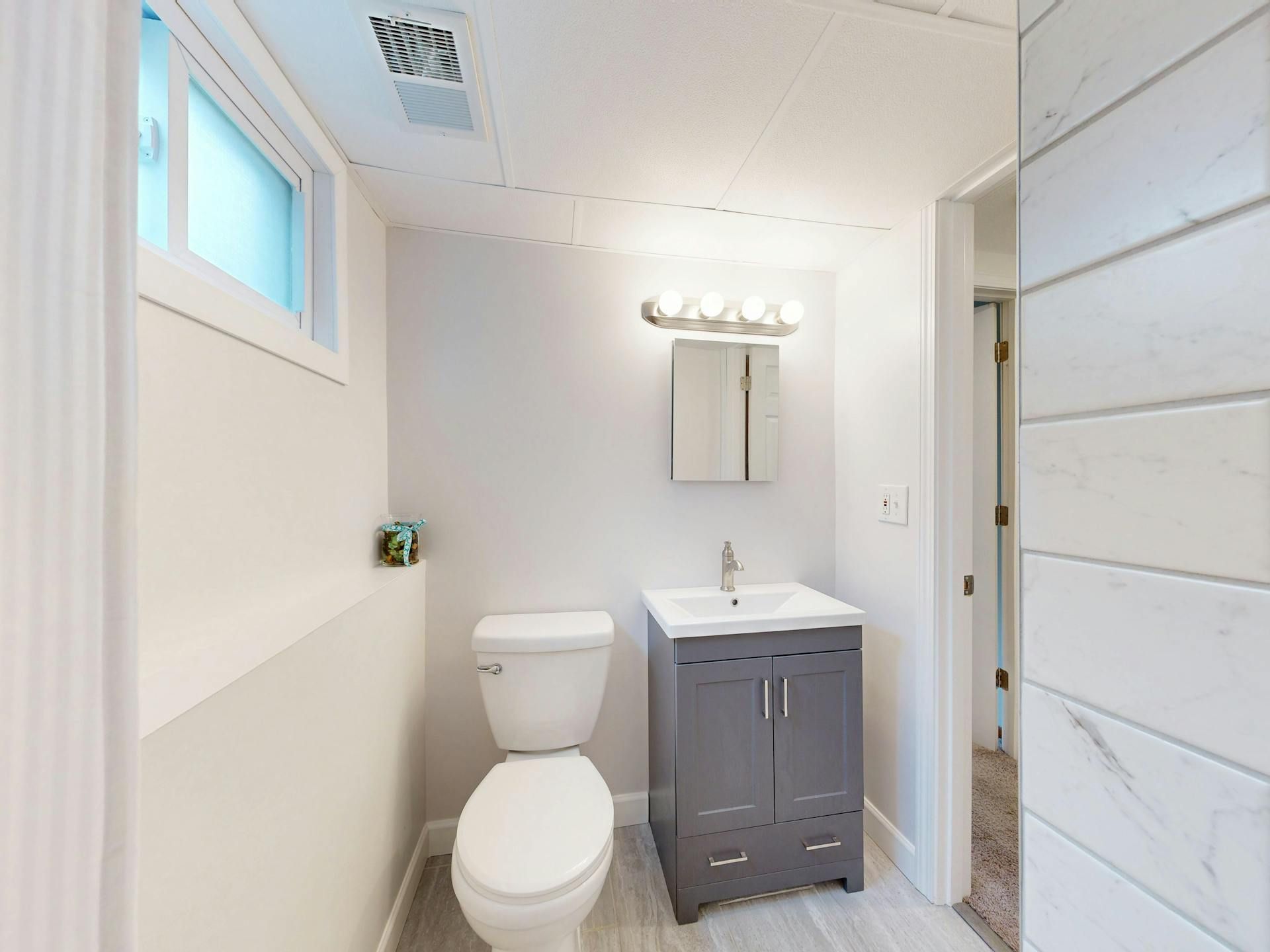
Stretch Every Inch: Smarter Small Bath Remodels
A bathroom remodel for a small space does not have to start with tearing out walls. You can get better storage, smoother traffic, and a cleaner look by making smarter choices with what you already have. The key is planning around cost first, then picking the upgrades that give you the most comfort and value per dollar.
In this guide, we will walk through how we think about budget tiers, layout tweaks, space-saving fixtures, and finishes that visually open up a tight room. We will also touch on Maryland permits and plumbing rules that still apply even when walls stay in place, so there are fewer surprises once work begins.
Start with the Numbers: Budget Tiers That Make Sense
When you plan a bathroom remodel for a small space, it helps to think in budget tiers instead of random wish lists. That way, you match your goals to a realistic scope before choosing fixtures and finishes.
A simple way to think about it is:
- Refresh tier: Keep the same layout and fixture locations, update finishes like paint, vanity, lighting, and hardware.
- Mid-range upgrade: New vanity and top, new toilet, updated tub or shower area, tile changes, and better lighting, still mostly in the same spots.
- High-end small luxury: Higher-grade tile and fixtures, custom storage, glass shower, more detailed lighting plan, and select plumbing or electrical changes.
In every tier, we suggest this order of priorities:
- First, handle function: moisture control, fan or venting, safe electrical, and sound plumbing.
- Second, update what you touch and see daily: vanity, countertop, faucet, shower surface, toilet, and lighting.
- Third, add comfort features: upgraded glass, nicer tile patterns, built-in niches, and hardware finishes.
Homeowners often forget a few budget items that can show up once work starts, even in a small space:
- Disposal of old fixtures and debris
- Minor subfloor or drywall repairs from past leaks
- Hidden mold behind tile or around the tub
- Code-driven updates to outlets, fans, or plumbing parts
Planning for these from the start keeps your cost-first strategy honest and reduces mid-project stress.
Layout Tweaks Without Moving Walls
You do not have to move walls to change how a small bathroom feels. Small layout tweaks inside the same footprint can clear up traffic flow and make the room feel calmer.
We look closely at:
- Door swing and clearance: A standard swing door can block a toilet or vanity. Swapping to a pocket door or a barn-style door on the outside of the wall can free up precious inches.
- Fixture alignment: Sometimes rotating a toilet or shifting a vanity by a few inches improves how two people use the room at the same time.
- Corner fixtures: A corner sink or corner shower can open up the middle of the room.
Even with a “no wall expansion” plan, parts of walls or floors still need to be opened for access. This might be to adjust plumbing lines, reinforce framing for new wall-hung fixtures, or rerun electrical for updated lighting. These steps matter because they can impact:
- How long the project takes
- When inspections are needed
- How a licensed Maryland contractor plans labor and scheduling
Knowing that “no new walls” does not always mean “no wall work” helps set realistic expectations.
Space-Saving Upgrades That Feel Like a Bigger Bathroom
Smart fixture choices can make a bathroom remodel for a small space feel much larger without adding a single square foot.
Wall-hung vanities and toilets are popular for tight rooms. By lifting fixtures off the floor, you:
- Expose more visible floor space, which makes the room feel bigger
- Make cleaning easier around and under fixtures
- Create a lighter, more modern look
Recessed storage is another powerful trick. Instead of bulky cabinets that stick out, we often look for space between studs for:
- Shower niches for shampoo and soap
- Recessed medicine cabinets over the sink
- Slim shelving over the toilet
Placement is important so that water does not hit a niche head-on and so doors and mirrors do not bump into each other.
Glass and hardware choices also affect how “big” the room feels. For example:
- Frameless or low-frame shower doors keep sightlines open
- Clear glass helps the shower feel like part of the room instead of a solid block
- Slim-profile faucets, towel bars, and hooks reduce visual clutter
- Matching finishes tie the room together so your eye is not jumping from one shiny object to another
Light, Color, and Surfaces That Stretch the Room
Light and color play a huge role in how you experience a small bathroom. Good lighting is not just a pretty extra; it is a daily comfort issue.
We usually plan for layered lighting:
- Ambient: ceiling lights or LED recessed lights to fill the room evenly
- Task: vanity sconces or mirrors with lights for grooming
- Accent: in-shower lighting or a small feature light to highlight tile or niches
On the color side, lighter tones help walls recede visually. Soft whites, warm grays, and light beige tiles work well in a bathroom remodel for a small space. A few tips we often share:
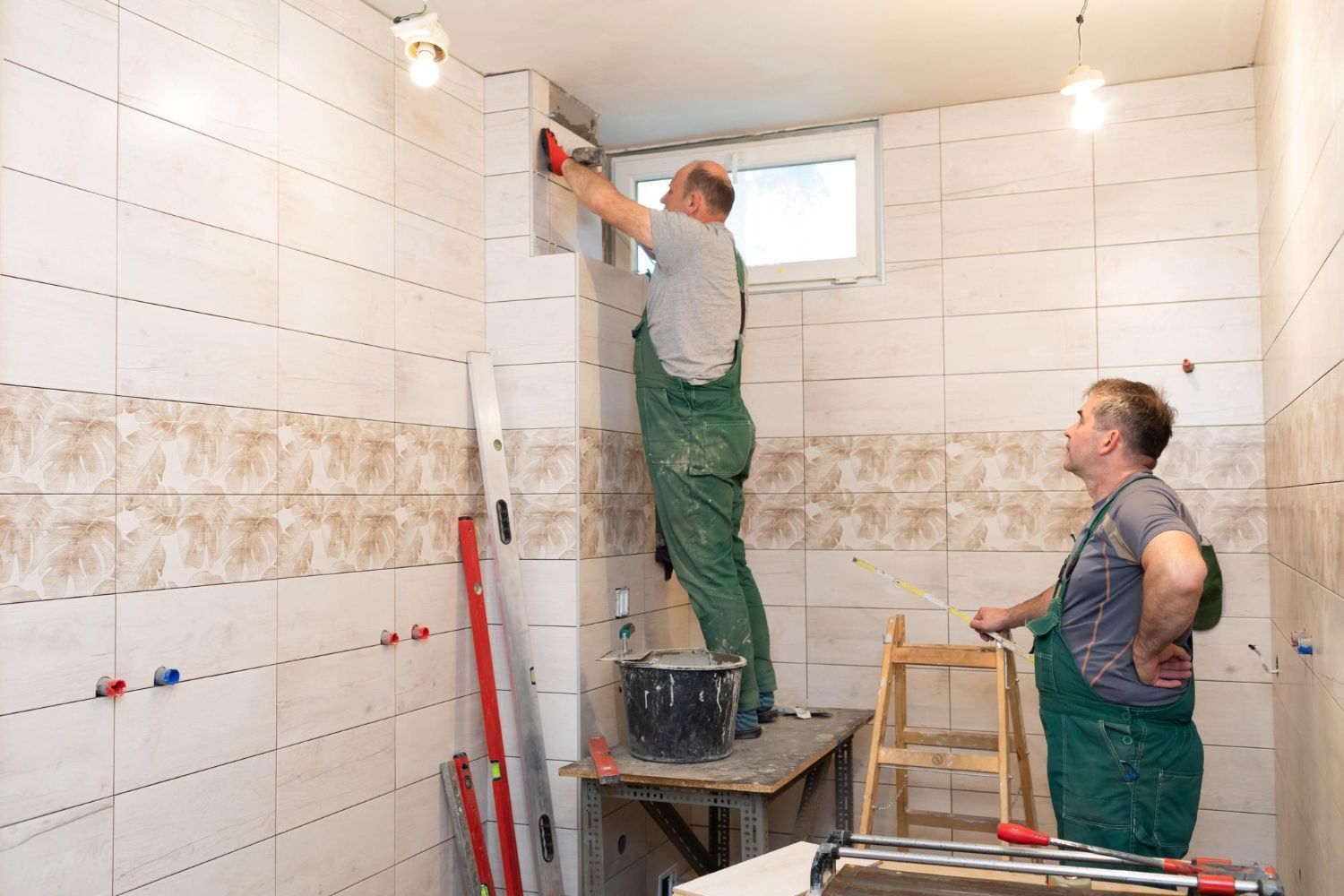
- Larger tiles with tight grout lines can make floors and walls feel more open
- Vertical patterns or stacked tiles can make walls seem taller
- Reflective surfaces, like polished tile and well-placed mirrors, bounce light around
Maryland homes deal with year-round humidity swings, so materials need to hold up. We pay attention to:
- Humidity-resistant paint in the right sheen for bathroom walls and ceilings
- Slip-resistant floor tile, especially near showers and tubs
- Quality grout and sealants that handle daily moisture and are easier to keep clean
These choices may not be flashy, but they help your new bathroom stay looking fresh much longer.
Permits, Plumbing, and Code: What Still Triggers Rules
Even when the footprint of the bathroom stays exactly the same, some upgrades still fall under local rules. In Maryland, many “no wall expansion” projects still need permits if they touch certain systems.
Common triggers include:
- Changing plumbing locations, like moving a toilet or shower drain
- Adding or updating electrical circuits for lights, fans, or outlets
- Installing or upgrading ventilation fans that vent to the outside
- Changing the size or type of a window
There is a big difference between a purely cosmetic update, where fixtures stay in their original spots, and a project that changes how plumbing vents, drains, or electrical load are handled. Swapping a faucet in the same location usually stays simple. Moving a shower, raising drains for a tiled shower floor, or reconfiguring lighting can raise code questions.
Working with a licensed, insured contractor who understands Maryland codes helps cut down on surprise inspections, failed sign-offs, and costly rework. It also keeps your bathroom safer and more comfortable for everyday use.
Turn Your Small Bathroom Plan Into a Maryland-Ready Project
When you are planning a bathroom remodel for a small space, start by picking your budget tier and writing down your must-haves and nice-to-haves. Then match those lists to the space-saving ideas above: layout tweaks, wall-hung fixtures, recessed storage, lighting, and finishes that brighten and open the room.
From there, create a simple checklist that covers storage needs, lighting upgrades, ventilation, and any likely plumbing or electrical changes. Bringing that list to a professional helps turn your small, tight bath into an efficient, high-value space that fits Maryland rules and works better every single day.
Transform Your Small Bathroom Into a Space You Love
If you are ready to make every inch count, our team at Bathroom Remodeling of Maryland, Inc. can help you plan a smart and stylish
bathroom remodel for a small space. We focus on practical layouts, storage solutions, and finishes that fit your home and budget. Tell us about your project goals and timeline, and we will walk you through clear options and next steps. To schedule a consultation or ask questions, simply
contact us today.