Guide to Choosing Durable Materials for Bathrooms in Maryland
When people talk about having a bathroom that holds up over time, they usually end up asking the same question: what materials are going to last? That’s a fair concern. Water, humidity, soap scum, and wear from daily routines can wear things down faster than expected. The surfaces and finishes in a bathroom need to do more than look good. They need to stand up to real use day in and day out.
In our work with bathroom remodeling in Maryland, we’ve seen all kinds of material choices, some that work well and others that just don’t hold up. It is not about picking the most expensive option. It is about picking what is going to fit each household’s use and still hold up five or ten years down the line. Let’s look at what really matters when choosing durable materials for bathrooms!
Choosing Surfaces That Don’t Wear Out Too Fast
The surfaces we touch every day, such as counters, walls, and floors, need to hold their shape, finish, and color for years. We have seen enough projects to know which materials work well for that and which do not.
- Natural surfaces like marble or granite look high-end, but they often stain or chip if not sealed properly. They need more care and may not be the best fit for a busy family bathroom.
- Manmade surfaces like quartz or solid surface materials are usually better at resisting scratches, spills, and heat. They are easier to clean, too, which matters when people are moving quickly through their morning routines.
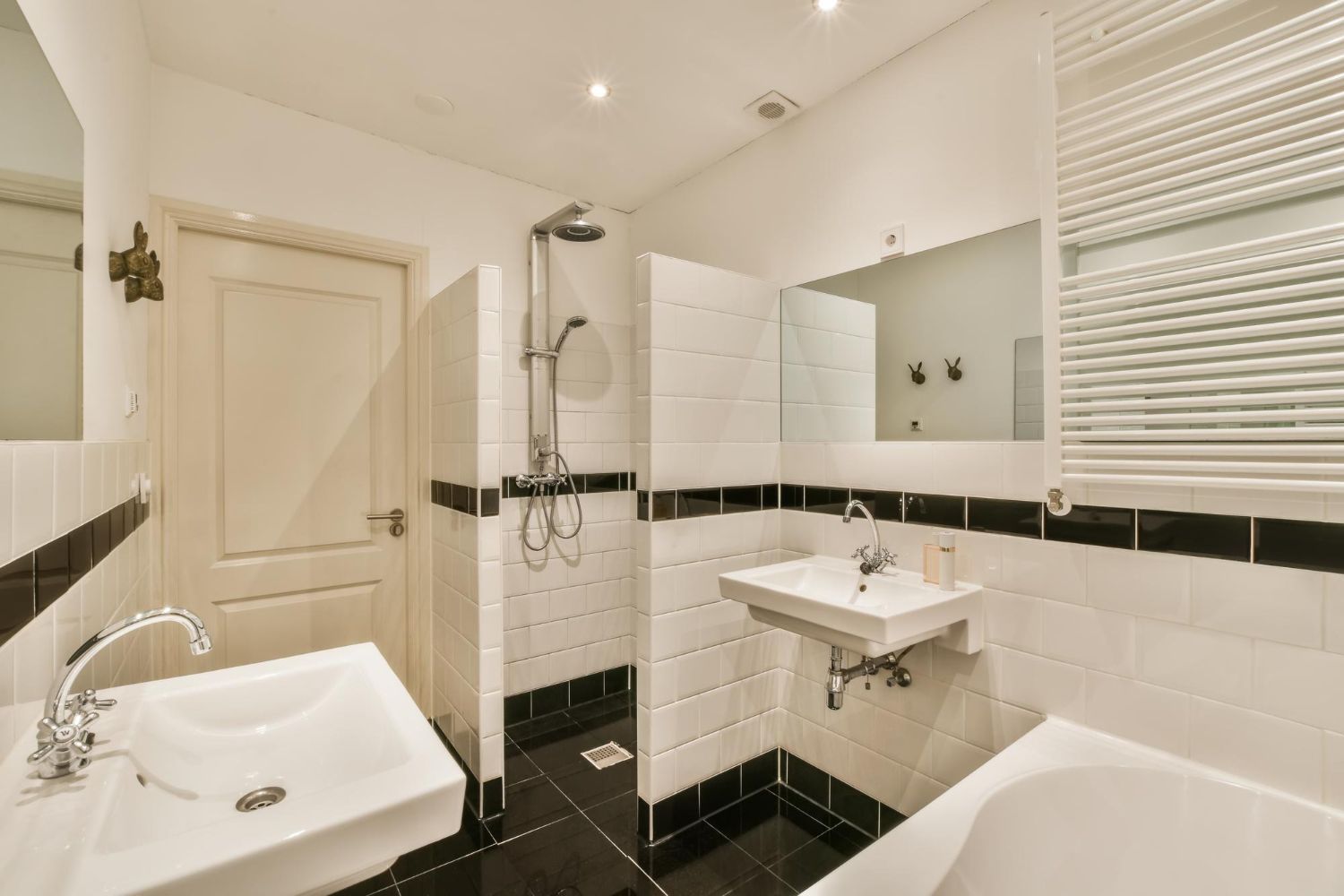
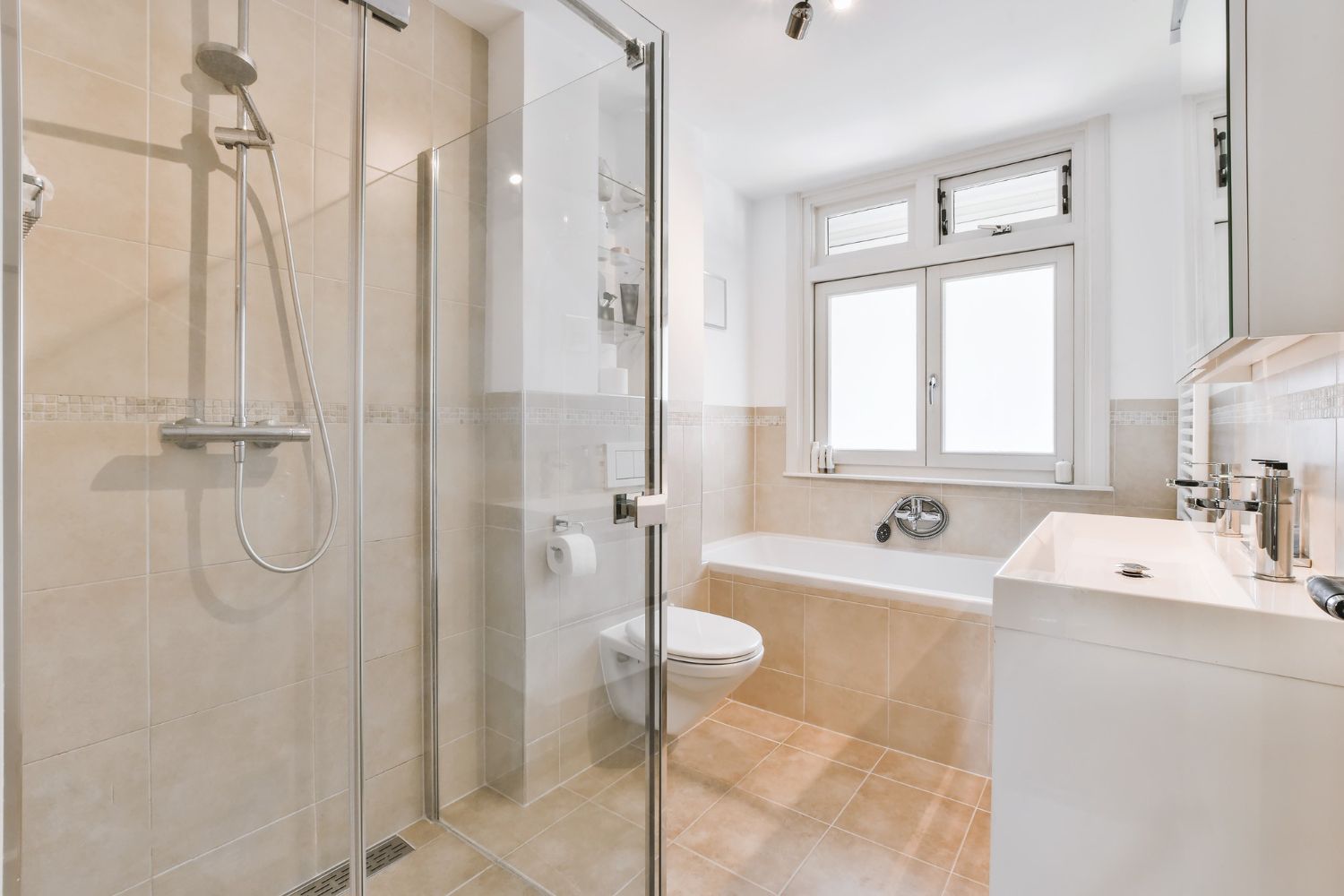
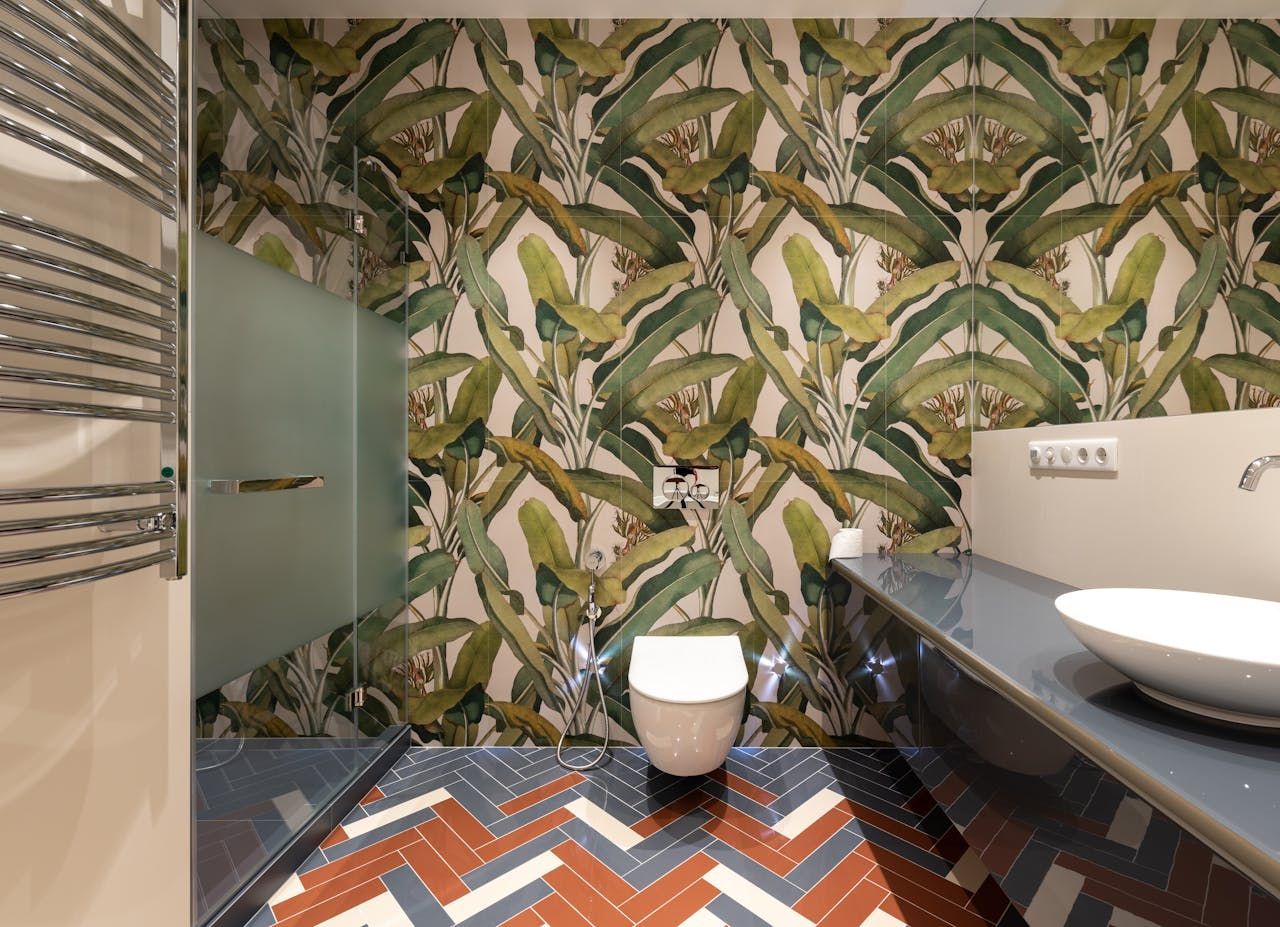
- For flooring and walls, large-format tiles have grown in popularity, and for good reason. The fewer grout lines you have, the fewer places there are for dirt or mold to form. These tiles also give a smooth, modern look that works well in smaller bathrooms.
- Texture also matters. Smooth finishes reflect light and feel clean, but some traction is helpful on floors to prevent slipping. Matte or honed tiles give just enough grip without feeling rough underfoot.
Durability starts with material choice, but how those materials are used and installed makes a big difference as well. Choosing materials is one step, but proper installation and care give them the best chance to last.
Moisture-Resistant Materials That Make Life Easier
Bathrooms are always dealing with moisture. Every shower or bath releases steam, and even something as simple as brushing teeth can cause splashes that wear on surfaces over time. Bad choices here lead to peeling, warping, or straight-up replacement way too soon. Picking the wrong materials for wet areas makes everyday cleaning much more difficult.
- Wood cabinets and trim can work, but they need to be sealed. Otherwise, they start swelling or cracking in humid spaces. Laminate might seem like a good budget option, but it tends to bubble or peel if water seeps into the edges.
- Vinyl flooring may promise water resistance, but poorly sealed seams or weak adhesives almost always lead to problems. We often recommend going with porcelain or ceramic tiles instead, especially in homes where ventilation is not ideal.
- Non-porous materials like acrylic panels or pre-sealed grout mixtures are smart upgrades. They do not absorb water the way unsealed grout or stone can. That means less mold, easier scrubbing, and a longer-lasting surface.
- Behind the scenes, moisture barriers like cement board or waterproof membranes help everything stay in good shape. It is one of those hidden details that saves headaches later on.
Moisture does not just sit on the surface. If materials cannot handle it, they quietly break down over time. That is why we always take it seriously when helping people choose what works. Thinking about where water goes or sits makes a big difference in how everything holds up.
Fixtures That Don’t Quit After a Few Years
Bathroom fixtures, including faucets, showerheads, and towel bars, get used a lot more than we think. It adds up fast. Pick the wrong materials, and that daily use starts to show quickly.
- Fixtures that are all metal (not just coated plastic) tend to last longer. They feel solid and do not wiggle loose as easily over time.
- Finishes matter. Brushed nickel and matte black stand up better to water spots, fingerprints, and tiny scratches than shiny chrome. They do not peel or flake if cleaned properly.
- Easy-to-clean designs are helpful, too. Streamlined shapes without knobs or tight corners stop gunk from building up. No one wants to scrub around faucet bases every other day.
- Inside those fixtures, ceramic disc valves usually outlast rubber seals or older cartridge styles. It is something many people never notice until they start seeing drips.
Long-lasting fixtures do not just look better. They make using the bathroom easier and more comfortable without a lot of maintenance. Simple upgrades like quality shut-off valves or solid towel bars help the bathroom hold up through busy days.
Cabinetry and Storage That Stands Up to Use
Cabinets take a daily beating. They are opened, slammed, leaned on, and sometimes soaked when things get too steamy. That is why long-term performance depends on more than what is visible on the outside.
- Solid wood is strong, but only if it is sealed. Plywood is a practical middle-ground material that holds its shape well and resists water better than pressed wood or MDF.
- Painted or laminate surfaces on cabinets need to resist peeling. Once edges start lifting, it is almost impossible to hide or fix.
- Hinges, slides, and joints matter, too. Soft-close hardware not only feels better but holds up better, since it reduces pressure and banging.
- Pulls and knobs should be rust-resistant and solid. Nothing feels worse than something coming loose after a year of use.
Storage in bathrooms should not feel delicate. With the right base materials, cabinets stay looking neat and working smoothly through daily routines and busy mornings. Cabinets that are built well on the inside and finished properly on the outside prevent small problems from turning into big repairs.
Real-Life Factors to Weigh Before You Choose
Every household is different, and the materials that work in one bathroom might wear out quickly in another. That is why durable choices need to match real-life use.
- Kids tend to spill water everywhere. So do pets during bath time. Slippery tiles, thin finishes, or unprotected cabinets often do not last long in those situations.
- Older homes may have less airflow or older insulation, which impacts how long certain materials stay in good shape.
- It is easy to prioritize looks when picking features, but function should always come first. Will the tile crack if something heavy drops on it? Will the vanity stain if hair dye gets on it? These are the real questions to ask.
Letting style guide your choices is fine, as long as the materials can back it up by handling what your bathroom goes through every week. Thinking about how you and your family use the space every day makes a huge difference in how long your investment lasts.
Long-Term Comfort Starts With Smart Choices
The best bathroom update does not just look nice right after installation. It continues to work well, stay clean, and feel good to spend time in, without showing early signs of wear. Choosing durable materials is the best way to make that happen.
When we help with bathroom remodeling, we always come back to this: how do you use your space, and how can your choices make daily life a little smoother? Strong materials save you time, cut down on repeat fixes, and give the room a solid feel that lasts.
At Bathroom Remodeling Of Maryland, Inc., we understand how much attention goes into choosing materials that truly last in areas like Gaithersburg, Maryland. From cabinets to tile, selecting the right products shapes how well your bathroom stands up to daily life. Whether you are planning a full renovation or simply updating worn features, understanding the genuine differences between product options is crucial. To explore what really matters with
bathroom remodeling in Maryland, contact us to start a conversation about your space.